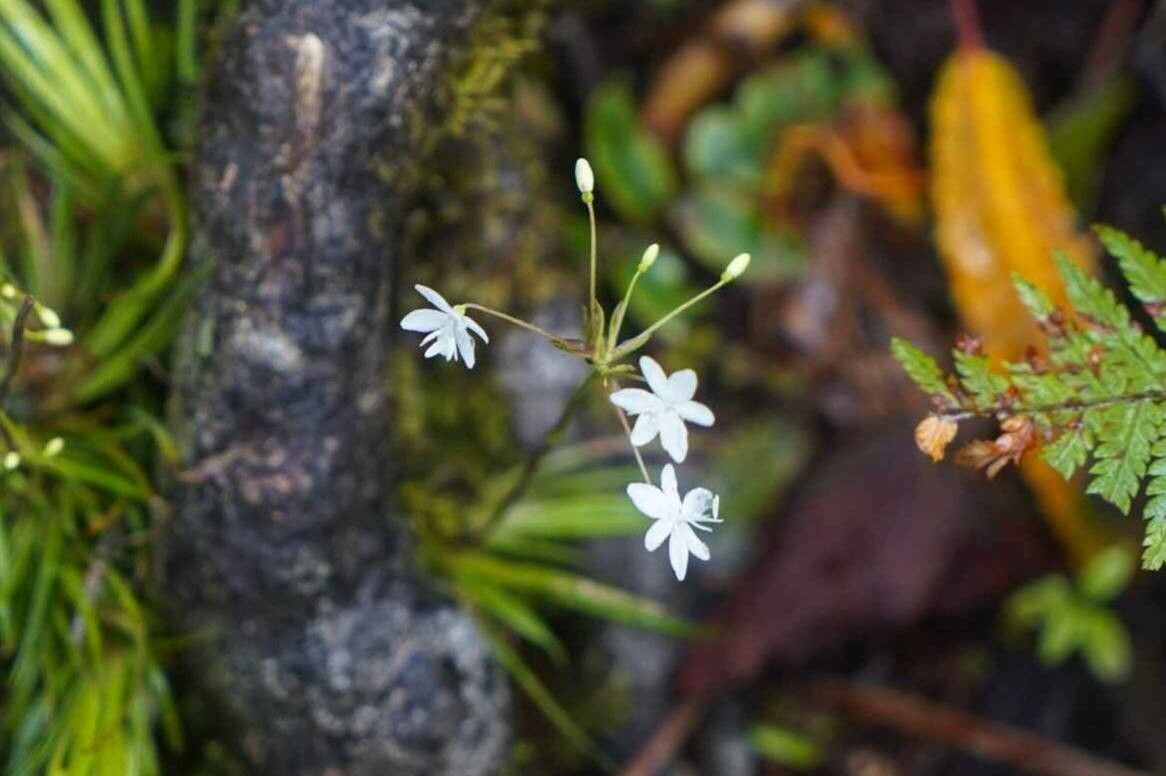
Oh, hello there! Grab a mug of your favorite brew, and let’s chat about one of my garden gems: Libertia micrantha. If you’re a fan of those elegant, sword-like leaves and the pops of starry white flowers that seem to shimmer in the breeze, you’re in for a treat. Propagating these beauties is a wonderful way to fill your garden with more of that understated charm, or to share them with fellow plant lovers. And the best part? It’s surprisingly doable! Don’t let the fancy Latin name fool you; Libertia micrantha is quite forgiving, even for those of us just starting our green-thumb journey.
The Best Time to Start
For the highest chance of success with your Libertia micrantha, think about new growth. The perfect window is late spring to early summer, right after the plant has finished its main flowering push. This is when the plant is actively producing energy and ready to put it into making new roots. Waiting until the plant is well into growing mode means you’re working with a strong, healthy specimen, setting you up for success.
Supplies You’ll Need
Before we get our hands dirty, let’s gather our trusty tools. You won’t need much, but having the right things on hand makes all the difference:
- Sharp secateurs or a clean knife: For clean cuts and minimal damage.
- Small pots or trays: Whatever you have that can hold soil and a new plant. Make sure they have drainage holes!
- Well-draining potting mix: A good general-purpose potting soil, or you can mix in some perlite or grit for extra drainage.
- Rooting hormone (optional but recommended): This isn’t essential for Libertia, but it can give your cuttings a helpful boost.
- Watering can or spray bottle: For gentle watering.
- A shady spot or propagation dome: To keep things humid and protected.
Propagation Methods
Libertia micrantha is wonderfully amenable to division, which is my go-to method. It’s like giving your plant a little haircut and getting plenty of new babies in return!
Division: The Superstar Method
- Gently excavate: First, dig around the base of your established Libertia. You want to lift the whole clump out of the soil carefully.
- Shake it out: Gently shake off as much soil as you can. You’ll start to see the interconnected root system and the individual plantlets.
- Tease and pull: This is where the magic happens. Using your hands or a couple of forks, gently pull the clump apart. You’re looking for sections that have both roots and shoots. Don’t force it; if it feels too tough, use your knife to make a clean cut through thicker roots.
- Select your divisions: Aim for sections that are at least a few inches across and have a decent root system. Remove any old, damaged leaves.
- Pot them up: Plant each division into its own small pot, using your well-draining potting mix. Water them in gently.
The “Secret Sauce” (Pro Tips)
Now, for a couple of little tricks I’ve learned over the years that can really help your efforts:
- Don’t over-pot: Resist the urge to put a tiny division into a huge pot. This can lead to the soil staying too wet, which is the enemy of delicate new roots. Smaller pots mean the roots fill them up faster, encouraging them to grow.
- Mimic nature: Think about where you find new plants sprouting in your garden – usually in dappled shade and with some protection. Recreate this by placing your newly potted divisions in a spot that gets bright, indirect light, not harsh, direct sun, especially when they’re first establishing.
Aftercare & Troubleshooting
Once your Libertia divisions are potted, the real nurturing begins. Keep their soil consistently moist but not waterlogged. Check them every day or two – you want them to feel slightly damp, like a wrung-out sponge. If they feel dry, give them a gentle watering.
The biggest sign of trouble you’ll see is rot. If you notice leaves turning mushy or wilting dramatically despite the soil being moist, it’s a sign of too much water. In this case, you might need to gently lift the plant, trim off any rotted parts with clean shears, and replant it in drier soil. Patience is key here; new growth might take a few weeks to appear. Don’t panic if you don’t see dramatic changes immediately.
A Encouraging Closing
See? It’s really quite straightforward. Propagating Libertia micrantha is a lovely way to connect with your plants and expand their presence in your garden. Be patient with your new seedlings, celebrate every tiny bit of new growth, and most importantly, enjoy the rewarding journey of nurturing life! Happy gardening!
Resource:
https://identify.plantnet.org/k-world-flora/species/Libertia%20micrantha%20A.Cunn./data