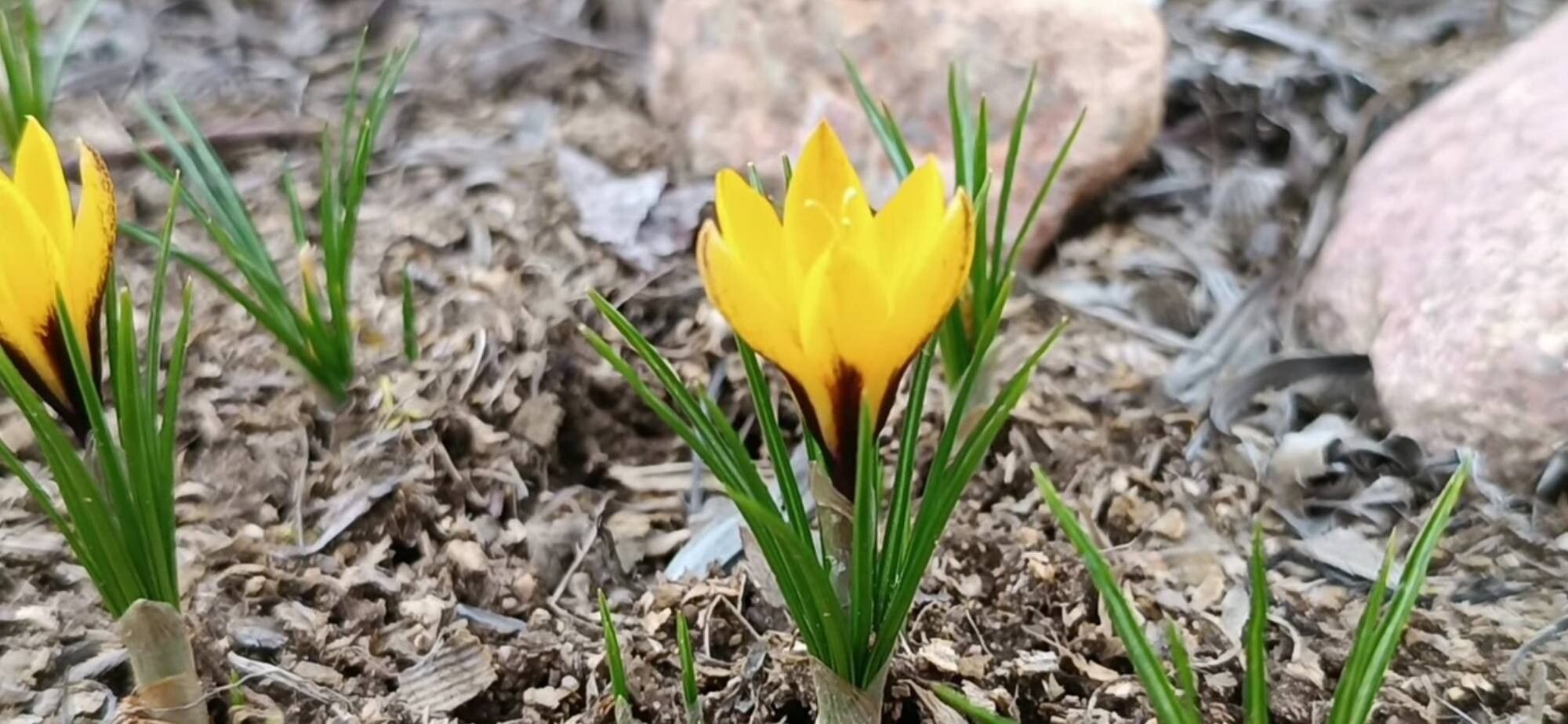
Oh, Crocus korolkowii! Those cheerful little blossoms, often the very first pops of color to emerge from the sleepy earth, are such a joy. For me, coaxing new life from these precious bulbs is one of gardening’s quiet triumphs. It’s a way to multiply your springtime delight without spending a dime. And the best part? Propagating Crocus korolkowii is actually quite forgiving. Even if you’re just dipping your toes into the world of plant reproduction, you’ll likely find success here.
The Best Time to Start
The trick with Crocus korolkowii is to work with them when they’re resting. Think late summer or early autumn. After their foliage has completely yellowed and died back, the bulbs are storing up energy for their next big show. This is the perfect window to gently divide them or collect their offsets. Trying to do this while they’re actively growing or flowering will stress them out, and we don’t want that!
Supplies You’ll Need
Gathering your tools beforehand makes the whole process smoother. Here’s what you’ll want on hand:
- A clean trowel or sturdy dibber: For gently lifting and separating.
- Sharp, clean pruning shears or a trowel: To cut through any tough root connections if needed.
- Well-draining potting mix: Something like a cactus mix or a blend of regular potting soil with perlite and sand works beautifully.
- A small brush: To gently dust off excess soil from the bulbs.
- Mesh bags or clean, dry paper bags: For storing bulbs that aren’t ready for immediate planting.
- Labels and a marker: To keep track of what you’ve propagated and when.
Propagation Methods
Lucky for us, Crocus korolkowii is primarily propagated through division. It’s wonderfully straightforward!
- Locate the Bulbs: After the foliage has faded, carefully dig around the area where your crocuses are growing. Use your trowel to gently loosen the soil and lift the bulbs. You might find a cluster of them together, along with what looks like smaller bulblets or “offsets” attached.
- Gently Separate: This is where the magic happens. If you find offsets, they should separate from the main bulb with a gentle tug. If they seem a bit tightly attached, use your clean pruning shears to snip the connecting point cleanly. You want to ensure each offset has a bit of its own root structure, if possible. For larger clumps, you can gently pull them apart. If there’s significant resistance, a clean knife or trowel can help.
- Inspect and Dry Slightly: Take a moment to look over your new bulbs and offsets. Make sure there are no signs of rot or disease – they should be firm and plump. You can let them air dry for a few hours in a shady spot. This helps any cut surfaces callus over, reducing the risk of rot when replanted.
The “Secret Sauce” (Pro Tips)
Over the years, I’ve picked up a few tricks that make a difference.
- The “Don’t Rush It” Rule: Resist the urge to replant everything immediately if you’re not ready. Store the separated bulbs in those mesh or paper bags in a cool, dry, dark place until you are. They can happily wait for a few weeks, giving you time to prepare their new homes.
- Mimic Native Conditions: Crocus korolkowii hails from dry, rocky areas. That’s why a free-draining soil is absolutely critical. If your soil is heavy, amend it generously. A bulb that sits in water is a bulb destined for trouble.
- Planting Depth is Key: When you do replant your new bulbs, aim for a depth of about 2-3 times the height of the bulb. This gives them good stability and protection from temperature fluctuations.
Aftercare & Troubleshooting
Once you’ve got your new Crocus korolkowii bulbs tucked into their well-draining soil, give them a light watering. Then, let nature take its course. They don’t need much fussing. The biggest thing to watch out for is rot. If you notice any bulbs becoming soft, mushy, or developing black spots, it’s a sign of too much moisture. Unfortunately, once rot sets in, it’s hard to save them. This is why avoiding overwatering and ensuring excellent drainage is paramount. You’re looking for healthy, firm bulbs that will be ready to send up their shoots when the weather cools again.
A Encouraging Closing
Gardening is a journey, and propagating plants like Crocus korolkowii is a beautiful way to grow with it. Be patient, observe your little bulbs, and celebrate every new shoot that emerges. You’re creating more beauty, one tiny bulb at a time. Happy gardening!
Resource:
https://identify.plantnet.org/k-world-flora/species/Crocus%20korolkowii%20Maw%20&%20Regel/data