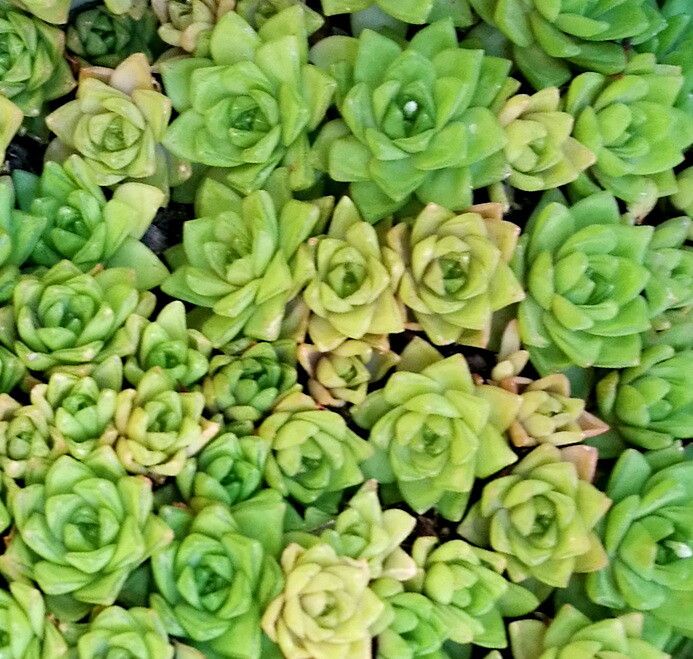
Oh, Haworthia cymbiformis! If you’ve ever admired those charming little succulents, with their plump, almost jelly-like leaves, you’re not alone. They bring such a wonderful touch of architectural beauty to any windowsill or desk. And guess what? Propagating them is incredibly rewarding, and surprisingly easy, even for those just dipping their toes into the world of plant parenthood. It’s a fantastic way to multiply your collection or share these little gems with friends.
When Does This Little Gem Like to Get Started?
For Haworthia cymbiformis, the best time to get growing is during their active growing season. Generally, this means spring and early summer. You’ll see them putting on new growth, and they’re much more receptive to taking root then. Trying to propagate in the middle of their dormancy (usually winter) will likely lead to disappointment.
What Do You Need to Get Your Hands Dirty?
It’s not much, really! Here’s a quick rundown of what you’ll want on hand:
- A sharp, clean knife or pruning shears: For making those crucial cuts. Sterilize them with rubbing alcohol between uses.
- Well-draining potting mix: This is key! A succulent or cactus mix is perfect. You can also make your own by mixing potting soil with perlite or pumice (about a 50/50 ratio).
- Small pots or containers: Whatever you have will do, as long as they have drainage holes.
- Optional: Rooting hormone: While not strictly necessary for Haworthia, it can give your cuttings a little boost.
- Optional: A spray bottle: For light misting.
Let’s Get Propagating! The Easy Ways
Haworthia cymbiformis are wonderfully adaptable, and there are a couple of go-to methods that work like a charm.
Offsets (Pups): The Easiest Path
This is where you’ll have the most success and the quickest results. Haworthias often produce “pups” or offsets around their base.
- Gently remove the parent plant from its pot.
- Carefully loosen the soil around the base of the pups.
- Using your clean knife or shears, gently separate a pup from the mother plant. Make sure it has a few roots attached, if possible. If not, don’t worry too much, it will grow them.
- Allow the cut end to callus over for a day or two. This prevents rot.
- Pot the pup in its own small pot with your well-draining mix.
- Wait a week or so before watering lightly.
Leaf Cuttings: A Bit More Patience Needed
This method is a little trickier and requires more patience, but it’s satisfying when it works!
- Select a healthy, mature leaf from the parent plant.
- With a clean, sharp knife, twist or cut the leaf off cleanly at the base, ensuring you get as much of the leaf base as possible.
- Lay the leaf cutting on top of, or slightly pressed into, your succulent potting mix.
- Do NOT bury the leaf. Just let it sit on the surface.
- Wait and watch! You might see tiny roots or a new plantlet emerge from the cut end over several weeks or even months.
The “Secret Sauce”: My Insider Tips
Here are a few things I’ve learned over the years that can really make a difference:
- Give those pups some air! When you pot up offsets, don’t pack the soil in too tightly. A bit of looseness allows for good air circulation, which is crucial for preventing rot.
- Resist the urge to water immediately. After potting up your cuttings (whether offsets or leaves), let them be for at least a week. This gives any tiny wounds time to heal and prevents moisture from inviting rot.
What Happens Next? Care and What to Watch For
Once your Haworthia babies have started showing roots or a new plantlet, it’s time for a little tender loving care.
- Water sparingly: Water only when the soil is completely dry. It’s better to underwater than overwater with succulents. You can test this by sticking your finger about an inch into the soil.
- Bright, indirect light: Place your new plants in a location that receives plenty of bright light but avoid direct, harsh sun, especially in the afternoon.
- Watch for rot: This is the big one. If your cutting turns mushy, black, or smells unpleasant, it’s likely rotted. Unfortunately, there’s usually no coming back from this. Ensure good drainage and don’t overwater.
- Slow growth is normal: Don’t expect rapid growth. Haworthias are slow growers, so be patient and celebrate the small signs of progress!
Your Green Thumb Awaits!
Propagating Haworthia cymbiformis is a delightful journey. It’s a wonderful way to connect with your plants and expand your collection. Don’t be discouraged if your first attempt isn’t perfect. Every gardener learns through doing, and with a little patience and these tips, you’ll be a Haworthia pro in no time. Happy propagating!
Resource:
https://identify.plantnet.org/k-world-flora/species/Haworthia%20cymbiformis%20(Haw.)%20Duval/data