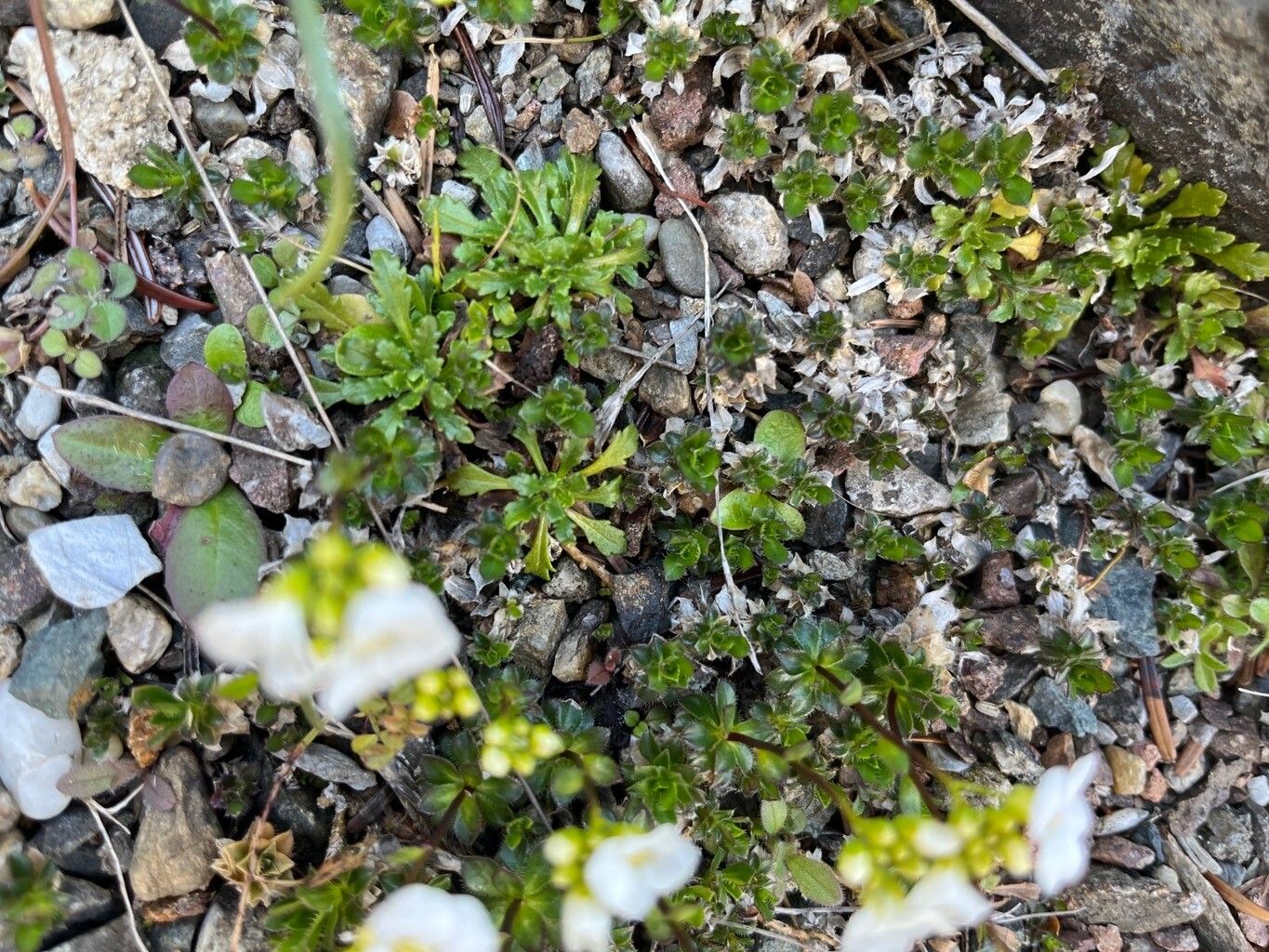
Hello there, fellow plant enthusiasts! I’m so glad you’ve found your way to my little corner of the internet. Today, we’re diving into the delightful world of Arabis scopoliana, also known as Caucasus Rock Cress. If you’re looking for a low-growing, mat-forming perennial that absolutely shines with delicate white blooms spilling over rockeries and garden edges, this is your gal!
Propagating your own Arabis scopoliana is incredibly rewarding. There’s a special kind of joy in watching a tiny snipping transform into a whole new plant, ready to grace your garden. And the good news? For those of you just starting your gardening journey, this lovely plant is quite forgiving. You’ll likely have a lot of success!
The Best Time to Start
For the highest germination rates and strongest growth, I always aim to take cuttings in late spring or early summer. This is when the plant is actively growing and has plenty of lush, healthy new stems to work with. You can also try this in early autumn, but spring cuttings generally establish more reliably.
Supplies You’ll Need
Get your workspace ready! Here’s what you’ll want to have on hand:
- Sharp pruning shears or a clean, sharp knife: For making neat cuts.
- Rooting hormone (optional but recommended): A little powdered help goes a long way.
- Small pots or seed trays: With good drainage holes, of course!
- Well-draining potting mix: I like a blend of peat moss, perlite, and coarse sand – about a 1:1:1 ratio works wonders.
- A spray bottle: For misting.
- A clear plastic bag or propagator lid: To create a humid environment.
Propagation Methods
We’ll focus on the simplest and most effective method for Arabis scopoliana: stem cuttings.
- Select Your Cuttings: Gently look over your established Arabis scopoliana plant. You’re looking for healthy, non-flowering stems that are about 3-4 inches long. They should be flexible, not woody.
- Make the Cut: Using your sharp shears or knife, make a clean cut just below a leaf node. A leaf node is that little bump where a leaf emerges from the stem. This is where the magic happens for rooting.
- Prepare the Cuttings: Carefully remove the lower leaves from your cuttings. You want to leave just a couple of sets of leaves at the very top. This prevents rot and helps the cutting conserve energy for root development.
- Apply Rooting Hormone (Optional): If you’re using rooting hormone, gently dip the cut end of each stem into the powder. Tap off any excess.
- Plant Your Cuttings: Fill your pots or trays with your prepared potting mix. Make a small hole in the center with your finger or a pencil. Carefully insert the cut end of the stem about an inch deep. Gently firm the soil around it.
- Water Gently: Water the soil thoroughly but gently. You don’t want to dislodge your precious cuttings.
The “Secret Sauce” (Pro Tips)
Here are a couple of little tricks I’ve learned over the years that really help:
- Give Them Space! When planting multiple cuttings in one pot or tray, don’t overcrowd them. Give each cutting enough room to breathe and for the roots to spread. This also helps prevent the spread of any potential fungal issues.
- Bottom Heat is a Game Changer: If you have access to a heated propagator mat, using it can significantly speed up root development. A gentle warmth from below encourages those roots to form much faster. If you don’t have one, a warm windowsill is usually sufficient.
Aftercare & Troubleshooting
Once your cuttings are planted, it’s time for a little TLC.
- Create a Humid Environment: Cover your pots or trays with a clear plastic bag or a propagator lid. This traps moisture and creates the humid microclimate that cuttings need to thrive. Mist the cuttings lightly with your spray bottle every day or two to keep things fresh.
- Provide Bright, Indirect Light: Place your cuttings in a spot that receives bright, indirect sunlight. Avoid harsh, direct sun, as this can scorch those delicate young leaves.
- Be Patient for Roots: It can take anywhere from 3 to 6 weeks for roots to develop. You can gently tug on a cutting; if you feel resistance, it means roots are forming!
- Watch for Rot: The most common problem is rot. If you see mushy, black stems or leaves, it’s usually a sign of too much moisture and not enough air circulation. If you spot it, carefully remove the affected cutting and ensure the soil isn’t waterlogged. Improve airflow by lifting the plastic cover for a few hours each day.
A Gentle Encouraging Closing
Watching your Arabis scopoliana cuttings root and grow is such a satisfying experience. Don’t get discouraged if a few don’t make it; gardening is a journey of learning and experimentation. Be patient, enjoy the process, and soon you’ll have a whole host of new rock cress plants to share and admire! Happy propagating!
Resource:
https://identify.plantnet.org/k-world-flora/species/Arabis%20scopoliana%20Boiss./data