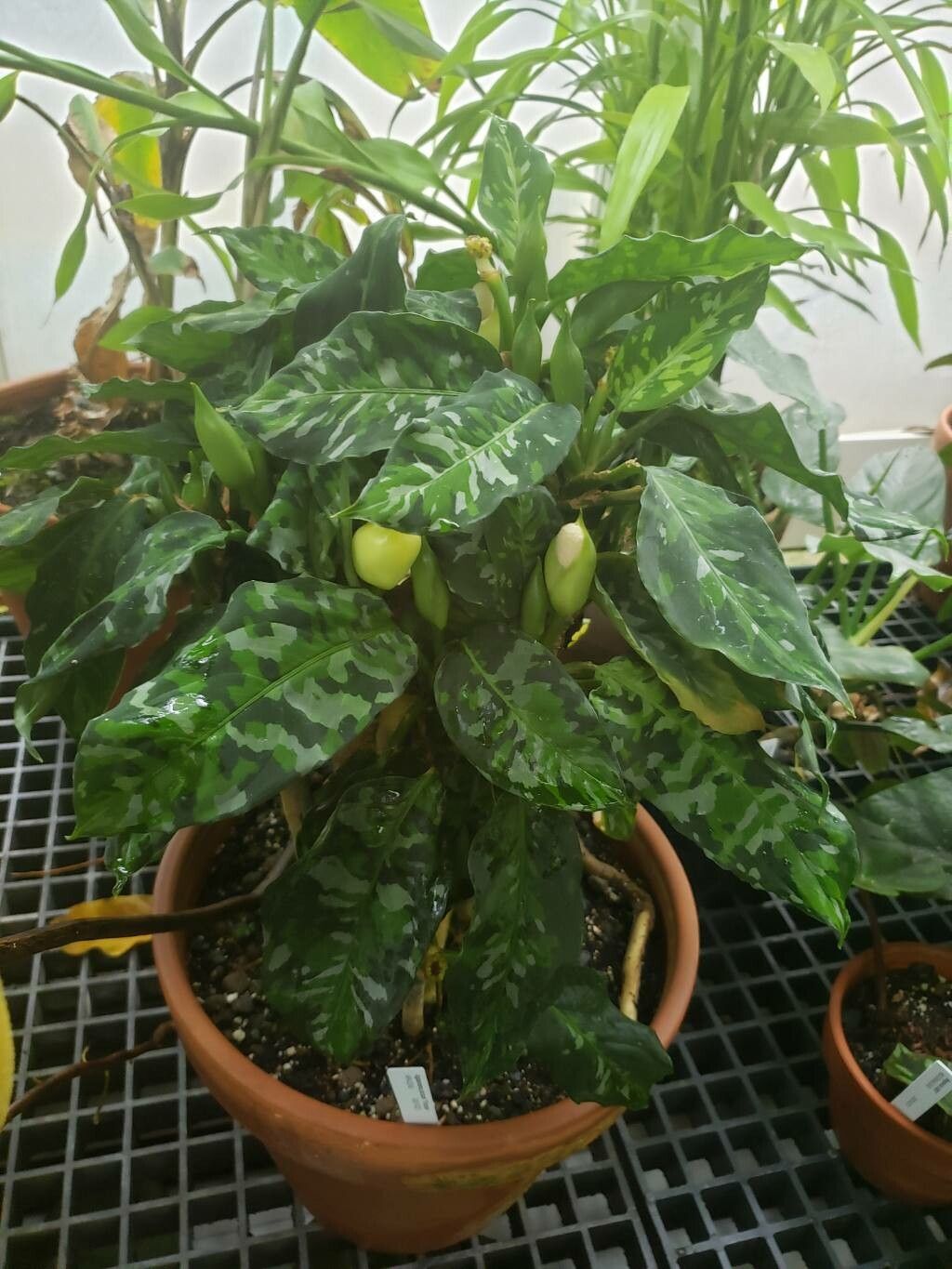
Hey there, fellow plant lovers! If you’re anything like me, your Aglaonema pictum is a little star in your indoor jungle. With its stunning, intricate patterns, it’s a real showstopper. And guess what? Getting more of these beauties doesn’t have to be complicated. In fact, propagating them is a wonderfully rewarding way to multiply your collection, and while it might seem a bit daunting at first, I promise you it’s totally achievable, even for beginners!
The Best Time to Start
My favorite time to get propagating is in the spring or early summer. This is when your Aglaonema is actively growing and has the most energy to put into developing new roots. You’ll find you get the best results when the plant is really putting on a growth spurt.
Supplies You’ll Need
Here’s what I always have on hand when I’m ready to give my Aglaonemas a little boost:
- Clean, sharp pruning shears or a knife: Crucial for making clean cuts.
- A well-draining potting mix: I love a mix that includes perlite and orchid bark to ensure good aeration. You can also use a standard houseplant mix with added perlite.
- Small pots or containers: Cleaned thoroughly, of course!
- Rooting hormone (optional but helpful): Especially useful for stem cuttings.
- Clear plastic bags or a propagation dome: To create a humid environment.
- Water: For water propagation.
Propagation Methods
Let’s get our hands dirty! Here are a couple of ways I love to propagate Aglaonema pictum:
1. Stem Cuttings: My Personal Favorite
This method is fantastic for getting multiple new plants from one healthy specimen.
- Find aHealthy Stem: Look for a mature stem that has at least two or three leaf nodes. A node is that little bump on the stem where a leaf is attached. These are where roots will emerge!
- Make the Cut: Using your clean shears, cut about half an inch below a leaf node. Try to make a clean, straight cut.
- Prepare the Cutting: Gently remove the lower leaves from the stem. You want to expose those leaf nodes. If the remaining leaves are very large, I like to cut them in half to reduce water loss.
- Apply Rooting Hormone (Optional): If you’re using rooting hormone, dip the cut end into the powder or gel. Tap off any excess.
- Potting Up: Fill your clean pot with your well-draining potting mix. Gently insert the cutting into the soil, making sure at least one leaf node is buried.
- Water Tenderly: Water the soil lightly until it’s moist but not waterlogged.
- Create Humidity: Cover the pot with a clear plastic bag or a propagation dome. You can use a chopstick or two to keep the bag from touching the leaves. Pop a few small holes in the bag if you’re worried about too much condensation.
2. Water Propagation: The Simpler Start
This is a really satisfying way to watch the magic happen right before your eyes.
- Take Your Cutting: Follow steps 1-3 from the stem cutting method above.
- Place in Water: Find a clean glass or jar and fill it with clean water.
- Submerge the Nodes: Place the cutting in the water so that the leaf nodes are submerged. Crucially, make sure no leaves are touching the water. This is a common cause of rot.
- Find a Sunny Spot: Place your jar in a location with bright, indirect light.
- Change the Water: Change the water every few days or whenever it starts to look cloudy. This keeps things fresh and prevents bacterial growth.
The “Secret Sauce” (Pro Tips)
Here are a couple of little tricks I’ve learned over the years that really help:
- Bottom Heat is Your Friend: If you can, place your pots on a heating mat designed for plants. This stable warmth really encourages root development, especially during cooler months. It’s like giving them a cozy little spa treatment!
- Patience is Key with Leaf Nodes: Don’t be tempted to dig up your cuttings too early to check for roots. Give them time. You’ll often see new leaf growth before you detect substantial roots, which is a good sign!
Aftercare & Troubleshooting
Once you see those lovely white roots emerging (you might need to gently peek or carefully remove the cutting from the soil if it’s in a pot), it’s time to transition.
- For Water Cuttings: When roots are at least an inch long, slowly acclimate them to soil. Don’t shock them! Start by placing them in soil and watering well, then gradually reduce the amount of time they spend in water.
- For Soil Cuttings: Continue to keep the soil consistently moist but not soggy. Once you see new growth appearing, you can start to water as you would a mature plant.
- Watch for Rot: The biggest enemy of cuttings is rot, which usually happens from overwatering or lack of air circulation. If you see any mushy, black stems or leaves, remove the affected part immediately and try to improve drainage or airflow. Sometimes, a cutting is just too far gone, and that’s okay!
A Little Encouragement
Propagating plants is a journey, and every cutting is a little experiment. Don’t get discouraged if one doesn’t make it. Celebrate the successes, learn from the failures, and most importantly, enjoy the process of growing new life. Happy propagating!
Resource:
https://identify.plantnet.org/k-world-flora/species/Aglaonema%20pictum%20(Roxb.)%20Kunth/data