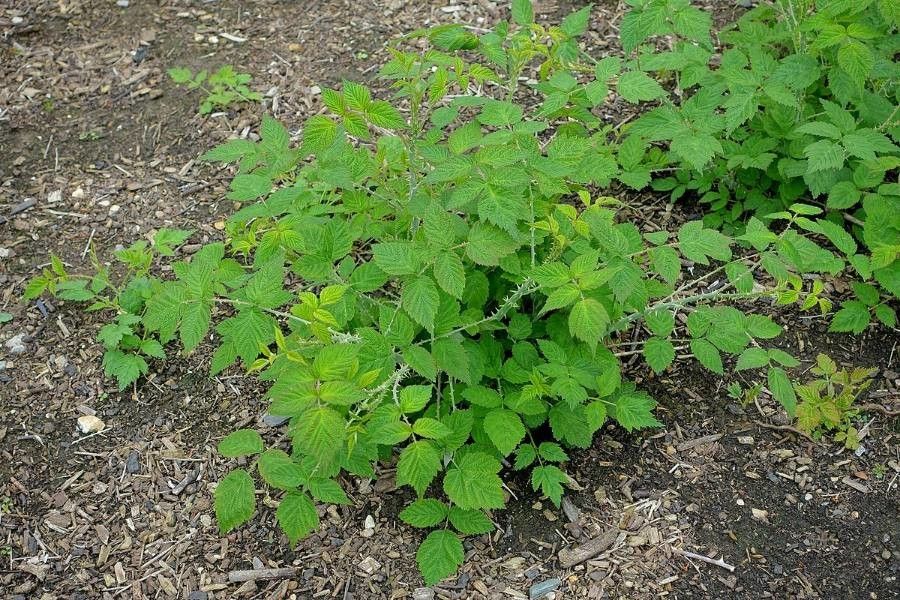
Oh, hello there! It’s so lovely to have you join me for a bit of garden chat. Today, we’re going to dive into the wonderfully rewarding world of Rubus biflorus, also known as Himalayan Bramble. Its striking, white-washed stems are like little beacons in the winter garden, and the delightful berries it produces are a bonus. If you’ve ever admired this beauty and wished you had more of it, you’re in luck! Propagating it is quite achievable, and honestly, it’s a fantastic project for beginners. You’ll feel such a sense of accomplishment watching those little shoots emerge.
The Best Time to Start
For the highest success rate with Rubus biflorus, I find spring is your golden ticket. Once the soil starts to warm up after the last frost, and the plant is just beginning to really stretch and show new growth, that’s your sweet spot. You can also have success with late summer cuttings, but spring propagation just seems to give them that extra bit of energy to establish themselves before winter.
Supplies You’ll Need
Gathering your supplies beforehand makes the whole process much smoother. Here’s what I always have on hand:
- Sharp pruning shears or a clean knife: For making those crucial cuts. Make sure they’re clean to prevent disease.
- Potting mix: A good quality all-purpose potting mix is fine, but I often add a bit of perlite or coarse sand to improve drainage.
- Small pots or trays: Whatever you have available. Even recycled yogurt cups with drainage holes can work in a pinch.
- Rooting hormone (optional but recommended): This little powder or gel can significantly boost your success rates.
- Watering can or spray bottle: For gentle watering.
- Labels: To remind yourself what you’ve planted and when!
Propagation Methods
There are a couple of really straightforward ways to get more Rubus biflorus plants. Let’s break them down.
Stem Cuttings
This is my go-to method. It’s efficient and gives you quite a few new plants from one parent.
- Take your cuttings: In spring, look for healthy, semi-hardwood stems. You want pieces that are about 6-8 inches long. Make your cut just below a leaf node (where a leaf meets the stem).
- Prepare the cuttings: Gently remove the leaves from the bottom half of the cutting. This prevents them from rotting in the soil. If you’re using rooting hormone, dip the cut end into it now.
- Plant the cuttings: Fill your small pots with your potting mix. Make a small hole with your finger or a pencil and insert the cutting, ensuring at least one or two leaf nodes are buried. Gently firm the soil around it.
- Water and cover: Water the soil thoroughly but gently. You want it moist, not waterlogged. Pop the pots into a plastic bag or cover them with a clear plastic lid. This creates a mini-greenhouse effect, keeping humidity high.
Division
This is perfect if you already have a mature Rubus biflorus plant and want to rejuvenate it or simply get a few more plants while doing a bit of tidying up.
- Excavate the plant: In early spring, before new growth really takes off, carefully dig around the base of your plant. The goal is to expose the root ball.
- Separate the rhizomes: You’ll see that Rubus biflorus spreads by underground stems called rhizomes. Gently pull or use a clean spade to divide the root ball into smaller sections. Each section should have a healthy root system and at least one strong shoot.
- Replant immediately: Plant these divisions into their new homes, either in pots or directly into well-prepared garden beds, at the same depth they were originally growing. Water them in well.
The “Secret Sauce” (Pro Tips)
Every gardener has a few little tricks up their sleeve, right? Here are a couple that have really helped me with Rubus biflorus propagation:
- Don’t let the leaves touch the water in water propagation (if you try that method): While Rubus biflorus can sometimes root in water, I find it’s better to avoid this if possible. If you do put cuttings in water, ensure no leaves are submerged. Submerged leaves are a fast track to rot. A bit of water touching the stem nodes is fine, but not the leaves themselves. I personally prefer the soil method for this plant.
- Bottom heat is your friend: If you can provide a little warmth from beneath your pots – perhaps with a heating mat designed for seedlings – your cuttings will root much faster. It mimics the warmth of spring soil wonderfully. Don’t overdo it, just a gentle warmth is all that’s needed.
Aftercare & Troubleshooting
Once your cuttings have been planted, think of them as delicate little babies. Keep the soil consistently moist but never soggy. That’s the most crucial thing. Check under the plastic frequently for condensation – if there’s a lot, give them a bit of air.
You’ll know they’re happy and starting to root when you see new leaf growth. This usually takes anywhere from 4-8 weeks, depending on the conditions. Resist the urge to pull on them to check for roots; just wait for that visible new growth.
The most common sign of trouble is rot. If a cutting turns black and mushy, it’s usually because it’s too wet and there isn’t enough air circulation, or the original cutting was unhealthy. Don’t be disheartened if a few don’t make it; it’s part of the learning process! Just remove them and try to adjust your watering or humidity.
A Encouraging Closing
So there you have it! Propagating Rubus biflorus is a journey filled with anticipation and, ultimately, the joy of bringing new life into your garden. Be patient with your little cuttings. Sometimes they take their time, but when that first new shoot graces you with its presence, it’s a moment of pure gardening delight. Happy propagating, and enjoy watching your garden grow!
Resource:
https://identify.plantnet.org/k-world-flora/species/Rubus%20biflorus%20Buch.-Ham.%20ex%20Sm./data