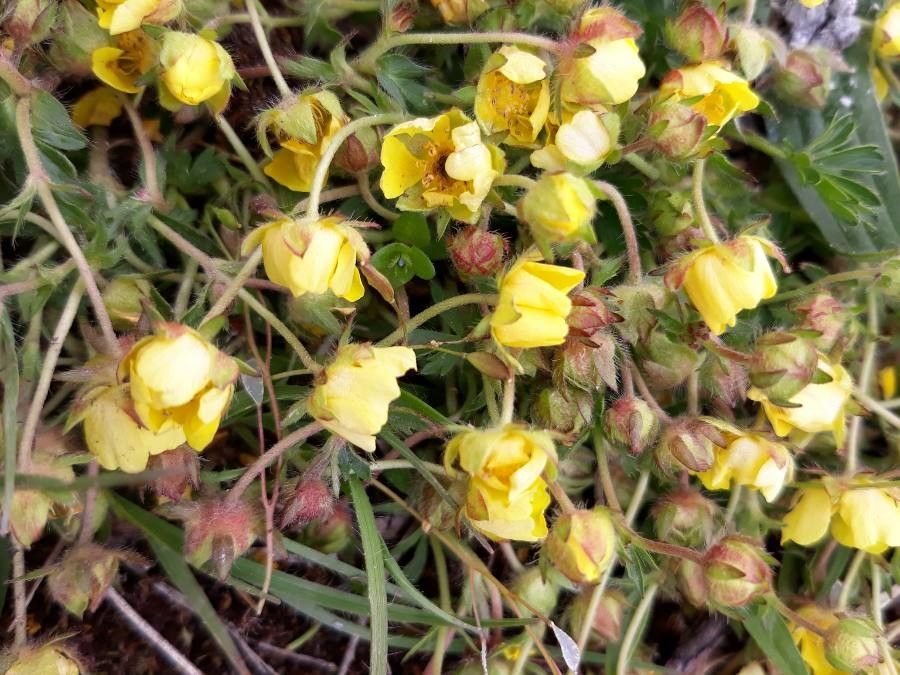
Hello, fellow garden enthusiasts! I’m so excited to chat with you today about a little plant that brings so much joy to my garden: Helianthemum origanifolium, often called Rock Rose or Sun Rose. These cheerful little shrubs, with their delicate, paper-like flowers that come in shades of pink, white, and yellow, are absolute sun-worshippers. They carpet the ground with their low-growing habit, adding a delightful splash of color to borders, rock gardens, and even containers.
Propagating your own Helianthemum is incredibly rewarding. It’s like getting a little thank-you from your existing plants, and it’s a fantastic way to fill your garden (or share with friends!) without breaking the bank. For beginners, I’d say Helianthemum propagation is wonderfully achievable. It’s not one of those finicky plants that demands expert handling. With a little patience and the right approach, you’ll be well on your way.
The Best Time to Start
Hands down, the best time to take cuttings from your Helianthemum is in late spring to early summer. Aim for after the main flush of flowering has passed, but while the stems are still relatively soft and flexible – we call this semi-ripe wood. This is when the plant is actively growing and has plenty of energy to put into developing new roots. You can also try in late summer as the growth starts to firm up, but spring generally gives you the best results.
Supplies You’ll Need
To set yourself up for success, gather these items:
- Sharp pruning shears or a clean craft knife: For making clean cuts.
- Rooting hormone (optional but recommended): A powder or gel that encourages root development.
- Small pots or seed trays: Cleaned thoroughly.
- A gritty, well-draining potting mix: I like a blend of equal parts perlite, sharp sand, and a good quality peat-free potting compost. This is crucial for Helianthemum as they hate soggy feet.
- A dibber or pencil: For making planting holes.
- Plastic bags or a propagator: To create a humid environment.
- A spray bottle with water: For misting.
Propagation Methods
For Helianthemum, stem cuttings are absolutely the way to go. It’s simple and highly effective.
- Take Your Cuttings: In late spring or early summer, select healthy, non-flowering shoots from your established plant. Using your clean secateurs or knife, take cuttings that are about 4-6 inches long. Make the cut just below a leaf node (the point where a leaf joins the stem).
- Prepare the Cuttings: Gently remove the lower leaves from the cutting, leaving just the top few leaves intact. If the remaining leaves are very large, you can trim them in half horizontally to reduce water loss through transpiration.
- Apply Rooting Hormone: Dip the cut end of each cutting into your rooting hormone, tapping off any excess. This step isn’t strictly necessary for Helianthemum, but it can really speed things up and increase your success rate.
- Pot Them Up: Make a hole in your prepared gritty potting mix with your dibber or pencil. Insert the heeled end of the cutting into the hole, ensuring the node where you removed the leaves is buried in the soil. Gently firm the soil around the cutting.
- Create Humidity: Water the pots gently to settle the soil. Then, cover the pots with a clear plastic bag or place them inside a propagator. This creates a mini-greenhouse effect, keeping the cuttings moist. You can secure the bag with a rubber band.
The “Secret Sauce” (Pro Tips)
Here are a couple of things I’ve learned over the years that really make a difference:
- Don’t overwater initially. While humidity is key, drowning your cuttings is the quickest way to rot. Water thoroughly once after potting, and then rely on the humidity from the bag. You’ll only need to water again if the soil starts to look very dry.
- Give them gentle warmth. If you can, place your pots in a warm spot, but out of direct sunlight. A bright windowsill that doesn’t get scorching afternoon sun is perfect. If you have a heated propagator, even better! This warmth encourages root formation from the bottom up.
Aftercare & Troubleshooting
Once your cuttings are potted up, keep them in that humid environment and check them regularly. You’re looking for signs of new growth, which usually means roots are forming. This can take anywhere from 3-6 weeks.
When you see new leaves emerging or feel a slight resistance when you gently tug on a cutting, it’s a good sign. At this point, it’s time to gradually introduce them to fresh air. Gradually open the plastic bag or propagator over a few days. Continue to keep the soil lightly moist but never waterlogged.
The most common problem you might encounter is rot. This usually happens if the cuttings are kept too wet, are in soil that doesn’t drain well, or if they are in a spot that’s too cold and damp. If you see cuttings turning mushy or developing black spots, sadly, they’ve probably succumbed to rot. Don’t be discouraged; just discard them and try again!
Encouraging Closing
Propagating Helianthemum is such a delightful way to expand your garden. Remember to be patient. Nature works on its own timetable, and sometimes cuttings take their sweet time. The joy of watching those tiny roots develop and then seeing your new plants thrive is incredibly satisfying. So grab your secateurs, get your hands in the soil, and enjoy the process! Happy gardening!
Resource: