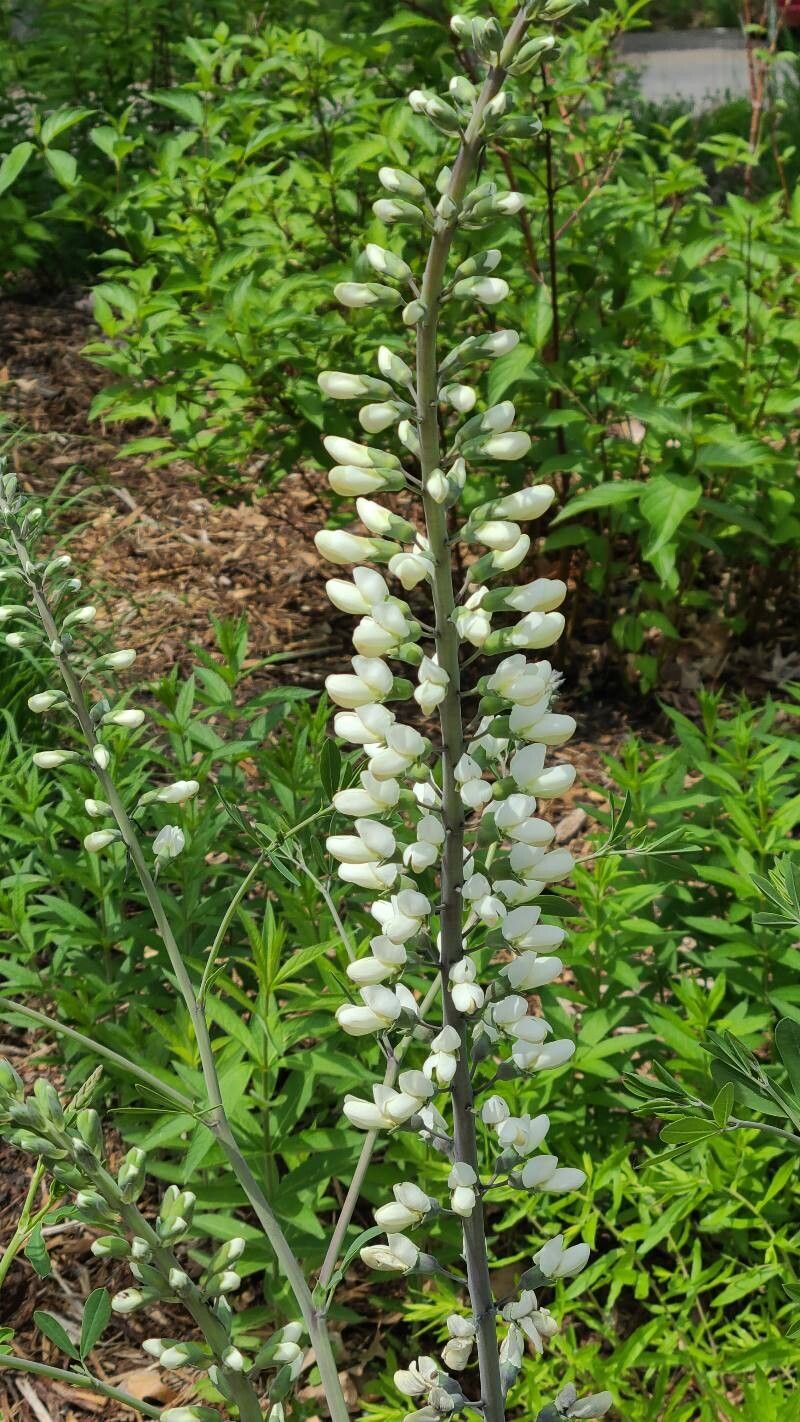
Hello, fellow garden enthusiasts! It’s so nice to have you here today. I wanted to chat about a plant that has brought me so much joy over the years: Baptisia alba, also known as White False Indigo. If you’ve ever seen its elegant spires of creamy white flowers gracing a garden, you’ll understand why it’s a favorite. It’s a sturdy, long-lived perennial that offers beautiful blooms and lovely, silvery-blue foliage, providing a wonderful contrast to other garden textures. And the best part? It’s surprisingly rewarding to propagate, even for those just starting out on their green-thumb journey.
The Best Time to Start
Timing is everything in the garden, and with Baptisia alba, I’ve found the sweet spot is late spring to early summer. This is when the plant is actively growing after its initial bloom flush. Young, vigorous shoots are more likely to root successfully than older, woody stems. Waiting until the plant has recovered from flowering ensures you’re taking cuttings from healthy, well-established growth.
Supplies You’ll Need
To get started, you won’t need a whole lot of fancy equipment. Here’s what I recommend having on hand:
- Sharp Pruning Shears or a Knife: Clean, sharp tools are crucial for making a clean cut and preventing the spread of disease.
- Rooting Hormone: While not strictly essential for Baptisia, it can give your cuttings a significant boost. I prefer a powder form.
- Well-Draining Potting Mix: A good starting point is a mix of equal parts peat moss or coco coir, perlite, and sterile potting soil.
- Small Pots or Flats: Clean plastic pots or seed trays work well to start your cuttings.
- Plastic Bags or a Propagation Dome: This helps maintain humidity around your cuttings.
- Watering Can or Spray Bottle: For gentle watering.
- Labels: To keep track of what you’ve planted!
Propagation Methods
Now, let’s get our hands dirty! While Baptisia alba can be propagated from division, stem cuttings are my preferred method because you can get multiple plants from one parent.
Stem Cuttings
- Select Your Cuttings: Look for healthy, semi-hardwood stems that are about 4-6 inches long. These should be flexible enough to bend slightly without snapping but not so soft that they’re floppy. You want to take them from the new growth.
- Make the Cut: Using your clean shears, make a cut just below a leaf node. A leaf node is where a leaf attaches to the stem. This is where the magic happens, where roots are most likely to form.
- Prepare the Cutting: Gently remove the lower leaves from the cutting, leaving only the top two or three leaves. This prevents them from rotting in the soil and reduces water loss. If the remaining leaves are very large, I like to cut them in half horizontally. This still allows for photosynthesis but reduces the surface area for transpiration.
- Apply Rooting Hormone: Dip the cut end of the stem into your rooting hormone, tapping off any excess.
- Plant Your Cuttings: Fill your small pots or flats with your prepared potting mix. Make a small hole with your finger or a pencil and insert the cut end of the cutting. Gently firm the soil around the stem.
- Water Gently: Water the soil thoroughly but gently so as not to dislodge the cuttings.
- Create a Humid Environment: Cover the pots with a plastic bag, securing it around the rim with a rubber band, or use a propagation dome. Place the pots in a bright location, but out of direct sunlight.
The “Secret Sauce” (Pro Tips)
Here are a few little tricks I’ve learned over the years that can really make a difference:
- Don’t Overcrowd: Give your cuttings space. Overcrowding can lead to poor air circulation and increase the risk of fungal diseases. I usually plant only one or two cuttings per small pot.
- Bottom Heat is Your Friend: If you have a seedling heat mat, placing your pots on it can significantly speed up root development. The gentle warmth encourages root formation. Baptisia alba really thrives with this little boost.
- Cleanliness is Paramount: I can’t stress this enough. Always use clean pots, clean tools, and a clean workspace. This drastically reduces the chances of introducing any nasty pathogens that could kill your precious cuttings.
Aftercare & Troubleshooting
Once your cuttings are planted, the waiting game begins! The goal is to keep the soil consistently moist but not soggy. I like to check the moisture level every couple of days by lightly touching the soil. If it feels dry, give it a gentle watering or mist.
You’ll know your cuttings have rooted when you see new leaf growth or feel a slight resistance when you gently tug on the stem. This can take anywhere from four to eight weeks, sometimes longer, so patience is key!
The most common problem you might encounter is rot. If you see your cuttings turning black and mushy, it’s usually a sign of too much moisture and not enough air circulation. You can try removing affected cuttings, letting the soil dry out a bit more, and ensuring there’s some airflow around the pots. Prevention, through good drainage and not overwatering, is always the best approach.
A Bit More Patience, A Whole Lot of Reward
Propagating Baptisia alba can be an incredibly satisfying endeavor. Watching those tiny cuttings transform into independent plants is a gardener’s delight. Remember to be patient, keep an eye on your little ones, and don’t be afraid to experiment. Soon, you’ll have a whole new batch of these stunning beauties to enjoy in your own garden or to share with lucky friends. Happy propagating!
Resource:
https://identify.plantnet.org/k-world-flora/species/Baptisia%20alba%20(L.)%20R.Br./data