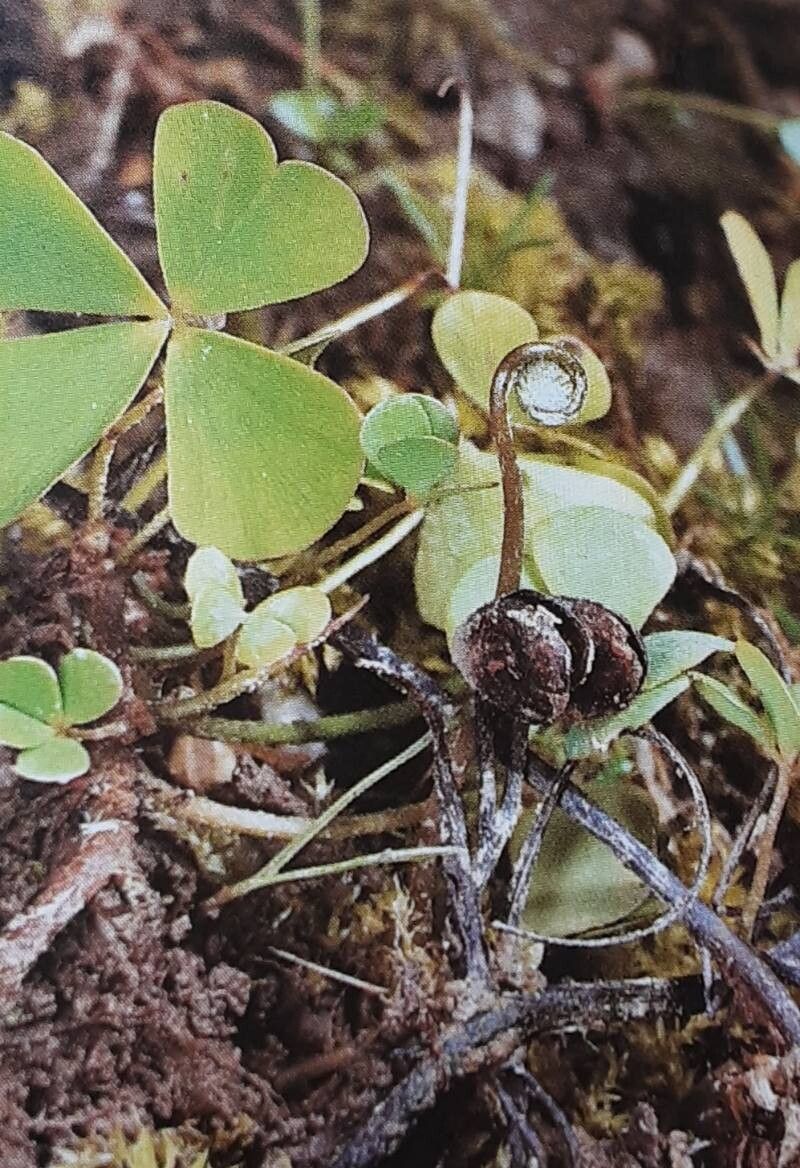
Hello, fellow plant enthusiasts! Today, we’re diving into the wonderful world of propagating Marsilea quadrifolia, also known as Fourleaf Clover or Water Clover. This charming aquatic or semi-aquatic plant, with its distinctive four-leaf clover-like foliage, brings a touch of whimsy to any watery display. Watching it spread and create a lush carpet is incredibly satisfying, and propagating it yourself is a fantastic way to expand your collection or share with friends. Don’t worry, it’s generally a pretty straightforward process, even for beginners wanting to dip their toes into aquatic plant propagation.
When it comes to getting your Marsilea quadrifolia to happily multiply, the growing season is your best bet. Think of spring and summer, when the plant is actively putting on new growth. This is when it has the most energy to dedicate to developing new roots and shoots. Trying to propagate when the plant is dormant will likely lead to less success, so patience until warmer weather arrives is key.
To get started on your propagation adventure, you’ll want a few things handy:
- Sharp pruning shears or scissors: Clean cuts are crucial for healthy new growth.
- A well-draining potting mix: For terrestrial propagation, a mix of peat, perlite, and sand works wonders. If you’re aiming for aquatic propagation, you’ll just need your pond or aquarium substrate.
- Containers: Small pots, propagation trays, or even clean jars will do.
- Water: Fresh, dechlorinated water is a must. If you use tap water, let it sit out for 24 hours to allow chlorine to dissipate.
- (Optional) Rooting hormone: While not strictly necessary for Marsilea quadrifolia, a bit of rooting hormone can give your cuttings an extra boost.
There are a couple of easy-peasy ways to propagate Marsilea quadrifolia:
Stem Cuttings (Semi-Aquatic/Terrestrial)
This is my go-to method when I have a particularly vigorous specimen. Simply look for a healthy stem that has a few leaves and is growing horizontally along the surface of the soil or water. You want a section that’s about 3-4 inches long. Using your sharp pruning shears, carefully make a clean cut just below a leaf node (where a leaf attaches to the stem).
Once you have your cutting, you can either plant it directly into a moist, well-draining potting mix, burying the cut end about an inch deep. Alternatively, if you’re propagating it in a more aquatic setup, you can place the cutting directly into your aquarium substrate or a small container of water.
Rhizome Division (Aquatic/Semi-Aquatic)
Marsilea quadrifolia spreads via rhizomes, which are essentially underground stems. If your plant is looking a bit crowded or you want to create more divisions, gently unpot the parent plant. You’ll see these fleshy, creeping stems. Identify a section of the rhizome that has healthy leaves and appears to have its own root system.
Using clean hands or your pruning shears, gently separate the rhizome section from the main plant. Make sure each new division has at least one leaf and some roots. You can then replant these divisions directly into your desired location, whether that’s in a pot with moist soil or anchored into your aquarium substrate.
Here are a few tidbits of wisdom I’ve picked up over the years that seem to make all the difference:
- Don’t let the leaves touch the water. For stem cuttings that you’re rooting in water, it’s crucial that the leaves stay above the waterline. Submerged leaves tend to rot quickly, which can kill your cutting before it even has a chance to root.
- Provide a good level of humidity. Especially for terrestrial cuttings, enclosing your pots in a plastic bag or using a propagation dome can create a humid microclimate that encourages faster rooting. Just remember to open it up for a bit each day to allow for air circulation and prevent fungal issues.
Once your cuttings have developed a decent root system – you’ll usually see new growth appearing – it’s time for a little extra TLC. If you started them in water, you can carefully transplant them into small pots filled with your chosen potting mix. Keep the soil consistently moist, but not waterlogged. For terrestrial cuttings, continue to provide consistent moisture and that lovely humidity.
Be vigilant! The most common problem you’ll encounter is rot, often indicated by mushy, discolored stems or leaves. This is usually a sign of too much moisture and poor air circulation. If you spot rot, act fast. Remove the affected part immediately to prevent it from spreading. Sometimes, a cutting might just fail to root – don’t be discouraged! It happens to the best of us. Just try again with a fresh cutting and perhaps a slightly different approach.
So there you have it! Propagating Marsilea quadrifolia is a delightful way to connect with nature and expand your green spaces. Remember to be patient, observe your new little plants, and celebrate every bit of progress. Happy propagating, and enjoy the journey!
Resource:
https://identify.plantnet.org/k-world-flora/species/Marsilea%20quadrifolia%20L./data