Hello, wonderful plant lovers!
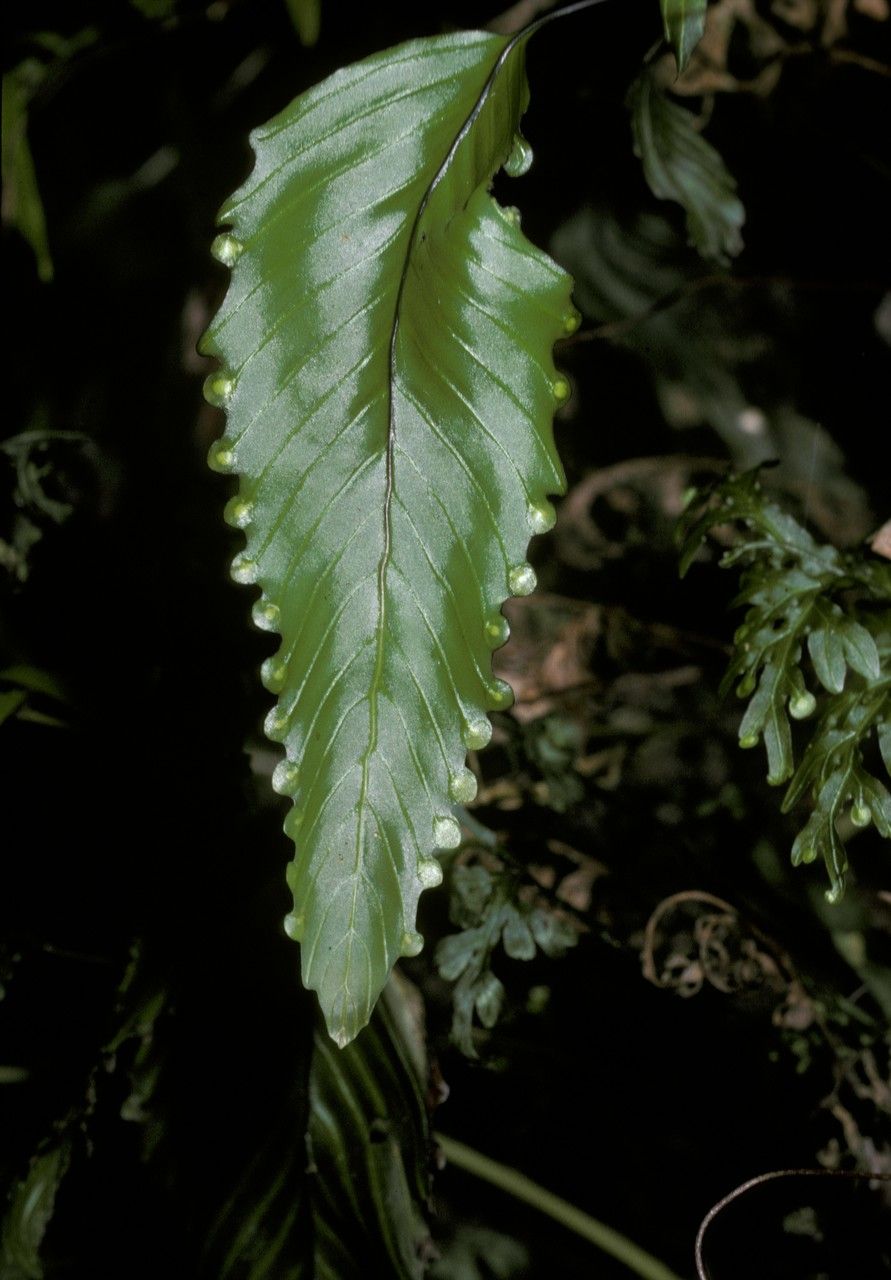
You know, sometimes nature whispers its secrets, and if you’re lucky enough to listen, you get to share in its magic. Today, we’re going to talk about a fern that, to me, truly embodies that subtle charm: Hymenophyllum cruentum. This isn’t your common Boston fern; it’s a delicate, lace-like beauty, often with a striking dark vein running through those fragile fronds. Seeing it unfurl a new fiddlehead feels like discovering a tiny, emerald jewel!
Now, I won’t sugarcoat it. Propagating Hymenophyllum cruentum isn’t quite as straightforward as rooting a pothos, but it’s far from impossible. It requires a bit of patience and attention to its specific needs, but the reward of nurturing a brand-new plant from a tiny piece of a beloved one? Absolutely priceless. It’s a project that really deepens your connection to these ancient wonders.
The Best Time to Start
For Hymenophyllum cruentum, mimicking its natural growth cycle is key. The absolute sweet spot for propagation is during its active growing season. Think spring and early summer. This is when the plant is actively producing new growth, and those tender shoots are more receptive to rooting. If you can catch it right after a flush of new fronds has emerged and before they fully mature, you’re in for the best chance of success.
Supplies You’ll Need
Gathering your tools beforehand makes the whole process smoother. Here’s what I usually have on hand:
- Sharp, sterile pruning shears or a very sharp knife: Clean cuts are crucial to prevent disease.
- Peat moss and perlite mix: Aim for a light, airy, and moisture-retentive medium. A 50/50 blend works well for me.
- Sphagnum moss: This is a fern’s best friend for retaining humidity.
- Small pots or propagation trays: Cleanliness is paramount here!
- Fine mist sprayer: For gentle, consistent hydration.
- Optional: Rooting hormone powder or gel: While not always strictly necessary for this fern, it can give an extra boost.
- Clear plastic bags or domes: To create a humid microclimate.
Propagation Methods
Since Hymenophyllum cruentum is a rhizomatous fern, division is often the most reliable and straightforward method.
Division: The Gentle Split
- Gently remove your mature fern from its pot. Be as careful as possible not to disturb the root ball too much.
- Inspect the rhizomes – these are the creeping stems that grow along the surface or just beneath the soil. You’ll often see new growth points emerging from them.
- Using your clean shears or knife, carefully separate a section of the rhizome that has at least one healthy frond attached. Ensure this section also has some discernible roots.
- If the root ball is very dense, you can gently tease apart sections with your fingers to expose more roots.
- Plant the divided section into a small pot filled with your peat moss and perlite mix. Ensure the rhizome is at or just below the surface, with the frond standing upright.
- Water gently to settle the medium around the roots.
The “Secret Sauce” (Pro Tips)
These are little things I’ve learned over the years that can make a real difference.
- Humidity is EVERYTHING: These ferns absolutely adore high humidity. When you pot up your divisions, pop them into a propagation tray or cover them with a clear plastic bag to create a mini-greenhouse effect. Just make sure to open the bag or lid for a few minutes each day to allow for air circulation and prevent fungal issues.
- Don’t Drown Them: While they love moisture, soggy soil is the enemy of delicate fern roots. The key is consistent dampness, not saturation. If you’re using sphagnum moss around the division, squeeze out excess water before placing it.
- Bottom heat can be a game-changer: If you happen to have a seedling heat mat, placing your propagation trays or pots on it can dramatically speed up root development. It mimics the warmth of spring soil and gives those young roots a happy start.
Aftercare & Troubleshooting
Once you’ve got your division potted up and tucked into its humid haven, patience is your best friend. Keep the medium consistently moist but not waterlogged. You’ll want to see new frond growth emerge from your division – that’s your green light that roots are forming! This can take several weeks, so don’t panic if you don’t see immediate results.
The most common issue you might encounter is rot. If you see the fronds turning mushy or black, it’s a sign of too much moisture and not enough airflow. Remove any affected material immediately and try to regulate your watering and ventilation. If the entire division goes limp and brown, sadly, it may not have taken. Don’t be discouraged; learn from it and try again!
A Encouraging Closing
Propagating plants like Hymenophyllum cruentum is a true joy. It’s a chance to slow down, observe, and connect with the natural world. Even if your first attempt doesn’t yield a forest of new ferns, the experience of nurturing a plant is incredibly rewarding. Keep those shears clean, your mist bottle handy, and your heart open to the magic of growth. Happy propagating, friends!
Resource:
https://identify.plantnet.org/k-world-flora/species/Hymenophyllum%20cruentum%20Cav./data