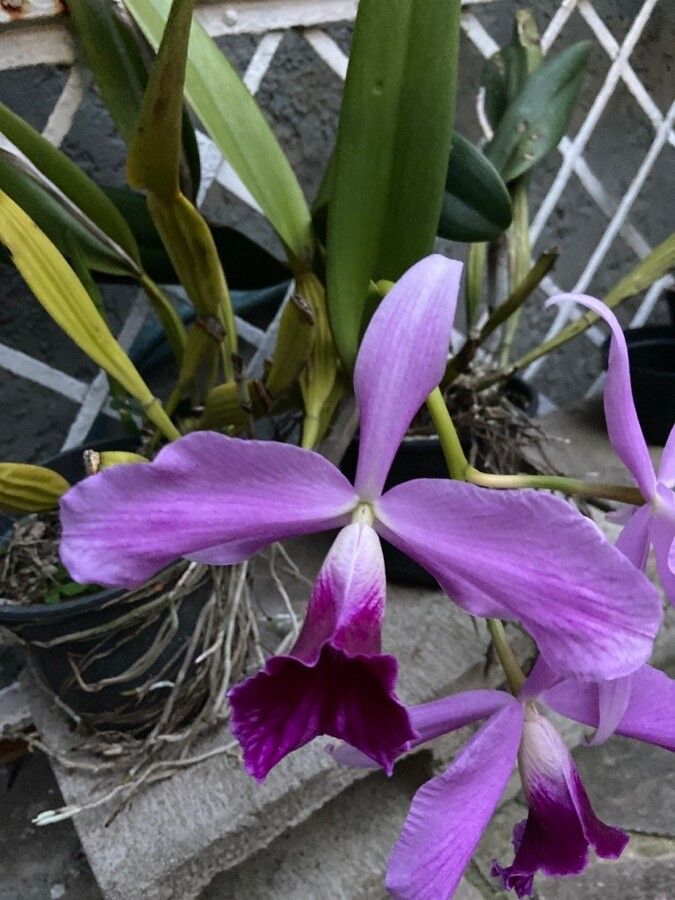
Hello, fellow plant lovers! I’m so excited to chat with you today about a truly special orchid: Cattleya pumila. If you’ve ever seen this miniature wonder in bloom, you know exactly why it captures our hearts. Its delicate, often fragrant flowers pack a big punch, and the best part? You can have more of these beauties to grace your home!
This little orchid is a bit of a treasure, and while it might seem intimidating at first glance, propagating it is a deeply rewarding endeavor. For absolute beginners, it might present a gentle learning curve. But don’t let that deter you! With a little care and patience, you’ll be well on your way to success.
The Best Time to Start
When it comes to Cattleya pumila, timing is key. I’ve found the absolute best window for propagation is during its active growth phase, typically right after it finishes blooming and before the next flowering cycle begins. This usually falls in the late spring or early summer. This is when the plant has plenty of stored energy to put into developing new roots and shoots. Starting when the plant is robust and actively growing gives your new divisions the best possible head start.
Supplies You’ll Need
Gathering your supplies beforehand makes the whole process smoother. Here’s what I always have on hand:
- Sharp, sterile pruning shears or a clean knife: For making clean cuts. You can sterilize them with rubbing alcohol or a household bleach solution.
- Orchid potting mix: A good quality, well-draining mix is crucial. I prefer a blend with medium-grade bark, charcoal, and perlite for excellent aeration. Some people even add a bit of sphagnum moss, which is fine if you’re careful about watering.
- Rooting hormone powder (optional but recommended): A dab of this can give your cuttings an extra boost in root development. Look for one specifically for orchids.
- Small pots or divisions containers: Clean, small pots (about 3-4 inches) or shallow trays work well.
- Labels and a permanent marker: For keeping track of what you’ve propagated and when.
- A watering can with a fine rose or a spray bottle: For gentle watering.
- Good lighting: Bright, indirect light is essential for new growth.
- Warmth: A propagation mat or a warm spot in your home can be beneficial, especially for encouraging root growth.
Propagation Methods: Division is Your Friend!
For Cattleya pumila, division is overwhelmingly the most successful and practical method. It’s less about taking tiny cuttings and more about gently separating sections of the plant. Here’s how I do it:
- Inspect your plant: Gently remove your Cattleya pumila from its pot. You want to look for a plant that has developed at least three to four healthy pseudobulbs (those swollen stem-like structures) attached to a healthy rhizome (the creeping stem connecting them). Overly crowded plants are prime candidates for division.
- Clean the roots: Carefully brush away as much of the old potting mix as you can from the roots. This allows you to see the rhizome clearly and make cleaner divisions.
- Make the cut: Using your sterilized pruning shears or knife, make a clean cut through the rhizome. The goal is to create divisions that each have at least 3-4 healthy pseudobulbs and good root mass. It’s better to have slightly fewer pseudobulbs per division if it means each one is robust and has plenty of roots.
- Separate the divisions: Gently pull the sections apart. If the rhizome is stubborn, you might need to trim a bit more, but try to do it with minimal damage to the roots.
- Trim any old or damaged roots: While you’re at it, tidy up any mushy, dead, or very long, straggly roots.
- Potting up: Place each division into its own pot using your fresh orchid mix. Ensure the rhizome is at or slightly above the surface of the potting mix. You don’t want to bury it. Position the pseudobulbs so the newest growth is facing outward, giving it room to grow.
- Initial watering: Water lightly after potting. You want the mix to be slightly moist, not soggy.
The “Secret Sauce” (Pro Tips)
Here are a couple of things I’ve learned over the years that make a real difference:
- Don’t drown it! This is probably the single biggest mistake people make. New divisions don’t have an established root system yet, so they can’t take up much water. Keep the potting mix just barely moist for the first few weeks. I often mist the leaves lightly and water the media very sparingly. The goal is to encourage roots to seek out moisture, not to have them rot in waterlogged soil.
- A little warmth goes a long way. Placing your newly potted divisions on a gentle heating mat set to around 70-75°F (21-24°C) can significantly speed up root development. It mimics the warmth their natural environment provides. Just be sure the mat isn’t too hot – you don’t want to cook those delicate new roots!
Aftercare & Troubleshooting
Once your divisions are potted, the real work of nurturing them begins.
- Light: Place them in a spot that receives bright, indirect light. Direct sun will scorch their fresh leaves.
- Watering: As I mentioned, err on the side of caution. Water only when the potting mix feels slightly dry to the touch. Overwatering is the enemy and often leads to root rot. You’ll see mushy, black roots and potentially yellowing leaves if this happens.
- Airflow: Good air circulation is important to prevent fungal issues. Avoid cramming them into a dark, stuffy corner.
- What to look for: Be patient! It can take several weeks, sometimes even a couple of months, for new roots to emerge. New leaf growth or tiny root tips peeking out of the potting mix are excellent signs of success.
- Troubleshooting: If you see leaves wilting excessively, despite careful watering, it could be an indication of root rot. If you suspect rot, gently unpot the division, trim away any mushy roots with sterile tools, and repot in fresh, slightly drier media. You may need to remove damaged leaves too.
A Little Patience Goes a Long Way
Propagating Cattleya pumila can be an incredibly rewarding journey. It’s a chance to multiply the joy these beautiful orchids bring into our lives. Don’t get discouraged if your first attempt isn’t perfect. Every plant, and every propagation, is a learning experience. Take your time, enjoy the process, and be proud of every new little orchid you help bring into this world! Happy growing!
Resource:
https://identify.plantnet.org/k-world-flora/species/Cattleya%20pumila%20Hook./data