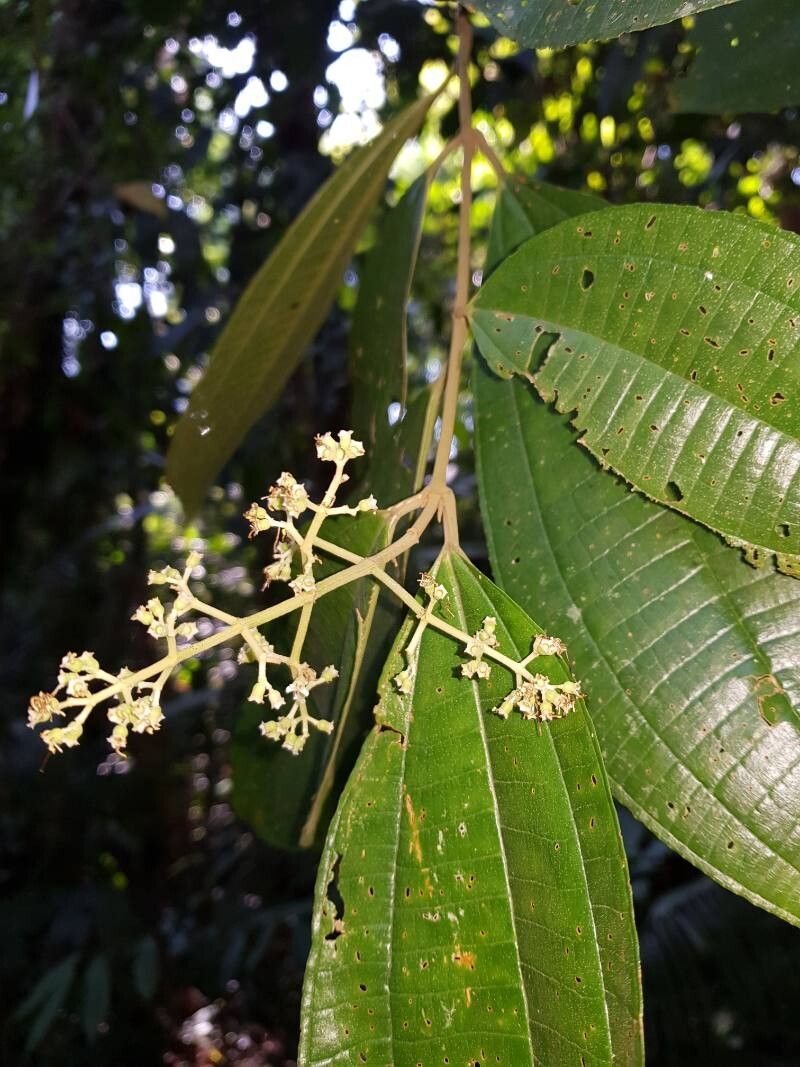
Hello fellow plant lovers! Today, we’re going to delve into the wonderful world of propagating Miconia affinis. If you’ve ever admired the beautiful, often iridescent foliage of this tropical gem and thought, “I wish I had more of those!”, then you’re in the right place. Propagating your own Miconia is incredibly rewarding. You get to witness new life emerge from simple cuttings, and best of all, you end up with more of these stunners for yourself or to share with friends. For beginners, I’d say Miconia affinis falls into the moderately easy category. With a little patience and the right approach, you’ll be successful.
The Best Time to Start
The ideal time to propagate Miconia affinis is during its active growing season. Think late spring into summer. The plant is bursting with energy then, which translates to faster root development and a higher chance of success. You want to take cuttings from healthy, vigorous stems that aren’t flowering.
Supplies You’ll Need
Gathering your supplies beforehand makes the whole process smoother. Here’s what you’ll want to have on hand:
- Sharp Pruning Shears or a Clean Knife: For making clean cuts.
- Rooting Hormone (Optional but Recommended): A powder or gel to boost root formation.
- Well-Draining Potting Mix: I like a blend of peat moss, perlite, and a bit of compost. A good commercial houseplant mix with added perlite also works.
- Small Pots or Seedling Trays: With drainage holes, of course!
- Clear Plastic Bags or a propagator: To create a humid environment.
- Watering Can or Spray Bottle: For gentle watering.
Propagation Methods
Let’s get our hands dirty! Stem cuttings are the most common and effective way to propagate Miconia affinis.
Stem Cuttings
- Select Your Stems: Look for healthy, non-woody stems that are at least 4-6 inches long. They should have several sets of leaves.
- Make the Cut: Using your clean shears or knife, make a clean cut just below a leaf node (where a leaf attaches to the stem). This is where the plant’s natural rooting hormones are concentrated.
- Prepare the Cutting: Gently remove the lower leaves, leaving just two to four at the top. This prevents them from rotting when buried in the soil. If the remaining leaves are very large, you can also cut them in half to reduce water loss.
- Apply Rooting Hormone (Optional): Dip the cut end of the stem into your rooting hormone. Tap off any excess.
- Plant in Soil: Make a small hole in your prepared potting mix in a small pot. Insert the cutting so that at least one leaf node is below the soil surface. Gently firm the soil around the stem.
- Water Gently: Water the soil thoroughly but gently. You don’t want to dislodge the cutting.
- Create Humidity: Cover the pot with a clear plastic bag. Poke a few holes in the bag or prop it up with stakes so that it doesn’t touch the leaves. This creates a mini-greenhouse to keep humidity high. Place the pot in a bright spot, but out of direct sunlight.
Water Propagation (Alternative)
If you prefer, you can try water propagation.
- Follow steps 1-3 for stem cuttings.
- Place the cuttings in a clean glass or jar of water, ensuring the leaf nodes are submerged but the leaves are above the water line.
- Change the water every few days to keep it fresh.
- Place in bright, indirect light. Roots should appear within a few weeks.
The “Secret Sauce” (Pro Tips)
Here are a couple of things I’ve learned over the years that make a big difference:
- The “Wiggle Test” for Readiness: Don’t be too eager to check for roots! Wait at least 3-4 weeks. When you think roots might be forming, gently tug on the cutting. If there’s resistance, you’ve got roots! If it pulls out easily, it hasn’t rooted yet.
- Bottom Heat is Your Friend: For cuttings in soil, placing the pot on a heat mat designed for plants can dramatically speed up root development. Miconia love a bit of warmth.
Aftercare & Troubleshooting
Once your cuttings have developed a good root system (try gently tugging to feel resistance or peek at the drainage holes for roots), it’s time for a little extra care.
- Gradual Acclimation: If you’ve used a plastic bag, slowly start to open it up over a few days to allow the new plant to adjust to lower humidity.
- Watering: Water when the top inch of soil feels dry. Avoid overwatering, as this is a common cause of failure.
- Potting Up: Once the roots are well-established, you can repot the new plant into a slightly larger container with fresh potting mix.
Common Signs of Failure
- Wilting and Yellowing Leaves: This can be due to lack of roots, too much sun, or overwatering.
- Rotting: If the stem turns black and mushy at the soil line, it’s likely rot, usually caused by too much moisture and poor air circulation. Unfortunately, this is usually a sign the cutting is lost.
A Encouraging Closing
Propagating plants is a journey of patience and observation. Don’t be discouraged if your first few attempts aren’t perfect. Every gardener has had their share of failed cuttings! Keep trying, learn from each experience, and celebrate the successes. There’s a real magic in watching a new plant emerge from a simple stem. Happy propagating!
Resource:
https://identify.plantnet.org/k-world-flora/species/Miconia%20affinis%20DC./data