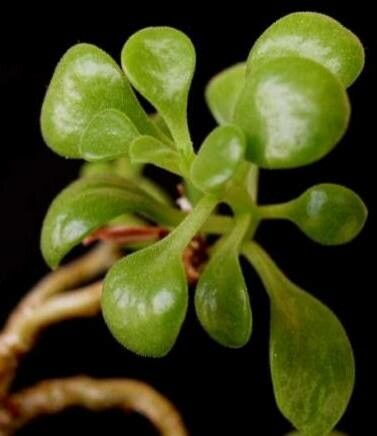
Hello fellow plant lovers! It’s so good to have you here for a chat about one of my personal favorites: Tylecodon torulosus. If you’re drawn to quirky shapes and fascinating textures, this succulent is an absolute delight. Its swollen, twisted stems and delicate, starry flowers are truly captivating. And you know what’s even better? Growing more of them yourself! Propagating Tylecodon torulosus can be incredibly rewarding, though I’ll be honest, it’s not always the easiest plant for absolute beginners. But with a little patience and following some simple steps, you’ll be well on your way to success.
The Best Time to Start
When it comes to Tylecodon torulosus, the sweet spot for propagation is definitely during its active growing season. For most of us, this means late spring through summer. You’ll notice new growth appearing, and the plant will be brimming with energy, making it much more receptive to forming new roots. Trying to propagate when the plant is dormant in winter will likely lead to disappointment.
Supplies You’ll Need
Before we get our hands dirty, let’s gather our essentials:
- Well-draining potting mix: This is crucial for succulents. I like a blend of cactus/succulent mix with perlite or pumice added for extra aeration. Think gritty!
- Sharp, clean pruning shears or a sterile knife: For making clean cuts to avoid introducing diseases.
- Rooting hormone (optional but recommended): A little magic dust can significantly boost your success rate, especially for cuttings.
- Small pots or trays: With drainage holes, of course!
- Plastic bags or a propagation dome: To create a humid environment for cuttings.
- Patience!
Propagation Methods
Tylecodon torulosus can be propagated primarily through stem cuttings and, sometimes, from offsets or divisions.
Stem Cuttings
This is my go-to method and usually yields the best results.
- Take Your Cuttings: During the active growing season, select a healthy stem that is at least 3-4 inches long. Using your sterilized shears or knife, make a clean cut.
- Allow to Callus: This is a critical step! Gently remove any lower leaves that would be below the soil line. Then, let the cutting sit in a dry, well-ventilated spot for 2-7 days, or even longer, until the cut end has dried and callused over. This prevents rot.
- Apply Rooting Hormone (Optional): Once callused, you can dip the cut end into rooting hormone. Tap off any excess.
- Plant the Cuttings: Fill your small pots or trays with your gritty succulent mix. Make a small hole in the soil with your finger or a pencil. Insert the callused end of the cutting about 1-2 inches deep. Gently firm the soil around it.
- Create Humidity: Lightly mist the soil surface. Then, cover the pot or tray with a plastic bag or propagation dome. This will create a humid environment to encourage rooting.
Water Propagation (for experienced growers or specific scenarios)
While I primarily use soil for Tylecodon torulosus, some people have success with water propagation for stem cuttings.
- Prepare the Cutting: Take a cutting as described above, and allow it to callus.
- Place in Water: You can gently place the callused end of the cutting into a container of clean water. Make sure no leaves are touching the water. This is super important to prevent rot.
- Change Water Regularly: Change the water every few days to keep it fresh.
- Monitor for Roots: Once you see tiny roots forming, you’ll want to transition it to soil fairly quickly to prevent the roots from becoming too accustomed to water and struggling in soil.
The “Secret Sauce” (Pro Tips)
Here are a few things I’ve learned over the years that can really make a difference:
- Don’t Overwater Early On: When your cuttings are in the rooting phase, they’re very susceptible to rot. It’s much better to err on the side of too dry than too wet. I usually mist the soil surface only when it looks visibly dry, and only once the humidity dome is on. Once roots have formed and you’ve removed the dome, water sparingly until the plant is well-established.
- Bottom Heat is Your Friend: If you can provide a little gentle warmth from below, say with a seedling heat mat set to a low temperature, it can significantly speed up the rooting process. It mimics that nice warm soil temperature the plant craves in summer.
- Be Patient with Leaf Cuttings (if attempting): While stem cuttings are generally more reliable for Tylecodon torulosus, if you do decide to try leaf propagation (which is much rarer and trickier with this genus), remember that it can take months to see any tiny pup form. It’s a true test of patience!
Aftercare & Troubleshooting
Once you start to see small roots forming (you might feel a gentle tug when you lightly pull on the cutting, or see roots emerging from the drainage holes), it’s time to adjust your care. Gradually introduce your new plant to more light, but avoid direct, harsh sun initially. Continue to water sparingly. You can eventually transition to a regular watering schedule, allowing the soil to dry out completely between waterings.
The most common problem you’ll encounter is rot, usually caused by too much moisture. If you see a cutting mushy and discolored at the base, it’s likely a goner. Don’t be discouraged! It’s a common part of the learning process. Sometimes a cutting might just fail to root. If after several weeks you see no signs of life and it’s still firm, it might just be a stubborn one. You can try another cutting or adjust your conditions.
A Little Encouragement
Propagating plants is a journey, not a race. There will be successes and there will be moments of learning. Embrace the process, observe your cuttings closely, and celebrate every tiny root that forms. The joy of watching a new Tylecodon torulosus spring to life from a piece of your own plant is truly special. Happy propagating!
Resource:
https://identify.plantnet.org/k-world-flora/species/Tylecodon%20torulosus%20Toelken/data