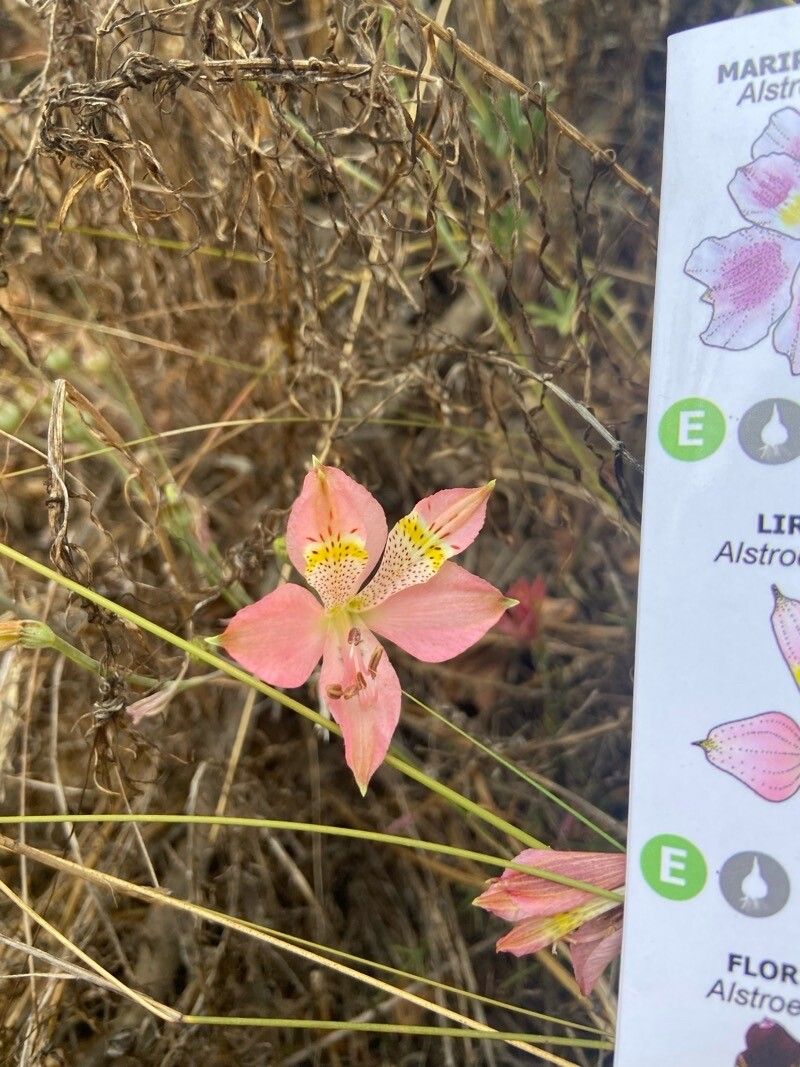
Oh, Alstroemeria! You know, the Peruvian Lily, or Alstroemeria angustifolia if you’re feeling fancy. I’ve always adored these beauties. They have these gorgeous, intricate blooms that look almost tropical, but they’re surprisingly hardy and will keep gracing my garden with their cheerful colors for months on end. They’re like the workhorses of the flower border! And the best part? You can easily multiply them, filling your own garden and sharing the loveliness with friends.
Now, I know some of you might be thinking propagation sounds a bit daunting, especially with a plant like Alstroemeria. But honestly, with a little know-how and patience, it’s not nearly as tricky as you might imagine. In fact, I’d say it’s a pretty rewarding project, even for those just dipping their toes into the world of plant magic.
The Best Time to Start
If you ask me, the sweet spot for propagating Alstroemeria is late spring or early summer. This is when the plant is actively growing, pushing out new shoots after resting through the cooler months. You’ll get the most vigorous growth and the best chance of success by taking cuttings or dividing during this period. Aim for a time when the plant is well-established and you can see plenty of healthy new growth to choose from.
Supplies You’ll Need
Before we get our hands dirty, let’s gather our essentials. Having everything ready makes the process so much smoother.
- Sharp Pruning Shears or a Knife: For clean cuts that heal quickly. Sterilize them with rubbing alcohol before you begin!
- Well-Draining Potting Mix: A good blend of peat moss, perlite, and a bit of sand works wonders. You can buy specific cuttings mixes, too.
- Rooting Hormone (Optional but Recommended): This helps encourage faster and stronger root development. I often find it makes quite a difference.
- Small Pots or Seed Trays: With drainage holes, of course!
- Plastic Bags or a Propagation Dome: To create a humid environment for your cuttings.
- Trowel: For transplanting divisions.
- Gloves: To keep your hands clean and protect against any sap.
Propagation Methods
Alstroemeria can be propagated by a couple of reliable methods. Let’s dive into them!
Stem Cuttings:
This is my go-to for multiplying Alstroemeria. It’s efficient and yields nice, sturdy new plants.
- Select Healthy Stems: Look for young, non-flowering stems that are about 4-6 inches long. You want them to be firm but not woody.
- Make the Cut: Using your sterilized pruning shears, make a clean cut just below a leaf node. A leaf node is where a leaf attaches to the stem. This is where roots are most likely to form.
- Prepare the Cutting: Gently remove the lower leaves from the cutting, leaving just two or three sets of leaves at the top. This reduces water loss. If the remaining leaves are large, you can even cut them in half.
- Apply Rooting Hormone (Optional): Dip the cut end of the stem into your rooting hormone powder or gel. Tap off any excess.
- Plant the Cuttings: Fill your small pots or trays with your well-draining potting mix. Make a hole with your finger or a pencil and insert the cutting, ensuring the leaf nodes are below the soil surface. Firm the soil gently around the stem.
- Create Humidity: Water gently to settle the soil. Then, cover the pot or tray with a plastic bag or place it under a propagation dome. Ensure the leaves don’t touch the sides of the bag if possible.
- Place in Bright, Indirect Light: Find a warm spot, but avoid direct sunlight, which can scorch the delicate cuttings. A bright windowsill or a spot in a greenhouse is ideal.
Division:
This method is best done when you’re transplanting or refreshing established clumps.
- Dig Up the Plant: In late spring or early summer, carefully dig around the base of your Alstroemeria clump. Gently lift the entire root ball from the soil.
- Inspect the Roots: You’ll see fleshy rhizomes. Look for natural divisions where you can see where new shoots are emerging from. These are your potential new plants.
- Separate the Divisions: You can often gently pull the root ball apart with your hands. If it’s a bit stubborn, use a clean trowel or even a sharp spade to carefully cut through the rhizomes. Make sure each division has at least one healthy shoot and a good portion of roots.
- Replant Immediately: Plant your divisions into their new homes, whether that’s back in the original spot (after amending the soil) or in new containers. Plant them at the same depth they were previously growing.
- Water Thoroughly: Give them a good soak to help them settle in.
The “Secret Sauce” (Pro Tips)
Here are a couple of things I’ve learned over the years that really boost my Alstroemeria propagation success:
- Keep Those Leaves Dry! This is huge for stem cuttings. If the leaves rest in water, they’ll rot. If your covering is a bit too snug, prop it up with a toothpick or two so there’s good airflow and the foliage stays above any condensation.
- Bottom Heat is Your Friend: Alstroemeria roots love a little warmth from below. If you have a greenhouse, great! If not, a heat mat designed for seedlings can really speed up root formation from cuttings. It makes a noticeable difference, especially in cooler environments.
- Don’t Be Afraid to Re-Pot Healthy Cuttings: Once I see good root development on my stem cuttings (you can often see roots peeking out of the drainage holes or give the cutting a very gentle tug to feel resistance), I’ll move them to slightly larger pots with fresh potting mix. This encourages them to establish a stronger root system before going into the ground.
Aftercare & Troubleshooting
So, you’ve got your new Alstroemeria babies. Now what?
For cuttings: Keep the soil consistently moist but not waterlogged. Continue to maintain that humid environment for a few weeks, gradually increasing ventilation by opening the plastic bag a little each day. Once you see new leaf growth, it’s a good sign that roots have formed. At this point, you can remove the cover and continue to water as you would a young plant. They’ll likely be ready for their permanent home outdoors after a few months, once they’ve developed a good root system and the danger of frost has passed.
For divisions: Water regularly for the first few weeks, especially during dry spells. You might notice a slight droop as they settle in, but healthy divisions should perk up within a week or two.
What if things go wrong? The most common issue you’ll encounter, especially with cuttings, is rot. This happens when the environment is too wet and not airy enough. If you see your cutting turning black or mushy, it’s usually a lost cause. The best defense is good drainage and proper ventilation. If your divisions look really sad and aren’t recovering after a few weeks, check the soil moisture – they might be too dry or drowning.
A Little Patience Goes a Long Way
Propagating plants, whether it’s through cuttings or division, is a journey. There will be times when everything flourishes, and other times when you’ll have a few disappointments. Don’t get discouraged! Every attempt is a learning experience. Enjoy the process, celebrate your successes, and soon you’ll have a garden bursting with vibrant Alstroemeria. Happy planting!
Resource:
https://identify.plantnet.org/k-world-flora/species/Alstroemeria%20angustifolia%20Herb./data