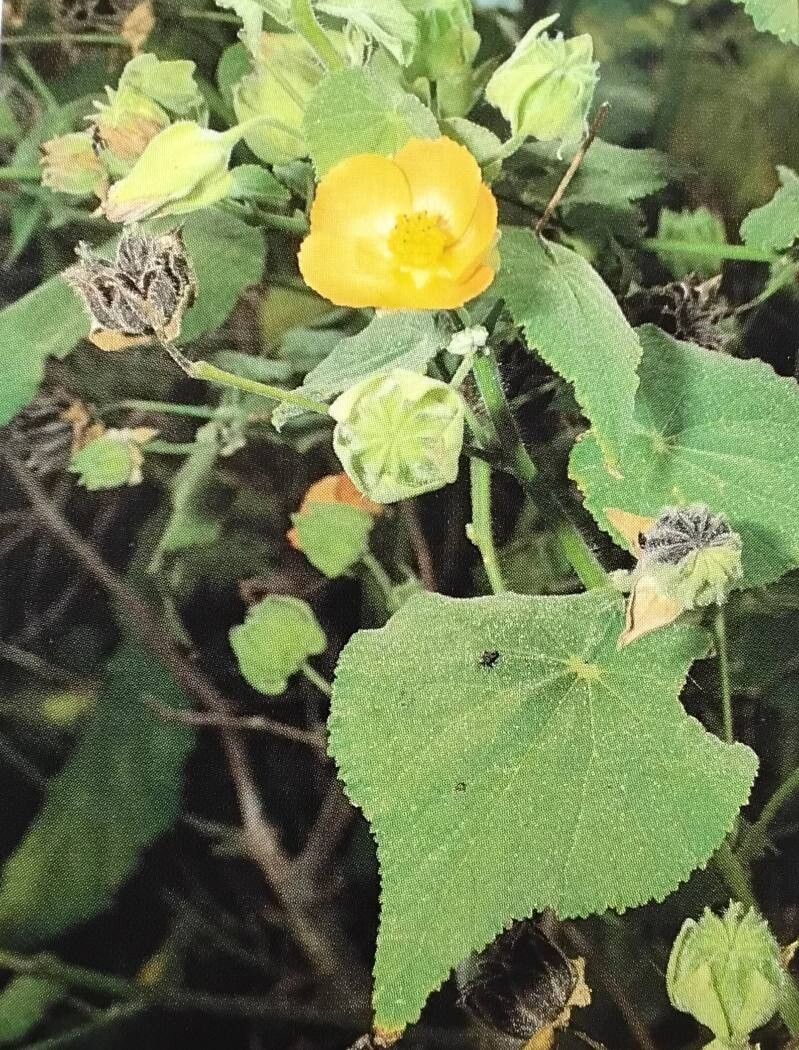
Hello fellow plant lovers! Today, we’re diving into the wonderfully rewarding world of propagating Abutilon grandifolium, also known as the Flowering Maple. If you’ve ever admired those large, bell-shaped blooms and the gentle sway of its large leaves in a breeze, you know why this plant is such a joy. And the best part? You can easily fill your garden (or even just your sunny windowsill!) with more of these beauties by propagating them yourself. Don’t worry if you’re new to this; Abutilon grandifolium is a fairly forgiving plant, and I’m here to guide you every step of the way.
The Best Time to Start
For Abutilon grandifolium, spring is your golden ticket. This is when the plant is actively growing and has the most energy to put into developing new roots. Starting in spring, just as new growth appears, means your cuttings will have the entire growing season to establish themselves. Summer can also work, but you might find slightly slower rooting. Avoid trying to propagate in the dead of winter; your little cuttings will just be too cold and stressed.
Supplies You’ll Need
Here’s what you’ll want to have on hand before you get started:
- Sharp Pruning Shears or a Clean Knife: For taking clean cuts.
- Container with Drainage Holes: Small pots or seed trays work perfectly.
- Rooting Hormone (Optional but Recommended): A powder or gel formula.
- Well-Draining Potting Mix: A 50/50 blend of regular potting soil and perlite or coarse sand is ideal.
- Plastic Bag or Propagator Lid: To create a humid environment.
- Watering Can with a Fine Rose or Spray Bottle: For gentle watering.
- Small Labels: To keep track of what you’ve planted!
Propagation Methods
My favorite and most reliable method for Abutilon grandifolium is through stem cuttings. It’s straightforward and usually yields great results.
- Select Your Cuttings: Look for healthy, non-flowering stems on your mature plant. Choose pieces that are about 4-6 inches long and have at least two or three sets of leaves. Make your cut just below a leaf node (where a leaf attaches to the stem). This is the spot where roots are most likely to form.
- Prepare the Cuttings: Gently remove the lower leaves from the cutting, leaving just the top two or three leaves. If the leaves are very large, you can even cut them in half horizontally to reduce water loss through transpiration.
- Apply Rooting Hormone: Dip the cut end of each stem into your rooting hormone, tapping off any excess. This hormone contains plant growth regulators that encourage root development.
- Plant Your Cuttings: Fill your chosen containers with your prepared potting mix. Make a small hole in the center of each pot with your finger or a pencil. Carefully insert the cut end of the stem into the hole, ensuring the leafy ends are well above the soil. Gently firm the soil around the base of the cutting.
- Water Gently: Water the pots thoroughly but gently. You want the soil to be moist but not soggy.
The “Secret Sauce” (Pro Tips)
Here are a couple of tricks I’ve learned over the years that really boost success:
- The Humidity Hug: Once planted, pop a clear plastic bag over the pot or close the lid of your propagator. This creates a mini-greenhouse, keeping the humidity high and preventing your cuttings from drying out before they can root. Ensure the leaves don’t touch the sides of the plastic bag as this can lead to rot. You might need to prop up the bag with a skewer.
- A Little Warmth Goes a Long Way: Abutilon loves a bit of warmth to encourage root growth. Placing your pots on a heated propagator mat or simply on top of a warm appliance (like a router) can make a significant difference. It provides that gentle heat at the root zone that signals “time to grow!”
Aftercare & Troubleshooting
Once your cuttings are potted and happy under their humidity cover, place them in a bright spot that receives indirect sunlight. Direct sun can scorch those tender new stems. Be patient! It can take anywhere from 3-8 weeks for roots to form. You’ll know they’ve taken when you feel a gentle resistance when you tug lightly on the stem, or you see new leaf growth appearing.
If you notice a cutting turning yellow and limp, or developing a black, mushy base, it’s likely succumbing to rot. This is often due to too much moisture and not enough air circulation. If you see this, unfortunately, the cutting is probably lost. Remove it immediately to prevent the rot from spreading to other cuttings in the same pot. Ensure your soil is draining well and consider gently increasing ventilation if you see signs of dampness lingering for too long.
A Little Patience, A Lot of Joy
Creating new plants is one of the most satisfying aspects of gardening, and propagating Abutilon grandifolium is a fantastic way to start. There might be a few failures along the way – that’s just part of the learning process, and I’ve certainly had my share! But with a little care and these tips, you’ll be well on your way to enjoying more of these radiant blooms. Happy propagating!
Resource:
https://identify.plantnet.org/k-world-flora/species/Abutilon%20grandifolium%20(Willd.)%20Sweet/data