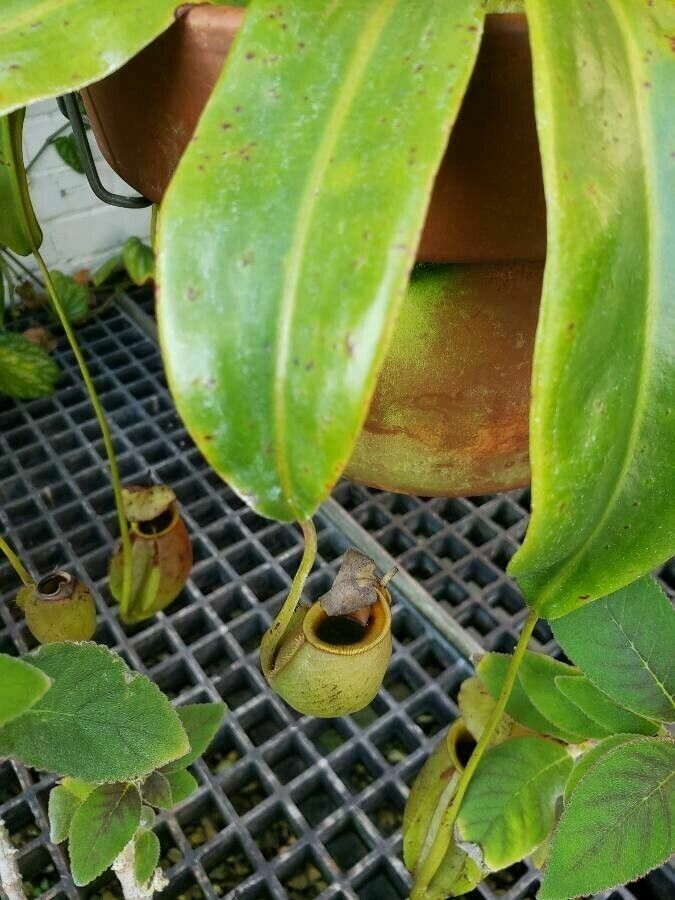
Hey there, fellow plant lovers! I’m so excited to dive into a topic that’s close to my heart: propagating one of the most fascinating plants out there – the magnificent Nepenthes bicalcarata, or the “Dragon’s Mouth Pitcher Plant.”
Welcome the Dragon to Your Garden!
If you’ve ever seen Nepenthes bicalcarata, you know it’s a showstopper. Its dramatic, toothed pitchers are unlike anything else in the plant kingdom. They’re not just beautiful; they’re functional insect traps! Propagating this beauty is incredibly rewarding. You get to witness the magic of new life emerge from an existing plant, and honestly, the satisfaction of growing your own stunning pitcher plants is hard to beat. Now, is it a walk in the park for absolute beginners? I’d say it’s on the more challenging side, but with a little guidance and patience, it’s absolutely achievable.
When to Work Your Magic
The sweet spot for propagating Nepenthes bicalcarata is during its active growing season. Think late spring through summer. This is when the plant has the most energy to put into new growth and root development. You’ll see new shoots forming, and that’s your cue to get started.
Gathering Your Arsenal
Before we get our hands dirty, let’s make sure we have everything we need. Having your supplies ready makes the whole process smoother.
- Sharp Pruning Shears or a Clean Knife: Sterilize them with rubbing alcohol to prevent disease.
- A Well-Draining Potting Mix: I personally love a mix of sphagnum moss and perlite (around a 50/50 ratio). Some folks also use long-fibered sphagnum moss on its own.
- Rooting Hormone (Optional but Recommended): A powder or gel can give your cuttings a helpful boost.
- Propagation Pots or Small Containers: Clean and with drainage holes, of course.
- Humidity Dome or Plastic Bag: To create a humid environment for your cuttings.
- Bottom Heat Mat (Optional but Highly Beneficial): This is a game-changer for encouraging root growth.
- Distilled or Rainwater: Essential for Nepenthes, as they’re sensitive to minerals in tap water.
Bringing Forth New Life: Propagation Methods
While Nepenthes bicalcarata can be propagated in a few ways, stem cuttings are generally the most reliable and common method for home growers.
Stem Cuttings:
This is my go-to method for Nepenthes. It’s all about taking a piece of healthy, mature stem and coaxing it into forming roots.
- Select Your Cutting: Look for a stem that has at least two or three mature leaves and ideally a developing pitcher or the beginning of one. Make sure the stem is firm and not woody.
- Make the Cut: Using your sterilized shears or knife, make a clean cut just below a leaf node (where a leaf emerges from the stem). A node is where new roots are most likely to develop. Your cutting should be about 4-6 inches long.
- Prepare the Cutting: Gently remove the lowest leaf. If your cutting has a developing pitcher, you can sometimes gently trim it down a bit if it’s very large and might cause the cutting to rot, but be careful not to damage the stem.
- Apply Rooting Hormone (If Using): Dip the cut end into your rooting hormone, tapping off any excess.
- Pot it Up: Fill your small pot with your prepared potting mix. Make a small hole in the center with your finger or a pencil.
- Plant the Cutting: Gently insert the cut end of the stem into the hole, making sure the lowest leaf node is buried. Firm the substrate gently around the stem.
- Create a Humid Environment: Water the potting mix thoroughly with distilled or rainwater. Then, place the pot inside a humidity dome or cover it loosely with a plastic bag. Ensure the bag doesn’t touch the leaves of the cutting.
- Provide Warmth and Light: Place the pot in a warm spot, ideally with a bottom heat mat set to around 75-80°F (24-27°C). Bright, indirect light is best; avoid direct sun which can scorch the cutting.
The “Secret Sauce”: Insider Tips from My Greenhouse
After years of nurturing these beauties, I’ve picked up a few tricks that have made all the difference.
- Hygiene is King: I cannot stress this enough. Always use sterilized tools and clean pots. Nepenthes are susceptible to fungal infections, and a clean start is your best defense.
- Patience with Pitchers: Don’t be discouraged if a developing pitcher on your cutting dries up. It’s not a sign of failure! The plant is focusing its energy on root development. New pitchers will form once it’s established.
- Mist, Don’t Drown: While humidity is crucial, you don’t want the potting mix to stay constantly waterlogged. Allow the surface to dry slightly between waterings, but never let it fully dry out. A gentle misting of the leaves can also help maintain humidity without over-watering the roots.
The Long Game: Aftercare and What to Watch For
Once your cutting has been potted and set up, the real waiting game begins.
- Rooting Time: Be patient! It can take anywhere from 4 to 12 weeks, sometimes even longer, for noticeable roots to appear. You might see tiny white nubs peeking out from the drainage holes, or feel a gentle resistance when you lightly tug on the cutting.
- Transitioning: When you’re confident that roots have formed and the plant is actively growing (new leaves or tiny pitchers forming), you can gradually reduce the humidity. Start by opening vents on your dome or lifting the plastic bag for a few hours a day. Eventually, you can remove the cover altogether. Continue to water with distilled or rainwater and provide bright, indirect light.
- Troubleshooting: The Brown Slump: The most common sign of trouble is a cutting that turns yellow or brown and then mushy. This is usually a sign of rot, often caused by over-watering or poor air circulation. If you see this happening, there’s not much you can do to save that particular cutting. It’s why focusing on proper moisture levels and good drainage is so vital. Another issue can be a cutting going completely dormant. If it looks dead but hasn’t rotted, sometimes giving it a bit more time and warmth can bring it back.
Enjoy the Journey!
Propagating Nepenthes bicalcarata is a bit of a labor of love, but seeing those tiny beginnings unfurl into healthy, pitcher-producing plants is incredibly fulfilling. Trust your instincts, be diligent with your care, and most importantly, enjoy the process of nurturing something new. Happy growing!
Resource:
https://identify.plantnet.org/k-world-flora/species/Nepenthes%20bicalcarata%20Hook.f./data