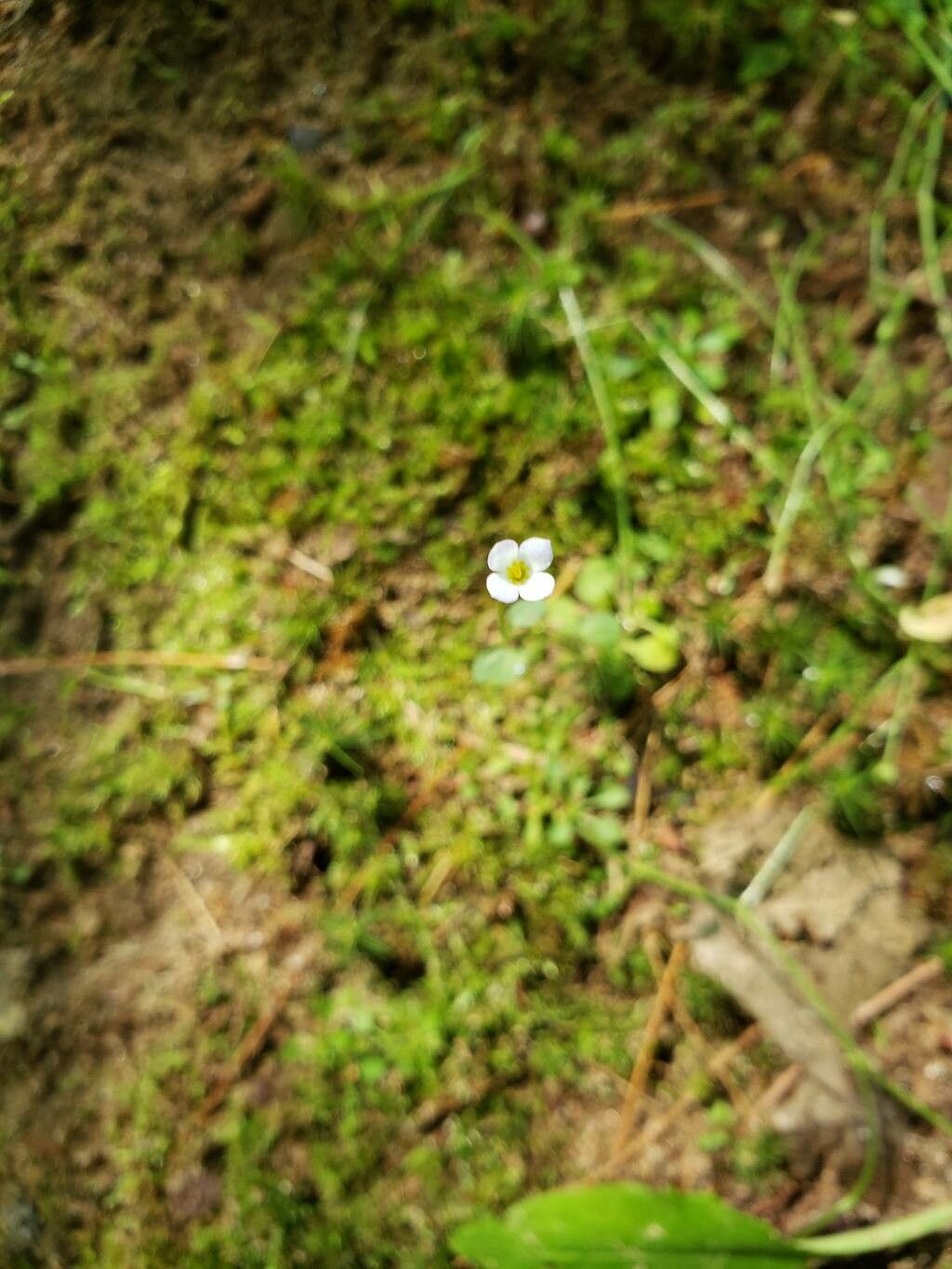
Hello, garden pals! It’s been a minute since we’ve chatted about a truly delightful groundcover, and today, I’m so excited to dive into something special: Houstonia serpyllifolia, also known as Creeping Bluet or Appalachian Bluet. Those tiny, star-shaped blue flowers sprinkled across a carpet of miniature leaves? Pure magic. They bring a delicate charm to any shady corner or rock garden. And the best part? You can easily multiply this beauty yourself!
For many gardeners, propagating Houstonia serpyllifolia is a very achievable project. It’s not one of those finicky plants that demands a PhD in botany to get started. In fact, I’d say it’s well within reach for even those of you just dipping your toes into the world of plant propagation. The reward of seeing those little cuttings take root and grow into new plants is just immense.
The Best Time to Start
When it comes to getting the most bang for your buck, late spring to early summer is your sweet spot. This is when the plants are actively growing and have plenty of good energy to put into developing roots. You’re looking for fresh, healthy stems that aren’t too woody. Think of it as the plant’s youthful vigor – that’s what we want to capture!
Supplies You’ll Need
Gathering your tools is half the fun, isn’t it? Here’s what you’ll want on hand:
- A clean, sharp pair of pruning shears or sharp scissors.
- Small pots or trays with drainage holes. Yogurt cups with holes poked in the bottom work in a pinch!
- A good quality propagation mix or a light potting soil blend. I like to mix equal parts peat moss and perlite for excellent drainage and aeration.
- Rooting hormone (optional, but it can give you a nice boost).
- A plastic bag or dome to create a humid environment.
- A spray bottle filled with water.
Propagation Methods
Houstonia serpyllifolia is quite obliging and lends itself beautifully to a couple of straightforward methods.
Stem Cuttings
This is my go-to for Creeping Bluet. It’s reliable and you can get a good number of new plants from one healthy specimen.
- Take Your Cuttings: In late spring or early summer, gently select healthy, non-flowering stems. You want stems that are flexible but not floppy; they should snap cleanly when bent, not tear. Using your clean shears, cut stems about 2-3 inches long.
- Prepare the Cuttings: Remove the lower leaves, leaving just a few at the very top. This prevents them from rotting once planted. If you’re using rooting hormone, dip the cut end into it, tapping off any excess.
- Plant Your Cuttings: Fill your small pots with your prepared propagation mix. Make a little hole with your finger or a pencil, and carefully insert the cut end of your stem. Gently firm the soil around it.
- Water and Cover: Water the soil lightly until it’s evenly moist but not soggy. Then, cover the pot with a plastic bag or a clear dome to maintain high humidity. You can prop the bag up with a few sticks so it doesn’t touch the leaves.
Division
If your Houstonia has gotten a bit crowded, or you want to give it a refresh, division is a wonderful option.
- Gently Excavate: In spring, before it gets too hot, carefully dig up the entire plant with a trowel. Try to keep as much of the root ball intact as possible.
- Separate the Roots: You can often gently pull the root ball apart with your hands. If it’s a bit stubborn, a clean spade or knife can help you make a clean cut through the roots. Aim to divide it into sections with good root systems and healthy shoots.
- Replant Immediately: Plant the divisions back into the ground or into your pots with fresh soil, spacing them appropriately as you would with the original plant. Water them in well.
The “Secret Sauce” (Pro Tips)
Here are a few little tricks I’ve learned over the years that can make all the difference:
- Don’t let the leaves touch the soil. This is crucial for cuttings! If those lower leaves sit in damp soil, they’re far more likely to succumb to rot. Nibble them off without mercy!
- Bottom heat is your friend. Propagating on a warm windowsill is good, but if you can place your pots on a gentle heating mat, you’ll see root development happen much faster. It mimics the warmth of the soil in summer and gives those developing roots a real kickstart.
- Patience with the pots. Sometimes, I find a little tray with a clear lid is better than individual pots. It keeps the humidity consistent and I can keep an eye on all my little babies at once without disturbing them.
Aftercare & Troubleshooting
Once your cuttings have developed a healthy network of roots – you’ll know this because you’ll see new growth emerging from the top – it’s time to transition them.
- Acclimate them slowly. Gradually remove the plastic bag or dome over a few days to let them get used to the drier air.
- Water consistently. Keep the soil evenly moist, but never waterlogged. It’s better to underwater than overwater at this stage.
- Watch for the signs of success. New leaf growth is the biggest indicator that your cutting has rooted!
- Troubleshooting: The most common issue is rot. If your cuttings go mushy or black, it’s usually a sign of too much moisture and not enough air circulation. If you see this, try to gently remove the affected parts and ensure better drainage and airflow. Sometimes, it’s just a learning curve, and that’s perfectly okay.
A Little Encouraging Word
Propagating plants is a journey, and every gardener, no matter how experienced, has had moments of doubt or a few failed attempts. The beauty of gardening is in the process, the connection to nature, and the sheer joy of nurturing life. So be patient with your little Houstonia cuttings, give them a good spot, and celebrate each tiny sign of progress. Happy planting!
Resource:
https://identify.plantnet.org/k-world-flora/species/Houstonia%20serpyllifolia%20Michx./data