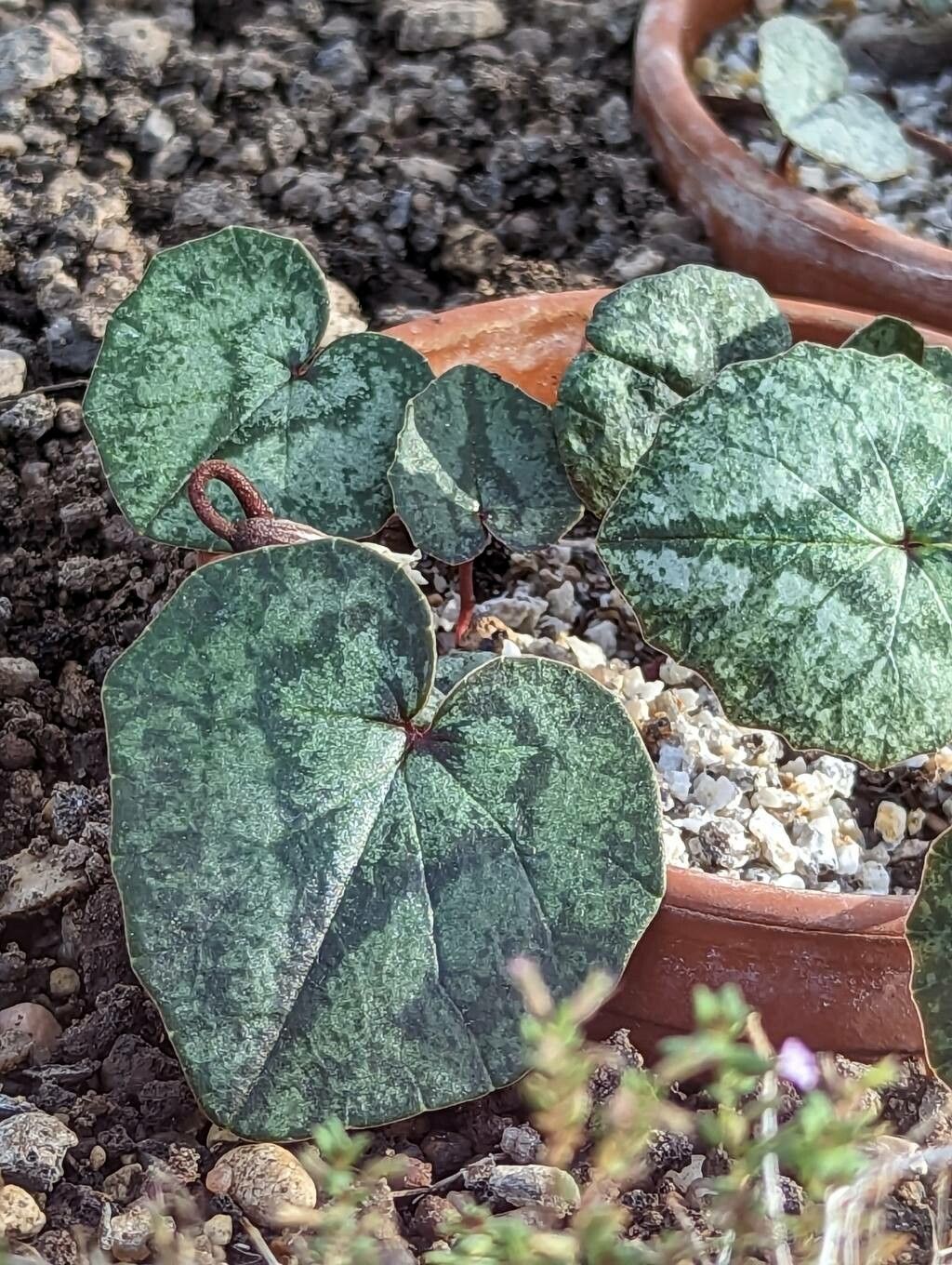
Oh, Cyclamen libanoticum! If you’ve ever seen its delicate, often sweetly scented, pinkish-purple flowers unfurl in the late winter or early spring, you know why it’s so special. It’s got this quiet elegance, a whisper of the Mediterranean coming to bloom when much of the garden is still sleeping. And the scent – it’s truly enchanting.
Now, about propagating it. I’ll be honest, Cyclamen libanoticum isn’t usually the plant I’d hand to a complete beginner looking for quick wins. It can be a little finicky, demanding specific conditions. But if you’ve got a bit of gardening experience under your belt and a love for this particular cyclamen, the reward of nurturing a new plant from an existing one is absolutely worth the effort. It’s like unlocking a little bit of its magic for yourself.
The Best Time to Start
For Cyclamen libanoticum, the sweet spot for propagation is typically right after the plant has finished flowering and is entering its dormant period. This usually happens in late spring or early summer. The plant is storing energy and its tissues are more receptive to the stress of being divided or having cuttings taken. Trying to propagate while it’s actively growing or in full bloom is just going to stress it out unnecessarily.
Supplies You’ll Need
- Well-draining potting mix: I like a mix that’s roughly equal parts peat moss, perlite, and horticultural grit. You want excellent aeration. For some methods, a sterile seed-starting mix can also work.
- Sharp, clean pruning shears or a hobby knife: For making clean cuts.
- Small pots or trays: Clean ones, of course!
- Optional: Rooting hormone powder: Specifically for herbaceous cuttings, though it’s not always essential for cyclamen.
- Watering can or spray bottle: For gentle watering.
- Labels and a pen: Don’t forget to label your new babies!
- A bright, indirect light location: No harsh sun for these little ones.
- Optional: A heat mat: Bottom heat can really speed things up for some propagation methods.
- Optional: A humidity dome or plastic bag: To maintain moisture.
Propagation Methods
The most reliable way to propagate Cyclamen libanoticum is through division of the corms. You can also try taking leaf cuttings, though this is more challenging and takes longer.
Division of the Corms
This is my preferred method, as it’s generally the most successful for this species.
- Wait for dormancy: Ensure your Cyclamen libanoticum has finished flowering and the leaves have started to yellow or die back. Gently remove the spent foliage.
- Gently excavate: Carefully unpot the plant. You’ll see the fleshy corm (which looks like a bulb, but isn’t technically a bulb).
- Inspect the corm: Look for signs of offsets or divisions already forming on the main corm. These are essentially miniature corms attached to the parent.
- Make the cuts: Using your sharp, clean knife or shears, carefully cut the corm into sections. Crucially, each section must have at least one bud or growth point and a piece of the corm itself. Don’t try to divide a corm that doesn’t have natural divisions; you’ll likely damage both parent and offspring.
- Let them callus: It’s a good idea to let the cut surfaces of the corms dry and callus over for a day or two in a dry, airy spot. This helps prevent rot.
- Pot them up: Plant each corm section in its own small pot filled with your well-draining mix. Plant them so the top of the corm is just at or slightly below the surface of the soil.
- Water sparingly: Water gently after planting, just enough to settle the soil. Then, water only when the soil surface feels dry to the touch. Overwatering is the quickest way to lose your divisions.
Leaf Cuttings (More Advanced)
This method is a bit more experimental for Cyclamen libanoticum, but can work.
- Select a healthy leaf: Choose a mature, healthy leaf with its attached petiole (leaf stalk).
- Make the cut: Carefully cut the leaf off, making sure you have a good length of the petiole.
- Insert into a pot: Fill a small pot with your sterile seed-starting mix. Make a small hole in the soil.
- Plant the petiole: Insert the cut end of the petiole into the hole. Ensure no part of the leaf itself touches the soil. You can use a small support stick to hold the leaf upright if needed.
- Maintain humidity: Cover the pot with a clear plastic bag or place it in a propagator dome to create a humid environment.
- Bright, indirect light and warmth: Place the pot in a bright spot that gets no direct sun. A gentle bottom heat from a heat mat can be very beneficial here.
The “Secret Sauce” (Pro Tips)
My two favorite insider tips for cyclamen propagation:
- Don’t overcrowd your divisions. Give each section a little breathing room in its own pot. It saves you heartache later when you’re trying to separate them or if one starts to rot. It’s better to have a few healthy new plants than a pot full of struggling ones.
- For leaf cuttings, think “under the soil.” If you’re doing leaf cuttings, the magic happens at the point where the petiole meets the corm. You want to encourage roots and new growth from that point. Keeping the leaf itself out of the soil and just the petiole buried helps reduce the chance of fungal issues and encourages root formation.
Aftercare & Troubleshooting
Once your divisions or cuttings show signs of life – new leaves unfurling, or roots forming (you might see them peeking out the drainage holes of a division) – you can start to care for them more like a mature plant, but with a gentle touch.
- Watering: Continue to water sparingly. Let the top inch of soil dry out between waterings. As they grow stronger, you can increase watering frequency slightly.
- Light: Keep them in bright, but indirect light. Avoid direct sun, which can scorch their delicate new growth.
- Feeding: Once you see consistent new growth, you can start feeding with a diluted, balanced liquid fertilizer every 4-6 weeks during the growing season.
- Troubleshooting:
- Rot: This is the most common enemy. If a corm or cutting turns mushy, black, and smells foul, it’s likely rot. Sadly, there’s usually no coming back from this. It’s a sign of too much moisture and/or poor drainage.
- No growth: Be patient! Sometimes it takes many months for a divided corm to wake up, especially if it was a small section. A leaf cutting might take even longer to form a new corm.
- Wilting: Can be a sign of underwatering, but also of root rot if the soil is soggy. Always check the soil moisture.
Happy Propagating!
Propagating Cyclamen libanoticum is a project that calls for a little patience and a lot of observation. Don’t be discouraged if your first attempt isn’t a roaring success. Gardening is all about learning, adjusting, and trying again. Enjoy the process, celebrate each tiny sprout, and soon you’ll have a whole new generation of these beautiful, fragrant blooms to grace your home. Happy gardening!
Resource:
https://identify.plantnet.org/k-world-flora/species/Cyclamen%20libanoticum%20Hildebr./data