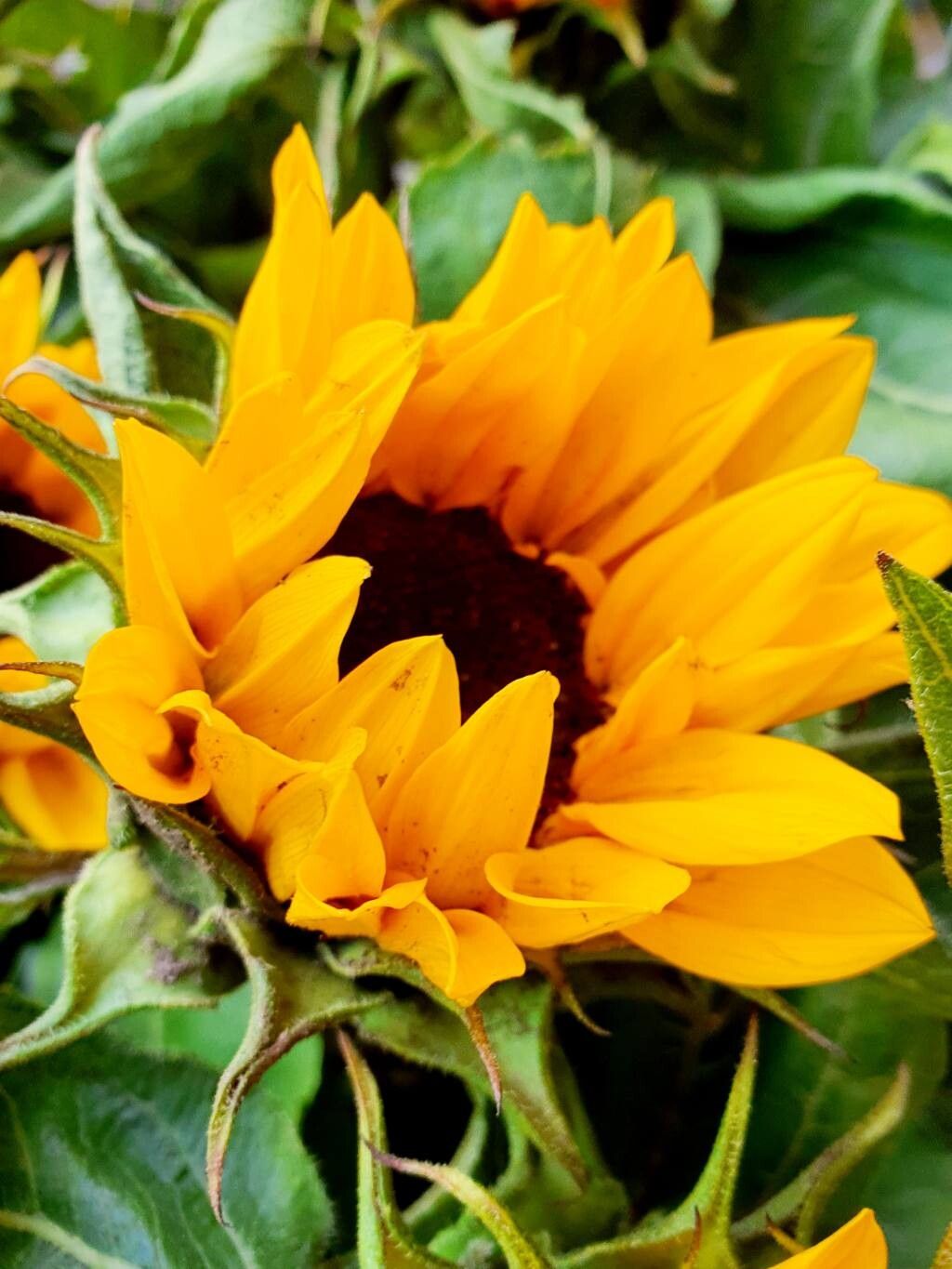
Hey there, fellow garden enthusiasts! It’s wonderful to have you join me today. We’re going to dive into the delightful world of propagating Helianthus giganteus, or as many of us affectionately call them, Giant Sunflowers.
If you’ve ever marveled at those towering stalks crowned with vibrant, cheerful blooms, you know the magic these giants bring to a garden. Propagating them yourself is incredibly rewarding. Not only do you get more of that sunshine-loving beauty, but it’s a fantastic way to share these gifts with friends and family. Now, for the good news: Helianthus giganteus is quite beginner-friendly when it comes to propagation. You’ll find success is well within your reach!
The Best Time to Start
The sweet spot for propagating Helianthus giganteus is definitely late spring to early summer. This is when the plant is actively growing and has plenty of energy to put into developing new roots. You’ll want to do this before the plant gets too tall and starts to droop under its own magnificent weight, making it harder to handle. Look for stems that are strong and have a good amount of healthy leaf growth.
Supplies You’ll Need
Ready to get your hands dirty? Here’s what I always have on hand:
- Sharp Pruning Shears or a Craft Knife: Clean cuts are crucial.
- Rooting Hormone: This isn’t strictly necessary for Helianthus giganteus, but it can certainly give your cuttings a boost. I prefer the powdered kind.
- Well-Draining Potting Mix: A good mix is key. I usually use a blend of peat moss, perlite, and a bit of compost. You can also buy specialized seed-starting or cutting mixes.
- Small Pots or Seedling Trays: Make sure they have drainage holes!
- Watering Can with a Fine Rose: Gentle watering is important.
- Plastic Bags or a Propagator: To create a humid environment.
- Labels and a Pen: To keep track of what you’ve planted where.
Propagation Methods
Giant Sunflowers are remarkably versatile. I find the easiest and most rewarding method is stem cuttings.
Propagating by Stem Cuttings:
- Select Your Stems: Find a healthy, non-flowering stem on your parent plant. Look for a section that’s about 4-6 inches long.
- Make the Cut: Using your clean pruning shears or knife, make a clean cut just below a leaf node. A leaf node is where a leaf grows from the stem. This is where roots are most likely to form.
- Prepare the Cutting: Gently remove the lower leaves from the stem, leaving only the top two or three sets of leaves. If the leaves are very large, you can even cut them in half horizontally to reduce water loss.
- Apply Rooting Hormone (Optional): Dip the cut end of the stem into your rooting hormone. Tap off any excess.
- Plant the Cuttings: Fill your small pots with your prepared potting mix. Make a small hole in the center of the soil with your finger or a pencil. Carefully insert the cutting into the hole, ensuring the leaf nodes that you removed leaves from are below the soil surface. Gently firm the soil around the stem.
- Water Gently: Water the potting mix thoroughly but gently. You want it to be moist, not waterlogged.
- Create Humidity: Place a plastic bag loosely over the pot or put the pot inside a propagator. This will help create a humid environment, which is essential for cuttings to root. Make sure the leaves don’t touch the sides of the bag if you can help it.
- Provide Bright, Indirect Light: Place your pots in a location that receives bright, indirect sunlight. Avoid direct sun, which can scorch the delicate cuttings.
The “Secret Sauce” (Pro Tips)
Here are a few tricks I’ve picked up over the years that really make a difference:
- Bottom Heat is Your Friend: If you have it, use a seedling heat mat under your pots. This gentle warmth from below encourages root development significantly. Helianthus giganteus absolutely loves a bit of warmth to get things going.
- Patience with Top Growth: Sometimes you’ll see new leafy growth appear before you see substantial roots. Don’t be discouraged by this! It just means the plant is putting its energy into getting established above ground first. You’ll know it’s truly rooted when you start to see some resistance when you gently tug on the stem.
- Cleanliness is Paramount: I can’t stress this enough. Sterilize your tools before you start. A simple wipe-down with rubbing alcohol can prevent the spread of any diseases that could sabotage your efforts.
Aftercare & Troubleshooting
Once you see signs of new growth or feel that resistance when gently pulling, your cuttings have likely rooted!
- Transition Gradually: Slowly remove the plastic bag or open the propagator vents over a few days to acclimate your new plants to normal humidity.
- Potting Up: When your new sunflowers have developed a good root system (you might see roots peeking out of the drainage holes, or they’ll be sturdy enough to handle), it’s time to pot them up into slightly larger containers with your regular potting mix.
- Watering: Continue to water them consistently, allowing the soil to dry out slightly between waterings.
- Light: Continue to provide bright, indirect light, and gradually introduce them to more direct sunlight as they grow stronger.
Now, what if things don’t go as planned? The most common issue you’ll encounter is rot. If a cutting turns mushy, black, and smells unpleasant, it’s a sign of too much moisture and not enough air circulation. This is where that well-draining soil and careful watering come into play. If you see any signs of rot, it’s best to discard the affected cutting to prevent it from spreading. Sometimes, even with the best intentions, not every cutting will make it. Don’t let it get you down! Gardening is a journey of learning, and each attempt is a valuable lesson.
A Little Bit of Sunshine, Grown by You
There you have it! Propagating Helianthus giganteus is a wonderful way to multiply the joy these plants bring. Be patient, enjoy the process, and delight in watching these miniature giants unfurl and grow. Happy gardening, my friends!
Resource:
https://identify.plantnet.org/k-world-flora/species/Helianthus%20giganteus%20L./data