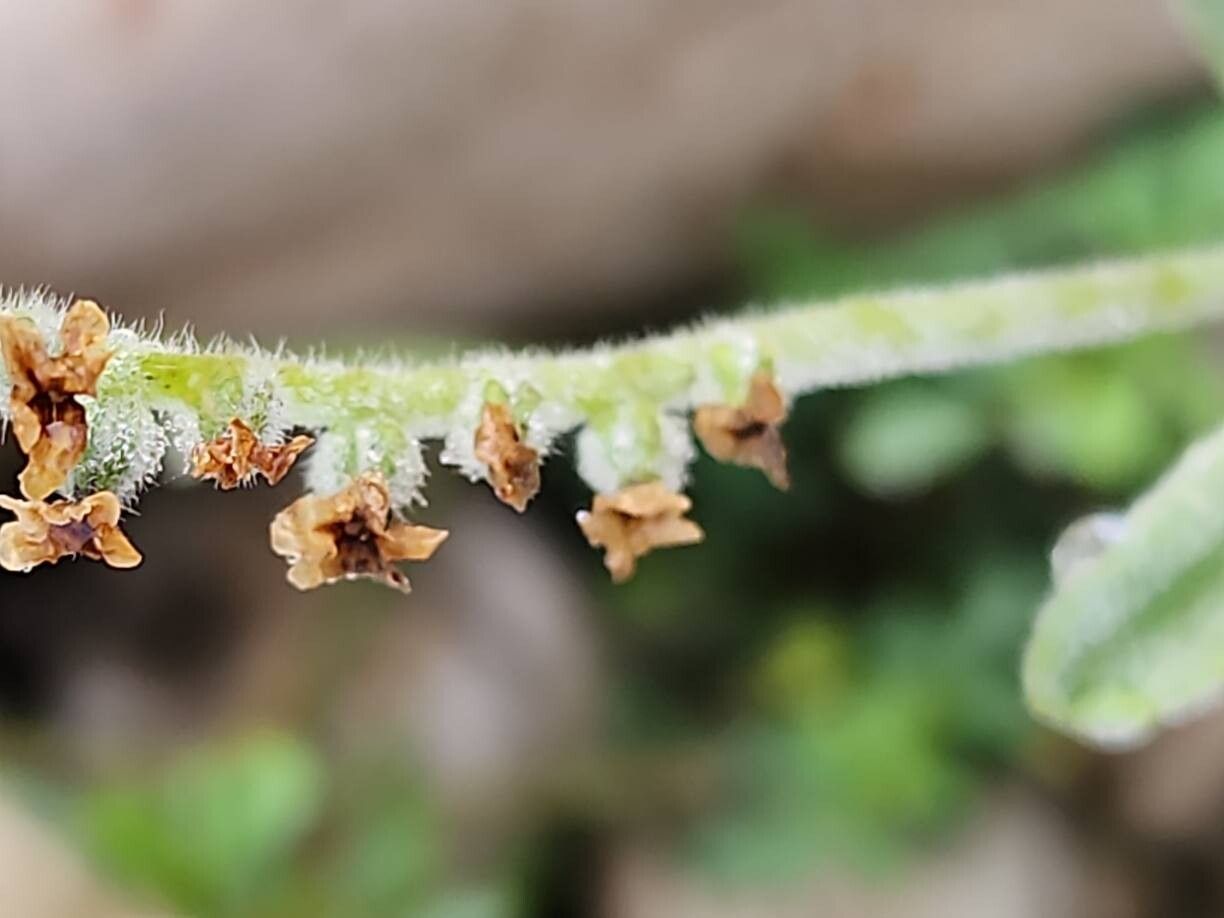
Hello there, fellow garden lovers! It’s so lovely to have you pop by. Today, I want to chat about a plant that truly stole a piece of my heart years ago: Heliotropium calcareum.
Bringing Vanilla Scent to Your Garden
Now, if you’ve ever had the pleasure of walking past a blooming Heliotropium calcareum, you know the magic. That sweet, intoxicating, almost vanilla-and-cherry pie scent is simply divine. It’s no wonder these plants are so sought after, drawing in pollinators with their clusters of beautiful, often vibrant purple flowers. And the best part? Sharing that beauty with others, or simply expanding your own floral kingdom, is absolutely achievable through propagation. For those of you just dipping your toes into the world of plant magic, I’d say Heliotropium calcareum is moderately easy to propagate. It’s not rocket science, but it does appreciate a little care and attention. You’ll be rewarded for your efforts, I promise!
When to Get a Head Start
The sweet spot for propagating Heliotropium calcareum is generally in the late spring or early summer. This is when the plant is in its most active growth phase. Think about it: the days are getting longer, the sun is warmer, and the plant is just bursting with energy. Starting your cuttings then gives them the best chance to establish healthy roots before the cooler weather sets in. You can also try in early autumn, but be prepared for slightly slower rooting times.
Your Propagation Toolkit
Gathering your supplies before you begin makes the whole process so much smoother. Here’s what you’ll want on hand:
- Sharp, clean pruning shears or a craft knife: For making neat cuts.
- A rooting hormone powder or gel: This is like a little boost for your cuttings, encouraging root development.
- A well-draining potting mix: I like to use a blend of equal parts peat moss (or coir), perlite, and a little bit of sand.
- Small pots or propagation trays: Yogurt cups with drainage holes poked in the bottom work in a pinch!
- A plastic bag or clear plastic dome: To create a humid environment.
- Water: For the cuttings and for misting.
- Optional: Bottom heat mat: This can really speed things up, especially if your propagation space is a bit cool.
Getting Those Roots to Grow
Now for the fun part! Heliotropium calcareum is wonderfully amenable to stem cuttings, which is my go-to method.
Stem Cuttings:
- Select your parent plant: Look for healthy, non-flowering stems. You want stems that are firm but not woody. A good cutting is about 4-6 inches long.
- Make the cut: Using your clean shears, make a cut just below a leaf node. This is where future roots are most likely to form.
- Prepare the cutting: Gently remove the lower leaves from the stem, leaving just a couple of leaves at the top. If the top leaves are very large, you can even snip them in half to reduce water loss.
- Dip in rooting hormone: Moisten the cut end of the stem slightly with water, then dip it into your rooting hormone powder or gel. Tap off any excess.
- Plant your cutting: Make a small hole in your prepared potting mix using a pencil or your finger. Gently insert the cut end of the stem into the hole and firm the soil around it.
- Water gently: Water the soil thoroughly but carefully, making sure not to dislodge your cutting.
- Create humidity: Cover the pot with a plastic bag or dome. Make sure the plastic isn’t touching the leaves too much. Pop it into a bright spot, but out of direct sunlight.
Water Propagation (An Alternative):
While I prefer soil propagation for Heliotropium calcareum, you can try water for a quick peek at root development.
- Follow steps 1-3 above for preparing your cuttings.
- Place the cuttings in a jar or glass of water.
- Crucially, ensure that no leaves are submerged in the water. Any leaves touching the water will rot and can take your cutting down with them.
- Change the water every few days to keep it fresh and oxygenated.
- Once you see a good flush of roots (about an inch long), you can carefully transplant them into potting mix.
The Gardener’s Secret Sauce
Over the years, I’ve learned a few tricks that can make a big difference.
- Bottom Heat is Your Friend: If you have it, place your pots on a bottom heat mat. This warmth mimics spring soil temperatures and really encourages those roots to get going much faster. It’s a game-changer, especially in cooler homes.
- Gentle Misting: Don’t be afraid to lightly mist the leaves of your cuttings every so often, especially if you’re not using a fully enclosed dome. This helps keep them hydrated while they’re busy forming roots. Just a light spray, mind you!
- Patience is a Virtue (and a necessity): Don’t be tempted to pull up your cuttings every other day to check for roots. It’s very disruptive. With good conditions and maybe a sprinkle of rooting hormone, you should start to see signs of life in 3-6 weeks.
Nurturing Your New Sprouts
Once you see those lovely little roots peeking out of the drainage holes, or feel a gentle resistance when you tug ever-so-slightly on the cutting, it’s time to transition your new plant.
- Gradual Acclimatization: If you’ve been using a plastic bag or dome, start by lifting it for a few hours each day, gradually increasing the time until the plant is used to the normal humidity.
- Watering: Keep the soil consistently moist but never waterlogged. Allow the top inch of soil to dry out slightly between waterings.
- Light: Continue to provide bright, indirect light. As the plant grows stronger, it can handle more sunshine.
- Repotting: Once your new Heliotropium calcareum has a good root system and is actively growing, you can repot it into a slightly larger pot with fresh, good-quality potting mix.
Troubleshooting:
The most common issue you’ll face is rot. If your cutting looks mushy or has turned black, it’s likely rotted. This is usually due to too much moisture and not enough air circulation, or sometimes because a leaf was left in water. Don’t be discouraged if a few don’t make it. It’s all part of the learning process! Clean your tools and try again.
Go Forth and Multiply!
Propagating your own plants is such a fulfilling part of gardening. It’s a way to connect with nature, to understand the life cycles, and to share the joy of these beautiful plants. So, grab your shears, pick out a strong stem, and give Heliotropium calcareum propagation a try. Be patient, enjoy the process, and soon you’ll have a whole new collection of these fragrant beauties to enjoy! Happy gardening!
Resource:
https://identify.plantnet.org/k-world-flora/species/Heliotropium%20calcareum%20Stocks/data