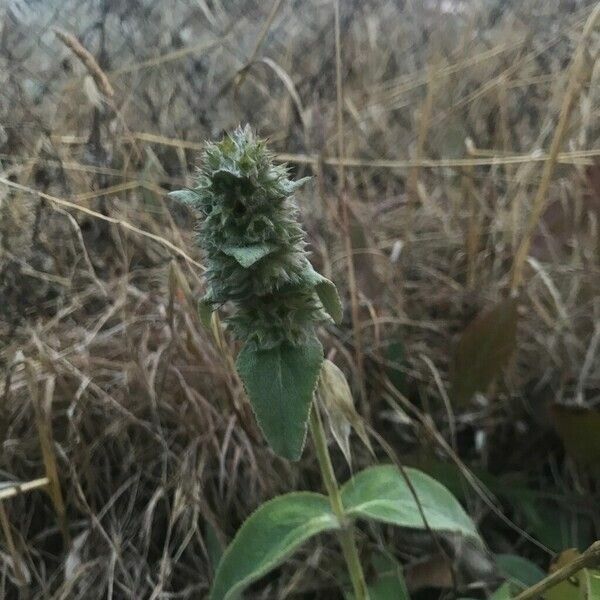
Hello there, fellow plant lovers! It’s so lovely to have you join me today. We’re going to dive into the wonderful world of Stachys germanica, also known as Lamb’s Ear or German Stachys. If you’re like me, you probably admire that fuzzy, silver-grey foliage that adds such a delightful texture and light to any garden bed or container. It’s a plant that feels almost huggable, isn’t it?
Propagating Stachys germanica is a truly rewarding endeavor. It’s a fantastic way to expand your collection, share with friends, or fill out those spaces in your borders that just beg for a touch of softness. And the best part? It’s a genuinely beginner-friendly plant to propagate. You’ll find yourself with successful new plants in no time!
The Best Time to Start
For the highest success rates, I always recommend propagating Stachys germanica during its active growing season. This typically falls from late spring through to mid-summer. You want to work with healthy, vigorous plant material when it has plenty of energy to put into root development. Trying to propagate when the plant is dormant, like in the heat of late summer or the chill of autumn, isn’t ideal.
Supplies You’ll Need
Gathering your supplies beforehand makes the whole process much smoother. Here’s what I usually have on hand:
- Sharp pruning shears or a clean knife: For making clean cuts.
- Rooting hormone (optional but helpful): A powder or gel to encourage faster root formation.
- Potting mix: A well-draining blend is crucial. I like to use a mix of equal parts potting soil, perlite, and coarse sand.
- Small pots or seed trays: With drainage holes, of course!
- Watering can or spray bottle: For gentle watering.
- Plastic bags or a propagation dome: To maintain humidity.
- Labels: So you don’t forget what you planted where!
Propagation Methods
Stachys germanica is wonderfully versatile, and you can propagate it using a couple of straightforward methods.
Stem Cuttings
This is my go-to method for Stachys.
- Select your stems: Look for healthy, non-flowering stems. They should be firm but flexible, not woody or too soft.
- Make the cut: Using your clean shears, cut a stem about 4-6 inches long. Make the cut just below a leaf node (where a leaf grows from the stem).
- Prepare the cutting: Gently remove the lower leaves from the bottom half of the stem. You want to leave just a few leaves at the top for photosynthesis. If the leaves are very large, you can even cut them in half horizontally to reduce water loss.
- Apply rooting hormone (if using): Dip the cut end of the stem into your rooting hormone, tapping off any excess.
- Plant your cuttings: Fill your small pots or trays with your well-draining mix. Make a hole with your finger or a pencil, and insert the prepared cutting, ensuring the leaf nodes are below the soil surface. Gently firm the soil around the cutting.
- Water gently: Water the soil thoroughly but gently so you don’t dislodge the cuttings.
Division
This is another excellent and very hands-off method, especially for established clumps.
- Dig up the plant: In late spring or early summer, carefully dig up your established Stachys clump. It’s best to do this when the soil is slightly moist.
- Clean the roots: Gently shake off excess soil so you can clearly see the root structure.
- Separate the divisions: Using your hands or a clean spade, gently pull or cut the clump apart. Each division should have a good portion of roots and at least a few healthy shoots.
- Replant: Immediately replant your divisions into pots filled with your potting mix or directly into prepared garden beds. Water them in well.
The “Secret Sauce” (Pro Tips)
Here are a couple of tricks that I’ve picked up over the years that really boost my propagation success.
- Humidity is key for cuttings: Once you have your stem cuttings planted, the most crucial step is to maintain consistent high humidity. Tuck the pots into a plastic bag or cover them with a propagation dome. This creates a mini-greenhouse effect, preventing the cuttings from drying out before they can form roots. Just make sure the leaves don’t touch the sides of the bag, as this can encourage rot. You might need to peek in every few days to give them a little fresh air.
- Bottom heat makes a difference: If you can, placing your pots on a gentle heat mat can significantly speed up root development for stem cuttings. It mimics the warmer temperatures of the soil that the plant naturally seeks out for root growth. Don’t have one? No worries, they’ll still root without it, but it’s a nice little boost if you can provide it.
Aftercare & Troubleshooting
Once your cuttings have developed roots – you can gently tug on them to test; there will be resistance – it’s time for a little extra care.
Gradually acclimatize your new plants to drier air. You can start by opening the plastic bag or dome for a few hours each day. Continue watering as needed, allowing the soil to dry slightly between waterings. Avoid overwatering, as this is the quickest way to invite trouble.
The most common sign of failure is rotting. If your cuttings turn mushy or dark and fall apart, it’s usually a sign of too much moisture and not enough air circulation. Don’t be discouraged! It happens to the best of us. Just pull out the affected cuttings, sterilize your pots, and try again. For divisions, wilting can occur, but if the roots are healthy, they should bounce back with consistent watering.
A Encouraging Closing
Growing new plants from cuttings or divisions is such a magical process. It connects us more deeply to the plant and really builds our confidence. Be patient with your Stachys germanica; sometimes it takes a little while for roots to appear, but the reward of seeing those little sprouts flourish in their own pots is absolutely worth it. Happy propagating, and enjoy the journey!
Resource:
https://identify.plantnet.org/k-world-flora/species/Stachys%20germanica%20L./data