Oh, hello there! Grab a cuppa and let’s chat about one of my absolute favorite blooms: Protea neriifolia, the beautiful lily-leafed protea. With its stunning, sculptural flower heads, it’s like a little piece of art for your garden. And the best part? You can actually create more of these beauties right at home!
Propagating proteas can feel a bit like a challenge, especially the first time around. They’re not as forgiving as, say, a hardy geranium, but with a little patience and the right approach, it’s absolutely achievable. That feeling when you see that first tiny root pushing out? Pure gardening joy!
The Best Time to Start
For the highest chance of success with Protea neriifolia cuttings, I always aim for late spring or early summer. You’re looking for semi-hardwood cuttings. This is when the stems are starting to firm up but are still somewhat flexible. Think of it as the plant being in a “growing” phase but not aggressively soft growth. Avoid taking cuttings from very new, floppy shoots or from stems that are completely woody and stiff.
Supplies You’ll Need
Gathering your tools beforehand makes the whole process so much smoother. Here’s what I always have on hand:
- Sharp Pruning Shears or a Craft Knife: Cleanliness is key, so make sure they’re sterilized.
- Rooting Hormone: I prefer a powdered rooting hormone that contains IBA (Indole-3-butyric acid). It really gives those cuttings a boost.
- Well-Draining Potting Mix: A coarse mix is vital. I often use a blend of perlite and peat moss, or even a specialist protea mix. The goal is excellent drainage to prevent rot.
- Small Pots or Seed Trays: Clean pots are a must.
- Plastic Bags or a Propagation Dome: This helps create a humid environment.
- Plant Labels and a Pen: Don’t underestimate the power of labeling!
- Warmth Source (Optional but recommended): A heat mat can make a big difference in encouraging root development.
Propagation Methods: Stem Cuttings
This is by far the most common and effective way to propagate Protea neriifolia.
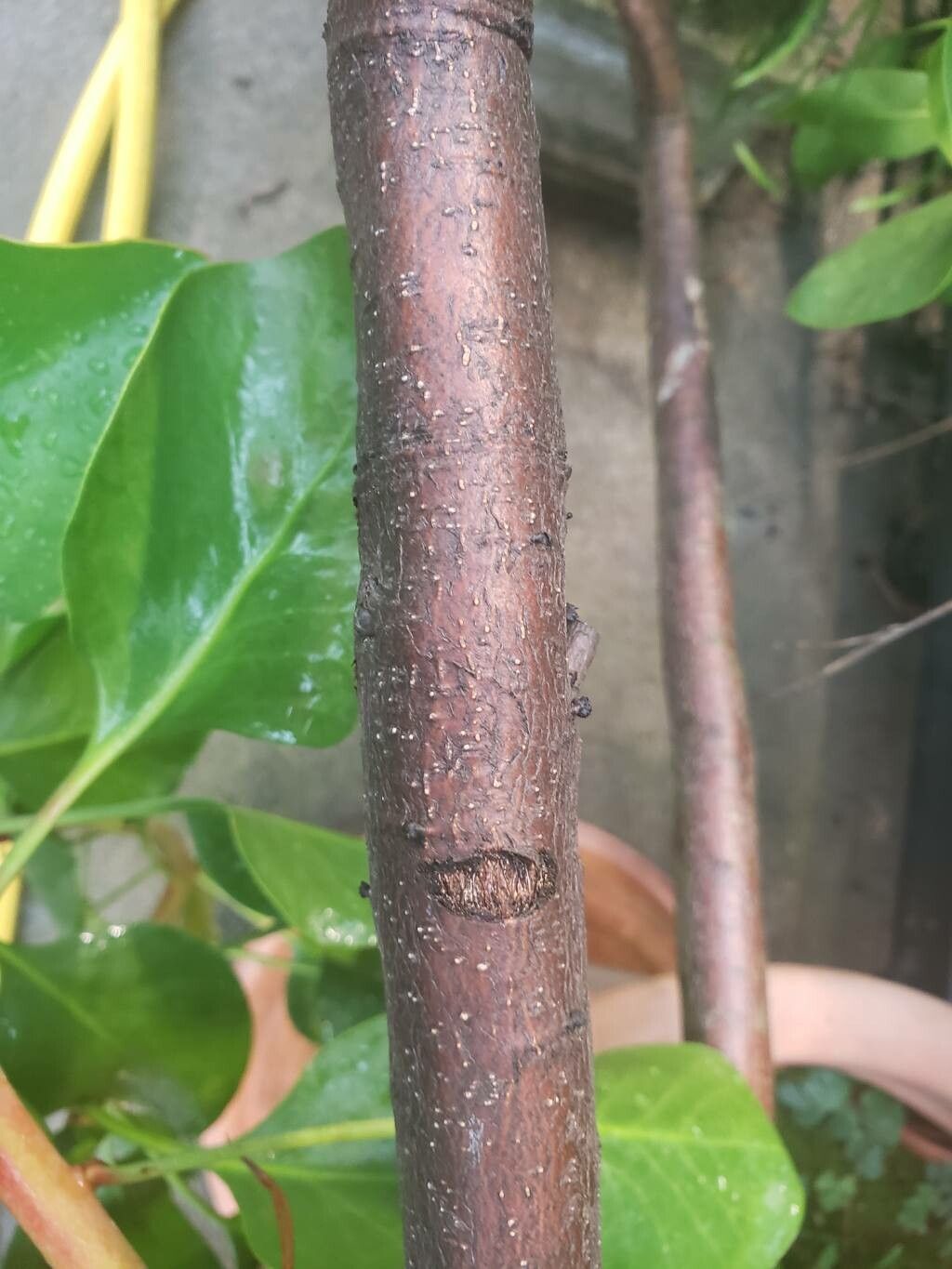
- Select Your Cuttings: Gently feel your protea plant and identify those semi-hardwood stems. Look for a section that has a few leaves and is about 4-6 inches long. You want to make your cut just below a leaf node (where a leaf attaches to the stem).
- Prepare the Cutting: Using your sterilized shears or knife, make a clean cut. Remove the leaves from the bottom half of the cutting. This prevents them from rotting in the soil and encourages energy to go towards root production. If there are any flower buds, remove them too.
- Apply Rooting Hormone: Dip the cut end of the stem into your rooting hormone powder, tapping off any excess. Make sure the bottom inch or so is well coated.
- Potting Up: Fill your clean pots with your well-draining mix. Make a small hole in the center with your finger or a pencil. Gently insert the cut end of the protea cutting into the hole, ensuring the entire bottom portion is covered by the mix. Firm the soil gently around the stem.
- Create Humidity: Water the pot lightly until you see water escaping the drainage holes. Then, cover the pot with a clear plastic bag (making sure the leaves don’t touch the plastic too much) or place it under a propagation dome. This creates a mini-greenhouse effect.
- Provide Warmth and Light: Place your potted cuttings in a bright location that doesn’t get direct, harsh sunlight. If you have a heat mat, place the pots on top of it. This gentle bottom heat is a game-changer.
The “Secret Sauce” (Pro Tips)
Here are a few things I’ve learned over the years that really make a difference:
- Don’t Let Those Leaves Touch the Water (or Soil!): When you’re preparing cuttings, any leaves that will be below the soil line or dipping into water (if you were doing water propagation, which I don’t usually recommend for proteas) are just invitations for rot. Be ruthless with your pruning!
- Bottom Heat is Your Best Friend: I cannot stress this enough. Proteas are notoriously slow to root, and that consistent, gentle warmth from below tells the plant “Hey, now’s the time to get growing down there!” It drastically speeds up the process and improves success rates.
- Air Circulation is Key, Even Under Cover: While humidity is important, stagnant air can lead to fungal issues. If you’re using a plastic bag, open it up for a few minutes each day to let fresh air circulate. If you have a propagation dome, look for one with adjustable vents.
Aftercare & Troubleshooting
Once your cuttings are potted, the waiting game begins. Keep the soil consistently moist but not waterlogged. Check for signs of new leaf growth; this is often a good indicator that roots are forming, though it can take weeks, even months.
The biggest enemy here is rot. If you see the cutting turning black and mushy, it’s likely a sign of too much moisture and not enough air circulation or drainage. Unfortunately, rotten cuttings are usually a lost cause. The best defense is a good offense: use that excellent draining mix and don’t overwater! If your cuttings look surprisingly healthy but just aren’t rooting after a very long time, they might not have enough warmth or the right conditions.
A Encouraging Closing
Propagating Protea neriifolia is a journey, not a race. Be patient with your little cuttings. Celebrate small victories, like seeing them perk up, and don’t get too discouraged if not every single one makes it. The process itself is so rewarding, and the chance to grow these magnificent blooms from your own efforts is truly special. Happy gardening!
Resource:
https://identify.plantnet.org/k-world-flora/species/Protea%20neriifolia%20R.Br./data