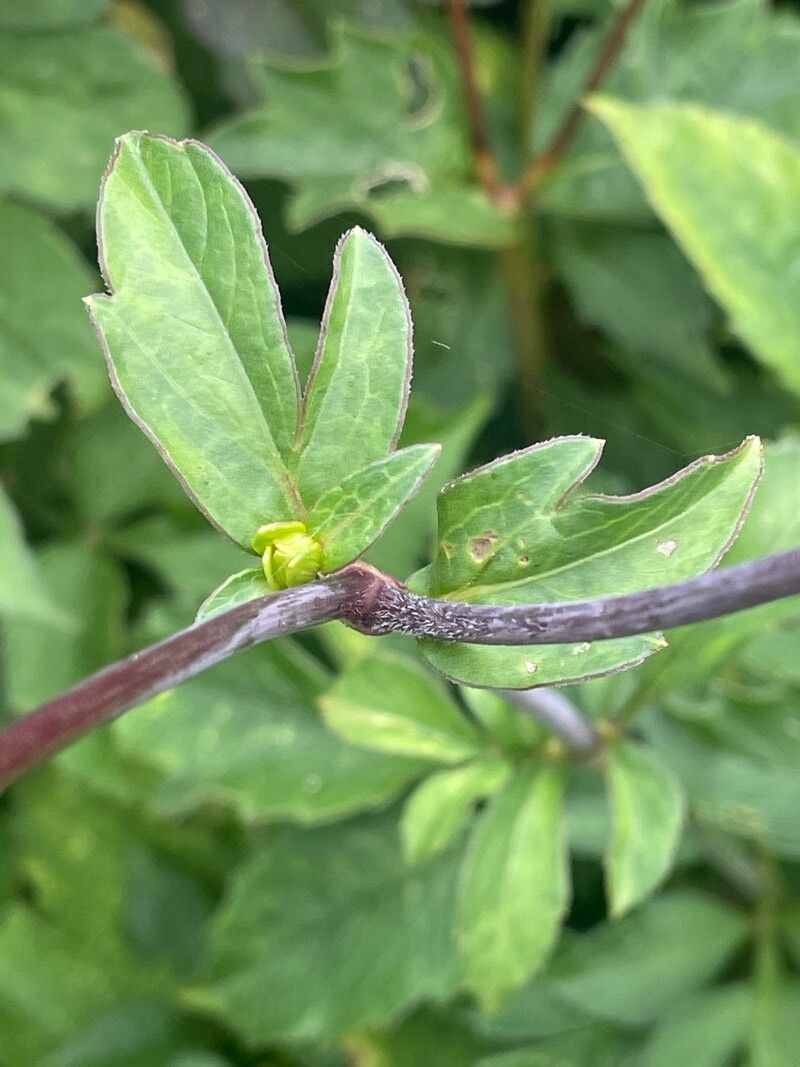
Hey there, fellow plant enthusiasts! I’m so excited to chat with you today about one of my all-time favorites: Dahlia coccinea. Those vibrant, fiery blooms are simply captivating, aren’t they? And the best part? You can easily bring more of that sunshine into your garden by propagating them yourself! It’s a wonderfully rewarding experience, and honestly, propagating Dahlia coccinea is quite beginner-friendly. You’ll be amazed at how simple it can be.
The Best Time to Start
Timing is everything in gardening, and for Dahlia coccinea, the sweet spot is early spring. Once the danger of frost has passed and your plants are starting to send up new shoots, that’s your cue. You’re looking for those fresh, tender stems that are about 3-6 inches long. This is when they have the most energy for rooting and will take off beautifully.
Supplies You’ll Need
Here’s what you’ll want to have on hand before you get started:
- Sharp pruning shears or a clean knife: For making precise cuts. Dull tools will just crush the delicate stems.
- Potting mix: A well-draining mix is crucial. I love using a blend of perlite, peat moss, and a bit of compost. You can also buy specific seedling or rooting mixes.
- Rooting hormone (optional but recommended): This liquid or powder stuff really gives your cuttings a boost, encouraging faster and stronger root development.
- Small pots or propagation trays: Anything that will hold your cuttings and the soil. Make sure they have drainage holes!
- Plastic bags or a clear propagation cover: To create a humid environment for your cuttings.
- Watering can or spray bottle: For gentle watering.
Propagation Methods
Let’s get our hands dirty! Here are the most common ways to propagate Dahlia coccinea:
Stem Cuttings: The Classic Approach
- Select your stem: Choose a healthy, non-flowering shoot from your established Dahlia coccinea plant. Look for one that’s about 3-6 inches long.
- Make the cut: Using your sharp shears or knife, make a clean cut just below a leaf node (that little bump where a leaf grows from the stem). This is where the magic happens for root formation.
- Prepare the cutting: Gently remove the lower leaves, leaving just the top set or two. If the leaves are very large, you can even cut them in half to reduce water loss.
- Dip in rooting hormone (if using): Lightly moisten the cut end and dip it into your rooting hormone powder or liquid. Tap off any excess.
- Plant it up: Fill your pots or trays with your prepared potting mix. Make a small hole with your finger or a pencil and insert the cutting, ensuring the lower leaf nodes are below the soil surface. Gently firm the soil around the stem.
- Water gently: Water the soil thoroughly but carefully. You don’t want to blast the cutting out of its new home!
- Create humidity: Cover the pots with a clear plastic bag or a propagation lid. This traps moisture and mimics the humid environment cuttings crave. Make sure the plastic doesn’t touch the leaves; you can use small stakes to prop it up if needed.
Water Propagation: The Visual Method
This is a fun one because you can see the roots forming!
- Prepare the cutting: Follow steps 1-3 from the stem cuttings method.
- Place in water: Find a clean jar or glass and fill it with clean, fresh water.
- Submerge: Place the cutting in the water, making sure the leaf nodes (where you removed the leaves) are submerged. Crucially, do not let the leaves themselves touch the water. This can lead to rot.
- Find a sunny spot: Place the jar in a bright location, but out of direct, intense sunlight.
- Change the water: Change the water every couple of days to keep it fresh and prevent bacterial growth.
- Pot up when rooted: Once you see inch-long roots appearing, it’s time to carefully transfer your cutting to soil, following the planting steps in the stem cutting method.
The “Secret Sauce” (Pro Tips)
These little tricks make a big difference:
- Bottom Heat is Your Friend: If you have a heat mat designed for seedlings, use it! Placing your pots on a gentle heat source mimics spring soil warmth and significantly speeds up root development. It’s a game-changer for getting cuttings to take.
- Don’t Be Afraid to Experiment (with a “Sacrifice”): Sometimes, a slightly older, woodier stem might surprise you and root well. While tender young shoots are ideal, if you have an extra bit, try it! You might discover a different method that works for you. Also, if you have a lot of cuttings, don’t be discouraged if a few don’t make it. It’s part of the learning process!
- The “Callus” Trick (for Division): If you’re dividing tubers (though stem cuttings are more common for Dahlia coccinea propagation in this context), once you’ve separated your pieces, let them sit out for a day or two in a dry, airy spot to form a protective callus over the cut surfaces. This helps prevent rot when you replant them.
Aftercare & Troubleshooting
Once your cuttings have developed a good root system (you’ll see roots peeking out of the drainage holes or feel resistance when gently tugging), it’s time for them to live in their own pot!
- Gradual Acclimation: If your cuttings were under a plastic cover, gradually remove it over a few days to let them adjust to normal humidity. Start by lifting it for an hour or two, then longer periods.
- Watering: Water them as you would any young plant – keep the soil consistently moist but not waterlogged.
- Light: Continue to provide bright, indirect light. As they grow stronger, you can introduce them to a bit more direct sun.
The most common issue you might encounter is rot. If your cutting looks mushy, black, or starts to wilt in a droopy, unpleasant way, it’s likely succumbed to rot. This is usually caused by too much moisture, poor drainage, or lack of air circulation. Don’t be discouraged! Just discard the rotted cutting and start again with fresh material and ensure your conditions are drier and airier next time.
Keep Growing!
Propagating Dahlia coccinea is a wonderful way to fill your garden with these stunning blooms. Be patient with your new little plants; they’re working hard to establish themselves. Enjoy the process, celebrate every tiny root, and soon you’ll have a whole host of your own vibrant Dahlia coccinea to admire and share! Happy gardening!
Resource:
https://identify.plantnet.org/k-world-flora/species/Dahlia%20coccinea%20Cav./data