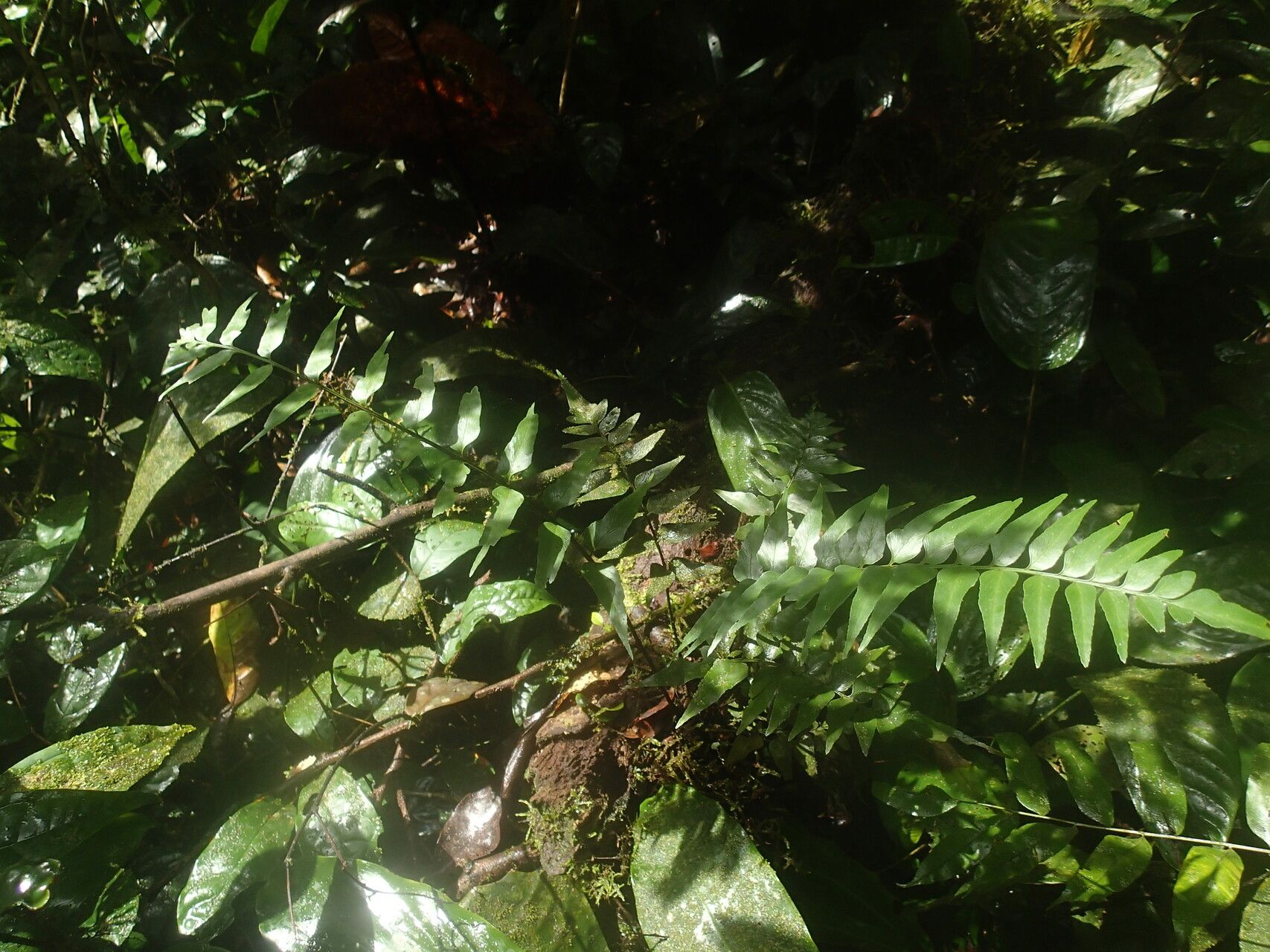
Well hello there, fellow plant lovers! I’m so excited to chat with you today about a truly special fern: Asplenium cancellatum. If you’ve ever seen one of these beauties, you know its intricate, lacy fronds are just captivating. They have a delicate, almost ethereal look that can bring a touch of magic to any shady corner of your home or garden. And the best part? Propagating them is a wonderfully rewarding journey. Now, I’ll be honest, Asplenium cancellatum isn’t always the easiest plant to get started from scratch, but with a little patience and the right approach, it’s absolutely doable. Don’t let that deter you; the success feels all the sweeter!
The Best Time to Start
For ferns like Asplenium cancellatum, spring is truly your best friend. Think of it as the plant’s natural awakening after a period of rest. As the days get longer and warmer, and the plant is actively putting out new growth, it’s got all the energy it needs to dedicate to rooting and establishing itself. So, aim to propagate after the last frost if you’re outdoors, or when you notice your existing plant unfurling fresh, vibrant fronds.
Supplies You’ll Need
Gathering your tools beforehand makes the whole process so much smoother. Here’s what I always have on hand:
- Sharp, clean pruning shears or a razor blade: Precision is key to avoiding ripped stems.
- Well-draining potting mix: I love a blend of peat moss, perlite, and a touch of orchid bark. A mix specifically for ferns is also excellent.
- Small pots or propagation trays: Ensure they have drainage holes!
- Hormone rooting powder (optional but helpful): This little boost can speed things up.
- A mister bottle: For keeping humidity levels up.
- Clear plastic bags or a propagation dome: To create a mini greenhouse effect.
Propagation Methods
While Asplenium cancellatum can be a bit stubborn, the most reliable method is division. It’s how I’ve had the most consistent success.
Division:
- Gently unpot your mature plant. Try to do this when the soil is slightly moist, as it helps the roots hold together.
- Inspect the root ball. Look for distinct sections where the plant is naturally growing outwards, often with their own set of roots and leafy growth.
- Using your clean shears or even your hands (if the plant is small enough), carefully separate these sections. The goal is to get each division with a good portion of healthy roots attached. If the roots are really tangled, you might need to gently tease them apart. Don’t be afraid to disturb them a little; they’re tougher than they look!
- Pot up each division. Use your well-draining potting mix in separate small pots. Make sure the roots are spread out and covered.
- Water thoroughly until water runs out of the drainage holes.
The “Secret Sauce” (Pro Tips)
Here are a couple of tricks I’ve learned over the years that can really make a difference:
- Don’t over-pot. When you divide, use pots that are just slightly larger than the root ball of each new division. Too much soil can hold excess moisture and lead to rot, which is the bane of any fern’s existence.
- Mimic the rainforest. These ferns, like most, adore humidity. Once you’ve potted your divisions, water them lightly, then cover the pots with a clear plastic bag or a propagation dome. This creates a humid environment that encourages root development. Just be sure to air them out for a few minutes each day to prevent fungal issues.
Aftercare & Troubleshooting
Once your divisions are potted up, place them in a bright spot with indirect light. Direct sun will scorch those delicate new fronds. Keep the soil consistently moist but not waterlogged. You’ll know roots are forming when you see new frond growth appearing, or when you gently tug on the plant and feel resistance.
The most common issue you’ll encounter is rot. This usually happens when the soil is too wet for too long, or if there isn’t enough air circulation. If you see a division turning mushy and brown, or developing black spots, it’s a sign of trouble. At this point, unfortunately, it’s often best to discard it to prevent it from spreading. Sometimes, though, a little bit of yellowing is just the plant adjusting to its new home. Observe carefully!
A Little Patience, A Lot of Joy
Propagating Asplenium cancellatum is a bit of an art, and like any art, it takes practice and patience. Don’t get discouraged if your first attempt isn’t a roaring success. Each try teaches you something new about your plant and its needs. Celebrate the small victories, enjoy the process of nurturing new life, and before you know it, you’ll have a little forest of these gorgeous ferns to share (or keep all to yourself!). Happy growing!
Resource:
https://identify.plantnet.org/k-world-flora/species/Asplenium%20cancellatum%20Alston/data