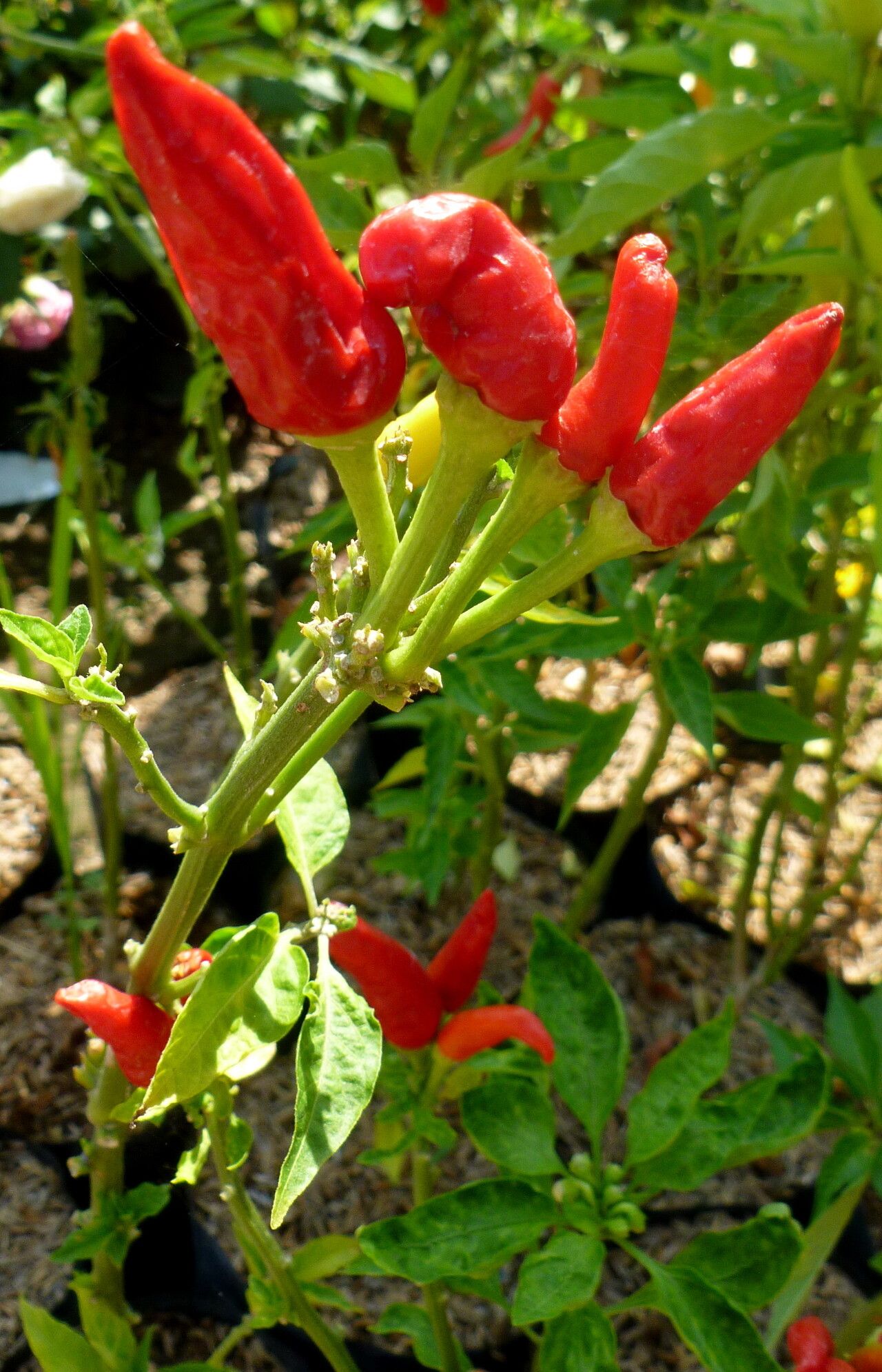
Oh, hot peppers! If you’re anything like me, you’ve fallen a little (or a lot!) in love with the incredible diversity and flavor that Capsicum chinense varieties bring to the kitchen. From the fruity notes of a Scotch Bonnet to the intense fire of a Ghost Pepper, these plants are a gardener’s delight. And guess what? Propagating them yourself is a wonderfully rewarding way to expand your collection or share the heat with friends. Now, I wouldn’t say chinense is for the absolute beginner who’s never touched a seed, but if you’re comfortable with basic gardening, you’ll find propagating them quite manageable. It’s a fantastic next step!
The Best Time to Start
My personal favorite time to get going with chinense propagation is in the spring, just as the days start getting longer and warmer. Think April or May here in the Northern Hemisphere. This gives you plenty of time for the new plants to establish themselves before fall. You’re looking for healthy, vigorous mother plants that are actively growing. Avoid taking cuttings from plants that are stressed, flowering heavily, or just finished producing fruit.
Supplies You’ll Need
Gathering your tools ahead of time makes the whole process smoother. Here’s what I usually have on hand:
- Sharp Pruning Shears or a Clean Knife: For making clean cuts. This is crucial!
- Potting Mix: A well-draining mix is key. I like a blend of potting soil, perlite, and a little coco coir. Some people use seed-starting mix, which works too.
- Small Pots or Seedling Trays: About 3-4 inch pots are perfect for cuttings.
- Rooting Hormone: This is optional but seriously speeds things up and increases success rates. Gel is my preferred type.
- Watering Can with a Fine Rose or a Spray Bottle: For gentle watering.
- Clear Plastic Bags or a Propagator Lid: To create a humid environment.
- Labels and a Marker: So you don’t forget what’s what!
- Optional: Heating Mat: For consistent bottom warmth, which is a game-changer.
Propagation Methods
There are a couple of ways we can go about this, but my go-to method for Capsicum chinense is stem cuttings. It’s reliable and directly replicates the parent plant’s traits.
Stem Cuttings: Step-by-Step
- Select Your Cutting: Find a healthy stem on your mature plant. Look for a piece of stem that’s about 4-6 inches long and has at least two sets of leaves. Ideally, it should be from a side shoot that’s a bit woody at the base but still has healthy green growth at the tip.
- Make the Cut: Using your clean, sharp shears or knife, make a clean cut just below a leaf node. A leaf node is where a leaf attaches to the stem – that’s where the magic (roots!) will happen.
- Prepare the Cutting: Gently remove the leaves from the bottom half of your cutting. You want to expose at least one or two leaf nodes underwater or in the soil. If the remaining leaves are very large, you can trim them in half to reduce water loss.
- Apply Rooting Hormone: Dip the cut end of the stem into your rooting hormone. Tap off any excess. This stuff really helps give your cutting a head start.
- Potting Up: Fill your small pots with your moistened potting mix. Make a small hole in the center with your finger or a pencil. Carefully insert the cut end of your prepared stem cutting into the hole, making sure the root hormone remains in contact with the soil. Gently firm the soil around the stem.
- Create Humidity: Water the soil gently. Then, cover the pot with a clear plastic bag (tenting it up so it doesn’t touch the leaves) or place it inside a propagator with the lid on. This humidity dome is crucial for preventing the cutting from drying out before it grows roots.
Water Propagation (for the patient observer!)
Alternatively, you can try water propagation. After taking your cutting and preparing it (steps 1-3 above), simply place the bottom half of the stem into a jar or glass of clean water. Make sure the leaf nodes are submerged but the leaves themselves are above the water line. Place it in a bright spot, out of direct sun. Change the water every few days to keep it fresh. You’ll be able to watch the roots develop, which is pretty neat! Once the roots are a couple of inches long, you can carefully transplant them into soil. This method can sometimes be a bit trickier to transition to soil, so I tend to favor the soil method.
The “Secret Sauce” (Pro Tips)
Here are a couple of things I’ve learned over the years that make a big difference:
- Bottom Heat is Your Friend: Chinense varieties love warmth, and so do their developing roots. Placing your pots on a heating mat set to around 75-80°F (24-27°C) will significantly speed up root development and increase your success rate. You can usually find affordable seedling heating mats online.
- Don’t Let Those Leaves Drip: If you’re using a humidity dome, ensure no leaves are touching the condensation. When leaves sit in stagnant water or condensation for too long, they can rot. A quick poke to adjust the bag or lid can prevent this.
- Patience is a Virtue, Especially with Peppers: Don’t pull your cuttings out too soon to check for roots! Give them at least three to four weeks, and often longer, especially if you’re not using bottom heat. You’ll often see new leaf growth, which is a good sign, but the real test is a gentle tug – if there’s resistance, you’ve got roots!
Aftercare & Troubleshooting
Once you see those roots developing (either by seeing new growth, feeling resistance when you gently tug, or even peeking at them in the water propagation jar), it’s time for a little adjustment.
If you used a humidity dome, start gradually acclimating your new plant to the drier air. Remove the bag or propagator lid for an hour or two each day, then gradually increase the time over a week. Still keep the soil consistently moist but not waterlogged. As the plant grows, you can repot it into a slightly larger container with fresh potting mix.
The most common problem you’ll face is rot. This usually happens if the soil is too wet and there’s not enough air circulation, or if your cuttings are sitting in stagnant water. If you see a cutting start to look black and mushy, or if leaves are falling off rapidly with no sign of roots, it’s probably a lost cause. Don’t despair! Just try again, maybe adjusting your watering or humidity levels. Sometimes, a healthy plant just fails to root for reasons we never quite figure out – that’s gardening for you!
A Encouraging Closing
See? It’s not as daunting as it might sound. Propagating your Capsicum chinense plants is a fantastic way to connect with your garden on a deeper level. Be patient with the process, celebrate every little success, and don’t be afraid to get your hands dirty. Before you know it, you’ll have a whole new batch of fiery friends ready to grace your garden and your plate! Happy propagating!
Resource:
https://identify.plantnet.org/k-world-flora/species/Capsicum%20chinense%20Jacq./data