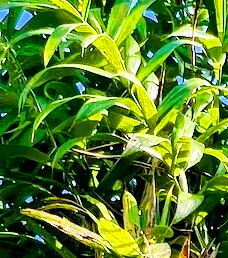
Oh, hello there! Pull up a chair and let’s chat about a truly delightful palm: Bactris campestris. If you’re looking for a splash of the tropics in your garden or home, this one is a winner. Its slender, elegant stems, often adorned with striking ringed patterns from old leaf bases, lend such a graceful presence. And the reward of growing your own from a tiny start? Pure gardening joy, I tell you!
Now, is Bactris campestris a walk in the park for brand-new gardeners? Honestly, I’d say it’s best tackled by those who have a little experience under their belt. It’s not overly fussy, but it does appreciate a bit of knowledge and care. Don’t let that deter you, though – with a few pointers, you’ll be well on your way.
The Best Time to Start
For Bactris campestris, like many palms, the warmer months are your best friends. I find that late spring through early summer is absolutely prime time. This is when the plant is actively growing, full of energy, and much more receptive to taking root. Starting when it’s naturally vigorous really boosts your chances of success.
Supplies You’ll Need
Here’s what I always have on hand when I’m propagating:
- Sharp Pruning Shears or a Clean Knife: For making clean cuts.
- Well-Draining Potting Mix: I like a blend of peat moss, perlite, and some coarse sand – think about something that drains as fast as a sieve!
- Rooting Hormone (Optional but Recommended): A powder or gel can give your cuttings a helpful nudge.
- Small Pots or Trays: Clean containers with drainage holes are a must.
- Clear Plastic Bag or Humidity Dome: To keep things nice and moist.
- Watering Can with a Fine Rose: For gentle watering.
- Labeling Stakes: To keep track of your efforts!
Propagation Methods
Let’s get our hands dirty! For Bactris campestris, the most reliable method is division. These palms often produce offshoots, or “pups,” that are perfect for starting anew.
- Identify a Pup: Look for a smaller, well-formed stem emerging from the base of the mature plant. It should have a few leaves and, ideally, some visible roots starting to form.
- Gently Excavate: Carefully dig around the base of the mother plant and the pup. You want to expose the roots connecting them without causing too much damage. Sometimes, you can simply pull them apart if they’re not too deeply entwined.
- Make the Cut: If the roots are tangled, use your clean shears or knife to separate the pup from the mother plant. Try to get as many roots attached to the pup as possible. It’s okay if you have to make a clean cut through some roots; just aim for the lowest possible point near the pup’s base.
- Trim Excess Foliage: Remove about half of the fronds from the pup. This reduces water loss while the roots are trying to establish.
- Apply Rooting Hormone (If Using): Dip the cut end of the pup into rooting hormone, tapping off any excess.
- Potting Up: Plant the pup in a small pot filled with your well-draining potting mix. Make sure the base of the pup is level with the soil surface.
- Watering: Water thoroughly but gently to settle the soil.
The “Secret Sauce” (Pro Tips)
Here are a couple of my little tricks that often make a difference:
- Don’t Over-Pot: Starting your divisions in pots that are too large can lead to the soil staying wet for too long, which is the enemy of healthy roots. A snug pot is where new roots feel most secure and encouraged.
- Bottom Heat is Your Friend: If you have access to a propagation mat, place your potted divisions on it. A gentle warmth from below really encourages root development. It mimics the natural warmth of the soil that the plant loves.
Aftercare & Troubleshooting
Once your Bactris campestris pup is potted, the real waiting game begins.
- Humidity is Key: Cover the pot with a clear plastic bag or a humidity dome. This creates a mini-greenhouse effect, keeping the humidity high, which is crucial while the roots are developing. Open it up for a quick air exchange every few days to prevent mold.
- Bright, Indirect Light: Place your new plant in a spot with bright light but no direct, scorching sun. A shaded patio or a bright windowsill would be perfect.
- Water Sparingly: Keep the soil consistently moist, but never soggy. It’s better to underwater slightly than to overwater. You’ll know it’s time to water when the top inch of soil feels dry.
- Watch for Roots: After a few weeks, you might start to see new growth emerging. This is a good sign! You can also gently tug on the plant; if there’s a bit of resistance, roots are likely forming.
- Troubleshooting Rot: The most common issue is root or stem rot, which is usually caused by overwatering and poor drainage. If you see mushy stems or the plant wilts dramatically and doesn’t perk up, it might be rot. In this case, it’s often best to start fresh, ensuring your soil and watering practices are spot on next time.
A Encouraging Closing
Propagating Bactris campestris is such a rewarding endeavor. It takes a little patience, a keen eye, and the right touch, but watching a new little palm sprout and grow is a truly special experience. Don’t be discouraged if your first attempt isn’t perfect; gardening is all about learning and growing alongside our plants. Happy propagating, and enjoy the tropical beauty you’re bringing to life!
Resource:
https://identify.plantnet.org/k-world-flora/species/Bactris%20campestris%20Poepp./data