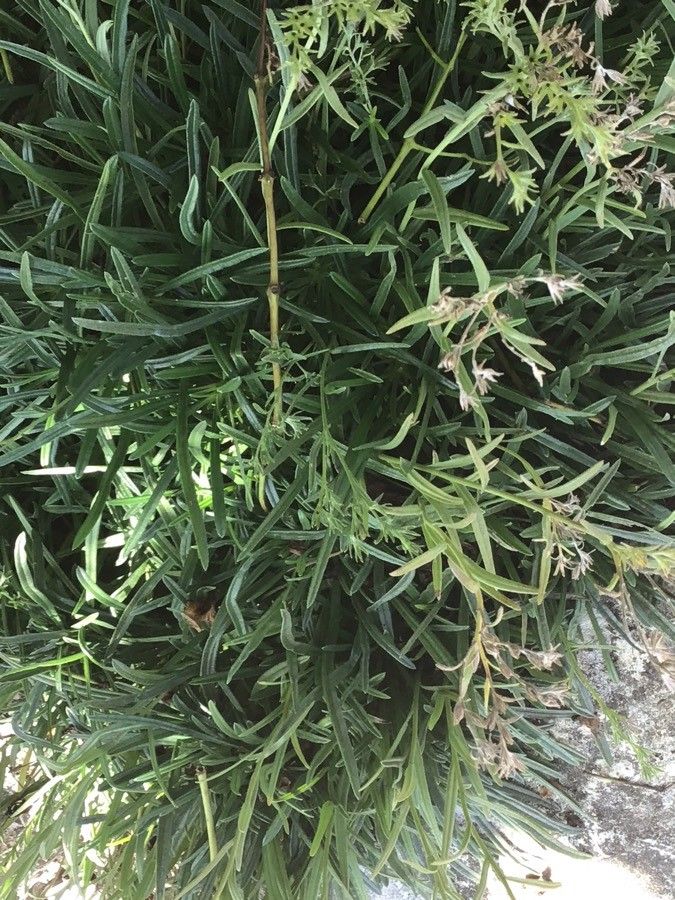
Oh, hello there! Come on in and grab a mug, let’s chat about something truly special: Moltkia suffruticosa. If you haven’t met this little beauty yet, imagine a low-growing shrub, an absolute darling for rock gardens and borders. It’s adorned with delicate, sky-blue bell-shaped flowers, often appearing in late spring and then again in flushes throughout the summer. It brings a quiet elegance, a splash of soft color that’s just divine. And the best part? Propagating it is a truly rewarding endeavor. It might seem a bit fussy at first glance, but with a little patience and a few key tricks, you’ll find it’s quite manageable.
The Best Time to Start
For Moltkia suffruticosa, your best bet is usually mid-spring to early summer. This is when the plant is actively growing, and you’ll be taking cuttings from healthy, new shoots. These young stems have plenty of vigor and are more inclined to root successfully than older, woodier growth. Think of it as catching the plant at its energetic peak!
Supplies You’ll Need
Gathering your tools beforehand makes the whole process smoother. Here’s what I always have on hand:
- Sharp pruning shears or a clean knife: For making precise cuts.
- Rooting hormone: Not strictly essential for every plant, but it gives your cuttings a significant boost. I prefer a powder or gel.
- Well-draining potting mix: A blend of equal parts perlite and peat moss (or coir) works wonders. You can also find specific “seedling and cutting mixes” at your local garden center.
- Small pots or seed trays: Make sure they have drainage holes!
- Plastic bags or a propagation dome: To create a humid environment for your cuttings.
- Watering can or spray bottle: For gentle watering.
- Optional: Heat mat: This can really speed up root development, especially if your propagation space is a bit cool.
Propagation Methods
Now, let’s get our hands dirty! For Moltkia suffruticosa, stem cuttings are generally the most reliable method.
- Take Your Cuttings: In spring or early summer, look for healthy, non-flowering shoots that are about 3-4 inches long. Using your clean shears or knife, make a clean cut just below a leaf node (where the leaf attaches to the stem). Gently remove the leaves from the bottom half of the cutting, leaving just a few at the top.
- Prepare the Cuttings: Dip the cut end into your rooting hormone, ensuring it’s lightly coated. Tap off any excess – we don’t want too much clumping.
- Plant the Cuttings: Fill your small pots or trays with your prepared, moistened potting mix. Make a small hole with a pencil or your finger, and gently insert the cutting, firming the soil around it. You can plant several cuttings in one pot, leaving a little space between them.
- Create a Humid Environment: Water the soil gently. Then, cover the pots with a plastic bag or place them under a propagation dome. This traps moisture, preventing the cuttings from drying out too quickly. Ensure the plastic doesn’t directly touch the leaves.
- Provide Warmth and Light: Place your pots in a bright spot but out of direct sunlight. If you have a heat mat, place the pots on it.
The “Secret Sauce” (Pro Tips)
Here are a couple of little secrets I’ve picked up over the years that can really make a difference:
- Don’t Let the Leaves Touch the Water (if propagating in water): While I generally recommend soil propagation for Moltkia, if you do try a water cutting, never let the leaves dip into the water. They’ll rot before they even have a chance to root. Just the stem end should be submerged.
- Use Bottom Heat Whenever Possible: This is a game-changer! A gentle warmth from below, around 70-75°F (21-24°C), will significantly encourage root development. It mimics the warmth of the soil in spring and gives your cuttings that extra nudge they need.
- Be Patient with Multiple Cuttings: When you plant a batch of cuttings, don’t be discouraged if not all of them take. Some might be a bit slower than others. Keep the humidity up and the light consistent, and you might be surprised by what roots later on.
Aftercare & Troubleshooting
Once you start to see signs of rooting – typically new leaf growth or a gentle tug resistance when you lightly pull on a cutting – it’s time for a little shift in care.
Gradually reduce the humidity by opening the plastic bag a little more each day over a week. Continue to keep the soil consistently moist but not waterlogged. Once they have a good root system, you can transplant them into slightly larger pots of a good quality potting mix.
Now, let’s talk about what can go wrong. The biggest culprit for cuttings failing is rot. If you see your cuttings turning black and mushy, it’s usually a sign of too much moisture and not enough air circulation. Make sure your soil drains really well and don’t overwater. Also, drying out completely is a death sentence for delicate cuttings, so consistent moisture is key.
A word of encouragement
Remember, gardening is a journey, and propagation is a beautiful part of that. Be patient with your little Moltkia cuttings. Celebrate every tiny new leaf, every hint of root. Enjoy the process of nurturing these new lives, and soon you’ll have more of these lovely blue bells to share or enjoy yourself. Happy propagating!
Resource:
https://identify.plantnet.org/k-world-flora/species/Moltkia%20suffruticosa%20(L.)%20Brand/data