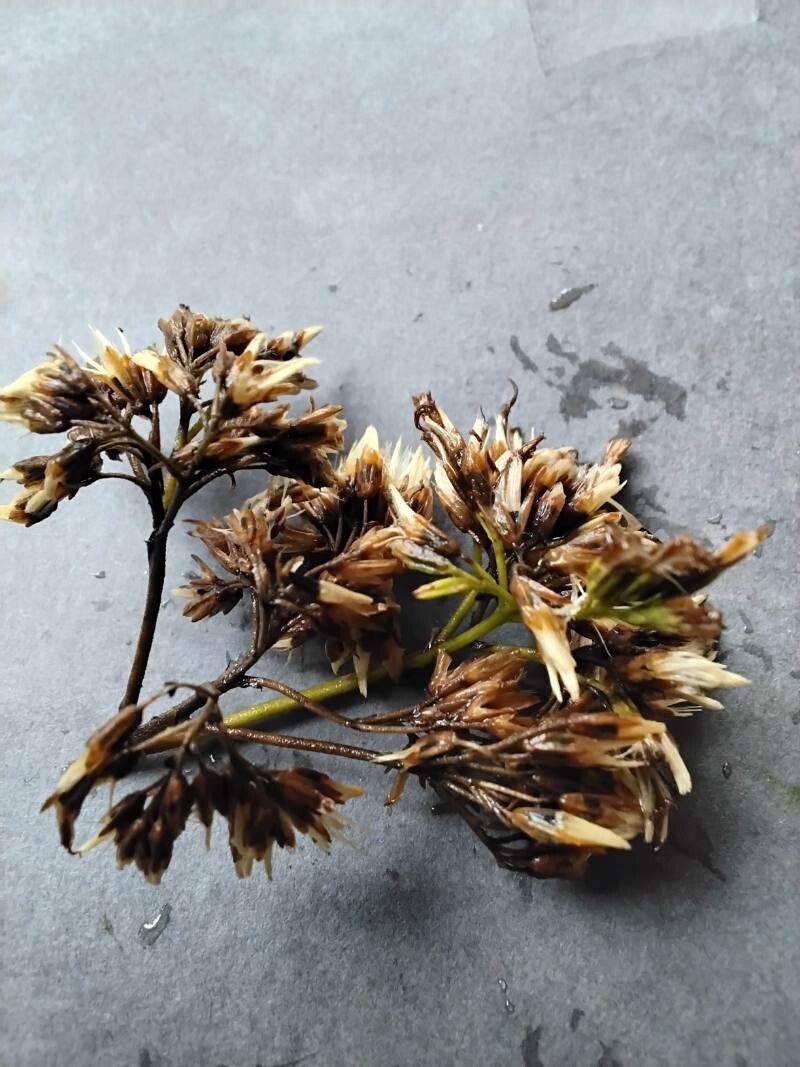
Hello there, fellow garden enthusiasts! It’s a joy to connect with you today. If you’ve ever admired those towering, elegant spires of Eutrochium purpureum, also known as Joe Pye Weed, you know what a magnificent addition it makes to any garden. Its late-summer blooms, a beautiful dusky rose or purple, are magnets for bees and butterflies, creating a buzzing, vibrant spectacle. And the best part? You can easily multiply this garden star yourself! Propagating Joe Pye Weed is surprisingly straightforward, making it a truly rewarding endeavor, even for those just dipping their toes into the world of plant propagation.
The Best Time to Start
For the absolute best chances of success, spring is your golden ticket. Aim to propagate Joe Pye Weed just as new growth begins to emerge. This is when the plant has plenty of energy stored from the previous season, and it’s primed for vigorous development. You can also have success with cuttings in early summer, but spring offers that extra bit of oomph.
Supplies You’ll Need
Here’s what you’ll want to have on hand before you get started:
- Sharp, clean pruning shears or a sharp knife: Essential for making clean cuts.
- Rooting hormone (optional but recommended): Especially helpful for cuttings, it encourages faster and stronger root development.
- A good quality potting mix: I prefer a mix that’s well-draining, often a blend of peat moss, perlite, and a bit of compost.
- Small pots or trays: For your cuttings or divisions. Make sure they have drainage holes!
- A watering can with a fine rose nozzle: To avoid disturbing your young plants.
- A plastic bag or a propagator lid: To create a humid environment for cuttings.
- A trowel or a sturdy hand fork: For digging up and dividing mature plants.
Propagation Methods
Let’s get our hands dirty! Joe Pye Weed can be propagated through a couple of main methods.
Stem Cuttings
This is my go-to for increasing my collection!
- Take your cuttings: In spring, when the new shoots are about 6-8 inches long and still somewhat soft, select healthy, vigorous stems. Using your clean shears, make a cut just below a leaf node (where the leaf joins the stem). Remove the lower leaves, leaving just a couple at the top.
- Prepare the cuttings: If you’re using rooting hormone, dip the cut end of each stem into it. Gently tap off any excess.
- Plant the cuttings: Fill your small pots with your potting mix. Make a hole with your finger or a pencil and insert the cut end of the stem, firming the soil gently around it.
- Create humidity: Water the soil lightly. Then, place the pots inside a plastic bag or cover them with a propagator lid to maintain high humidity. You can prop the bag open slightly with a few sticks to prevent the leaves from touching the plastic.
- Find a bright spot: Place the pots in a bright location but out of direct, scorching sunlight.
Division
This is a fantastic way to rejuvenate older clumps and get more plants!
- Dig ’em up: In early spring, before new growth becomes too robust, dig around the base of a mature Joe Pye Weed plant. Carefully lift the entire clump out of the ground.
- Tease and separate: You can often separate the clump with your hands. If it’s a bit stubborn, use a trowel or a sturdy hand fork to gently divide the roots into sections. Each section should have at least a few healthy buds or shoots and a good portion of root.
- Replant immediately: Find their new homes (or put them in pots) and replant them at the same depth they were growing before. Water them well.
The “Secret Sauce” (Pro Tips)
Here are a few little tricks I’ve picked up over the years that make a big difference:
- Don’t let the leaves touch the water (for cuttings): If you’re trying the water propagation method (though I find soil cuttings more reliable for Joe Pye Weed), make sure the leaves aren’t submerged. Rot sets in fast when they are!
- Bottom heat is your friend: If you’re serious about cuttings, placing your pots on a heated propagator mat can significantly speed up root formation. It mimics that lovely, warm spring soil.
- Label everything! It sounds silly, but trust me, a few weeks down the line, you’ll thank yourself for taking the time to label your pots with the plant type and the date you took the cuttings.
Aftercare & Troubleshooting
Once you see signs of new growth or feel some resistance when gently tugging on a cutting, it’s a good indicator that roots have formed!
- Acclimatize your cuttings: Gradually introduce your rooted cuttings to less humid conditions by opening the plastic bag or propagator a little each day over a week.
- Water consistently: Keep the soil consistently moist but not waterlogged. You can begin feeding them with a diluted liquid fertilizer once they’ve established themselves in their new pots.
- Watch out for rot: The most common problem is rot, signaled by mushy, black stems or leaves. This is usually due to overwatering or poor drainage. If you spot it, remove the affected parts immediately and try to give the soil more airflow. Sometimes, saving a rotted cutting is impossible, but don’t get discouraged!
A Little Patience Goes a Long Way
Gardening is a journey, and propagation is a wonderful way to become more connected to your plants. Be patient with your new Joe Pye Weed babies. Give them time to establish strong roots, and before you know it, you’ll have a whole new patch of these magnificent blooms to enjoy and share. Happy gardening!
Resource:
https://identify.plantnet.org/k-world-flora/species/Eutrochium%20purpureum%20(L.)%20E.E.Lamont/data