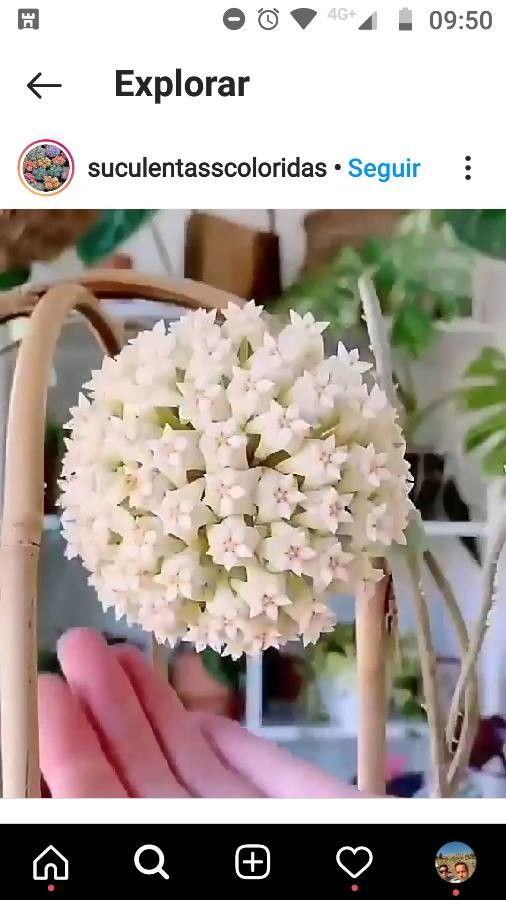
Hello there, fellow plant lovers! It’s so lovely to have you here in my little corner of the garden world. Today, we’re diving into the enchanting realm of Hoya loyceandrewsiana. If you’ve ever been captivated by those velvety, heart-shaped leaves and the promise of those delicate, star-like blooms, then you’re in for a treat! Propagating this beauty is like getting a secret key to a treasure chest – it’s incredibly rewarding to share cuttings with friends or simply to watch your own collection grow. Now, is Hoya loyceandrewsiana a breeze for absolute beginners? I’d say it’s a gentle nudge into the world of Hoya propagation. It requires a little patience and observation, but it’s far from daunting once you understand a few key things.
The Best Time to Start
My favorite time to start propagating Hoyas, especially loyceandrewsiana, is during active growth periods, which typically fall in the late spring and summer months. The plant is full of energy then, making it more receptive to rooting and less stressed by taking cuttings. You can certainly try in other seasons, but you might find the rooting process a bit slower. Look for new, healthy growth – not the super soft, brand-new shoots, but those that are firming up nicely.
Supplies You’ll Need
Gathering your tools before you begin makes the whole process much smoother. Here’s what I always have on hand:
- Sharp Pruning Shears or Scissors: Cleanliness is key! I prefer a sharp pair of bypass pruners.
- Hoya Potting Mix: A very chunky, well-draining mix is crucial. I like to blend about equal parts perlite, orchid bark, and coco coir. Some growers even add a bit of charcoal.
- Small Pots or Seedling Trays: Whatever you choose, make sure they have drainage holes.
- Rooting Hormone (Optional but Recommended): A good quality powder or gel can significantly speed up rooting.
- Watering Can or Spray Bottle: For gentle watering.
- Clear Plastic Bags or a Propagator: To create a humid environment.
- A Small Knife or Dibber: For gently making holes in the soil.
- Soft Labels and a Pen: To keep track of your precious new plants!
Propagation Methods
Hoyas are wonderfully versatile, and Hoya loyceandrewsiana is no exception. Here are my go-to methods:
1. Stem Cuttings (My Favorite)!
This is generally the most successful and straightforward method for this Hoya.
- Select Your Cutting: Look for a healthy stem that has at least two sets of leaves and, ideally, a small aerial root (those little brown nubs that pop out). Cut the stem about 2-3 inches long, making your cut just below a leaf node (where the leaf attaches to the stem).
- Prepare the Cutting: Gently remove the lower leaf or two from the cutting, exposing the stem node. This is where the roots will emerge. If using rooting hormone, dip the cut end into it, tapping off any excess.
- Planting: Fill your small pot with your prepared Hoya mix. Use your dibber or finger to make a small hole in the center. Carefully insert the cut end of the Hoya stem into the hole, ensuring the leaf node is buried in the soil. Gently firm the soil around the stem.
- Watering: Water thoroughly but gently. You want the soil to be moist but not waterlogged.
2. Water Propagation
This method is visually satisfying but can sometimes lead to softer roots that may struggle to transition to soil.
- Prepare the Cutting: Take a healthy stem cutting as described above, ensuring it has at least two leaf nodes. Remove the lower leaves.
- Place in Water: Find a clean glass or jar and fill it with fresh, room-temperature water. Submerge the cut end of the Hoya stem, making sure at least one leaf node is underwater. Crucially, do not let the leaves touch the water. This can cause them to rot.
- Location: Place the jar in a bright, indirect light location. Change the water every few days to keep it fresh and prevent bacterial growth.
- Rooting: You’ll start to see tiny white roots emerge from the leaf nodes. Once these roots are about an inch long, it’s time to transplant them into soil.
The “Secret Sauce” (Pro Tips)
Here are a few tricks I’ve learned over the years that really help boost your success rate:
- Don’t Be Afraid of Aerial Roots: If your cutting already has a little aerial root, that’s fantastic! It’s a sign the plant is already thinking about establishing itself. Make sure this forms the part that goes into the soil.
- Bottom Heat is Your Friend: Hoyas love warmth, and their roots do too. Placing your potted cuttings on a seedling heat mat set to a low temperature (around 70-75°F or 21-24°C) can dramatically speed up root development. It creates that cozy, tropical environment they adore.
- The Humid Tent Method: After planting your cuttings, I like to create a mini-greenhouse effect. You can either place the entire pot inside a clear plastic bag (making sure the leaves don’t touch the bag) or cover it with a clear plastic dome. This keeps humidity high, which is essential for the cuttings to root without drying out. Just remember to open the bag or dome for a bit each day to allow for air circulation and prevent fungal issues.
Aftercare & Troubleshooting
Once you see those precious roots emerging (it can take anywhere from a few weeks to a couple of months), it’s time to adjust your care slightly.
- Transplanting: If you propagated in water, carefully transplant your rooted cutting into your well-draining Hoya mix. Start watering as you would a mature Hoya, but be gentle. The new roots are delicate. If you propagated directly in soil, continue to keep the soil consistently moist but not soggy.
- Light: Keep your new beginnings in bright, indirect light. Avoid direct sun, which can scorch tender new growth.
- Patience is Key: New leaf growth is the ultimate sign of success! Don’t be discouraged if it takes a while.
- Troubleshooting: The most common issue you’ll face is rot. If your cutting looks limp, mushy, or has turned black, rot has likely set in. This is usually due to overwatering or poor drainage. If you catch it early, you can try cutting away the rotten parts and re-rooting the healthy bit. If the whole cutting is affected, it’s best to start again. Another sign of failure is if the cutting shrivels up and becomes completely dry – this indicates it didn’t root and dried out.
And there you have it! Propagating Hoya loyceandrewsiana is a journey filled with anticipation and, with a little care and attention, usually a lot of success. Be patient with yourself and your cuttings. Each leaf that unfurls, each new root that appears, is a little victory. Enjoy the process, and soon you’ll have even more of these delightful Hoya treasures to love! Happy propagating!
Resource:
https://identify.plantnet.org/k-world-flora/species/Hoya%20loyceandrewsiana%20T.Green/data