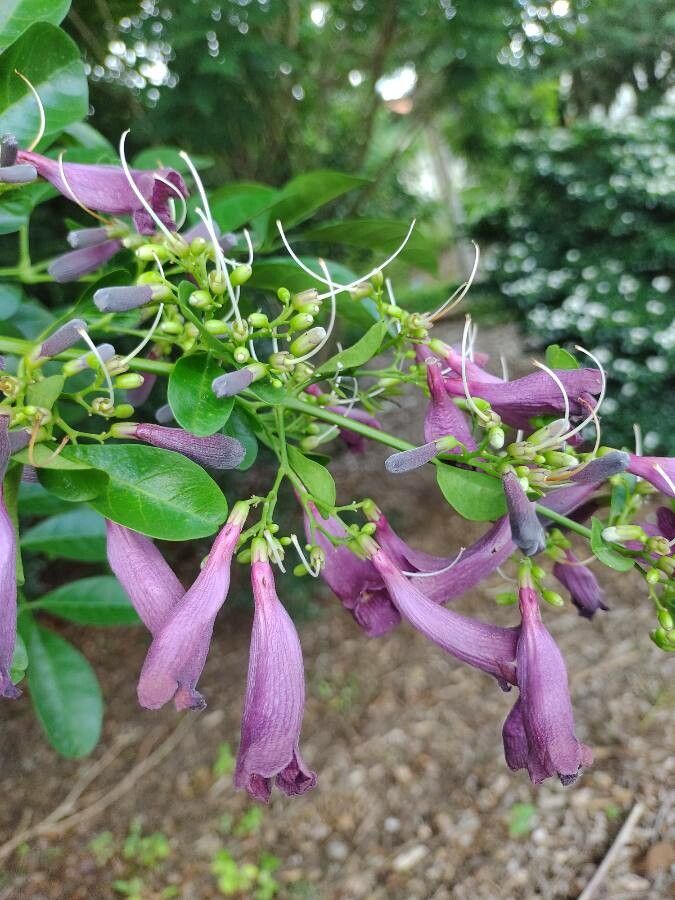
Oh, the Jacaranda! Just picturing those impossibly beautiful, sky-blue blossoms makes my heart sing. There’s something truly magical about a Jacaranda tree in full bloom, isn’t there? And the best part? You can bring that magic into your own little corner of the world by growing your own from scratch. It’s a super rewarding experience, a bit like magic unfolding right before your eyes.
Now, I won’t lie, propagating Jacaranda obovata can be a little bit of a journey, especially for absolute beginners. It’s not quite as foolproof as some of the more common houseplants, but with a little patience and the right approach, it’s absolutely achievable. You’re going to learn so much along the way, and that’s half the fun!
The Best Time to Start
For the highest chance of success, I always recommend starting your Jacaranda propagation efforts in late spring or early summer. This is when the plant is actively growing and has plenty of energy to put into developing new roots. Look for relatively young, flexible stems that are not yet woody. Avoid very old, hard branches or brand-new, sappy growth.
Supplies You’ll Need
Here’s what you’ll want to have gathered before you get started:
- Sharp Pruning Shears or a Craft Knife: For clean cuts, which are crucial.
- Rooting Hormone: This is a big help, especially for trickier propagations. I prefer a powdered form, but gel works too.
- Well-Draining Potting Mix: A blend of equal parts perlite, peat moss, and compost is my go-to. You want it to hold some moisture but drain freely.
- Small Pots or Seedling Trays: Clean and about 4-6 inches deep work well.
- Clear Plastic Bags or a Propagation Dome: To create a humid environment.
- Small Pebbles or Gravel (optional): For the bottom of pots if you’re worried about drainage.
Propagation Methods
While Jacaranda obovata can be a tad stubborn, stem cuttings are generally your best bet. Here’s how I tackle it:
Stem Cuttings:
- Take Your Cuttings: Using your sterilized pruning shears, select a healthy, semi-hardwood stem about 6-8 inches long. Make a clean cut just below a leaf node (where a leaf joins the stem). Remove the lower leaves, leaving just a couple at the very top.
- Apply Rooting Hormone: Dip the cut end of the stem into your rooting hormone, tapping off any excess. Ensure the nodes where you removed the leaves are well coated.
- Plant the Cuttings: Fill your small pots with your well-draining potting mix. Make a hole in the center with a pencil or your finger, and gently insert the cutting, ensuring the rooting hormone-coated nodes are buried. Firm the soil gently around the stem.
- Create a Humid Environment: Water the soil thoroughly but gently. Then, cover the pot with a clear plastic bag (making sure the leaves don’t touch the sides) or place it under a propagation dome. This traps humidity, which is vital for cuttings.
- Find a Warm Spot: Place the pots in a bright location out of direct sunlight. Consistent warmth is key.
The “Secret Sauce” (Pro Tips)
Here are a few things I’ve learned over the years that can really make a difference:
- Bottom Heat is Your Friend: If you can, pop your pots onto a heated propagation mat. This gentle warmth from below encourages root development much faster than just ambient room temperature. I’ve seen cuttings that would have taken months suddenly take off with a bit of bottom heat.
- Don’t Overwater! This is a biggie. While they need humidity, overly soggy soil is the fastest way to rot your cuttings. The soil should feel moist but not waterlogged, like a wrung-out sponge. Check it regularly and only water when the top inch feels dry.
- Gentle Leaf Handling: If your cuttings have a couple of leaves at the top, try to prevent them from touching the plastic bag. If they do, they’re more prone to fungal issues. You can pro up the bag with little sticks or trim the leaves slightly if they’re too large.
Aftercare & Troubleshooting
Once you start seeing signs of new growth – tiny leaves unfurling or even a slight resistance when you gently tug on the cutting – it means roots are forming!
- Gradual Acclimation: Once roots are established (you should feel a little resistance when tugging, or you might see roots peeking from the drainage holes), gradually acclimate your new Jacaranda to drier air. Start by opening the plastic bag or dome for a few hours each day, slowly increasing the time until the bag can be removed entirely.
- Continue Watering Gently: Keep the soil consistently moist but not soaking wet. Water when the top inch of soil feels dry.
- Signs of Trouble: The most common issue you’ll face is rot, which usually looks like the stem turning brown and mushy or the leaves wilting and turning black. This is almost always a sign of overwatering and poor drainage. If you see this, sadly, that cutting is likely lost. Remove it and check your watering and soil mix for the others. Another sign is the cutting simply not doing anything – no new growth and no roots. This could be due to lack of warmth, humidity, or hormone application.
A Warm Closing
Propagating Jacaranda obovata is a project that calls for a bit of patience, but oh, the reward when those first little roots emerge! Don’t get discouraged if your first attempt isn’t a runaway success. Every gardener has had their share of cuttings that didn’t make it. Just keep learning, keep trying, and enjoy the process of nurturing a new life from a simple stem. Happy gardening!
Resource:
https://identify.plantnet.org/k-world-flora/species/Jacaranda%20obovata%20Cham./data