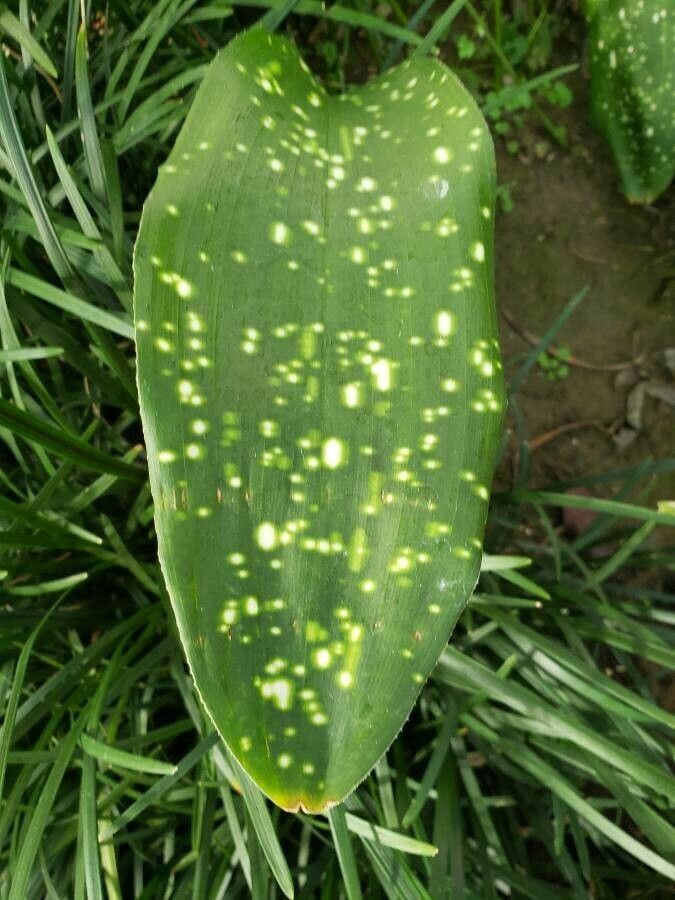
Oh, hello there! Come on in, grab a cup of coffee. Today, we’re going to dive into something truly special: propagating Aspidistra sichuanensis. If you’ve ever admired those elegant, deep green, leathery leaves gracing a shady corner, you’re not alone. This plant, often called the Cast Iron Plant – and for good reason – is a survivor and a beauty. Bringing new ones into being from an existing plant feels like a little bit of garden magic, and it’s a very rewarding process.
Now, for those of you just dipping your toes into the wonderful world of plant propagation, I have good news. While Aspidistra are known for their resilience, propagating them is generally quite straightforward. It’s a fantastic project for beginners, and even seasoned gardeners find it a satisfying endeavor.
The Best Time to Start
When it comes to Aspidistra, the real sweet spot for propagation is during its active growing season. You’ll want to aim for late spring through early summer. This is when the plant has the most energy reserves and is really pushing out new growth, making it much more receptive to our propagation efforts. Trying to do it when the plant is dormant will likely lead to less success, and just a bit more waiting around!
Supplies You’ll Need
To get our little Aspidistra babies started, you don’t need anything too fancy. Here’s what I usually have on hand:
- Sharp Pruning Shears or a Clean Knife: For making those crucial cuts.
- Well-Draining Potting Mix: I prefer a mix of good quality potting soil with perlite or coarse sand added. Something that doesn’t hold too much moisture.
- Small Pots or Trays: Whatever you have that is clean and has drainage holes.
- Rooting Hormone (Optional but Recommended): This can give your cuttings a helpful boost. Look for one that’s suitable for herbaceous plants.
- Clean Water: For misting or watering.
- Labels: To keep track of what you’ve propagated and when!
Propagation Methods
Aspidistra sichuanensis is best propagated through division. It’s the most reliable and, frankly, the easiest way to go about it with this particular plant.
Division: The Tried and True Method
This is where you’ll be gently splitting a mature plant into smaller, independent sections.
- Assess Your Plant: Look for a plant that has multiple shoots or rhizomes (those fleshy underground stems) emerging from the base. This indicates it’s ready to be divided.
- Gently Remove from Pot: Carefully ease the Aspidistra out of its current container. If it’s really root-bound, you might need to gently loosen the edges of the soil with a knife.
- Clean Off Excess Soil: Gently brush or rinse away some of the soil from the root ball. This will help you see the natural division points.
- Identify Division Points: Look for where the rhizomes naturally separate or where you can see distinct clusters of leaves emerging from separate root systems.
- Make Your Cuts: Using your clean, sharp pruning shears or knife, carefully cut through the rhizome to separate the sections. Aim to give each new division at least one healthy shoot (or several leaves) and a good amount of root. You might need to be firm, but be patient; avoid tearing the roots too much.
- Pot Up Your Divisions: Fill your new pots with your prepared potting mix. Make a hole in the center and place your divided section in it, ensuring the roots are spread out. The top of the rhizome should be about an inch below the soil surface.
- Water Gently: Water your newly potted divisions thoroughly but gently. You want the soil to be moist but not waterlogged.
The “Secret Sauce” (Pro Tips)
Here are a few things I’ve learned over the years that make a difference:
- Don’t Be Afraid to Get Your Hands Dirty: You really need to handle the roots to get a good division. It feels a bit brutal at first, but Aspidistra are incredibly tough. Just be deliberate and use clean tools.
- Think About the Rhizomes: When you’re dividing, focus on healthy rhizomes. These are the powerhouses that will feed your new plant. If a rhizome looks shriveled or is clearly damaged, it’s probably best to discard it.
- Give Them a Hiding Place: After division, try to keep your new Aspidistra divisions in a shady, protected spot for a few weeks. They’ve been through a bit of stress, and giving them indirect light helps them settle in without burning new growth.
Aftercare & Troubleshooting
Once your Aspidistra divisions are potted up, the real work begins – giving them a good start!
- Watering: Keep the soil consistently moist but not soggy for the first few weeks. As the plant establishes, you can ease back into the regular Aspidistra watering routine, which is essentially letting the top inch or so of soil dry out between waterings.
- Light: Bright, indirect light is best, especially for new divisions. Direct sunlight will likely scorch those lovely leaves.
- Feeding: Hold off on fertilizing for at least a month or two. Let the plant focus on root development first.
Now, what if things don’t go as planned?
- Wilting Leaves: This is common initially due to transplant shock. Consistent moisture and shade usually help. If it persists after a week or two, check your watering.
- Rotting at the Base: This is usually a sign of overwatering. If you see mushy, dark stems or leaves at the soil line, you’ve likely got rot. Sadly, this is often fatal. Ensure your soil is well-draining and allow the soil to dry out a bit more between waterings going forward.
- No New Growth: Patience! It can take several weeks for a divided Aspidistra to show new signs of life. As long as the leaves look healthy and aren’t turning yellow or mushy, keep up the good care.
A Little Encouragement
See? Not so scary, right? Propagating Aspidistra sichuanensis is a wonderful way to share your love for this plant and to fill your home (or your friends’ homes!) with its enduring beauty. Just remember to be patient, give them the right conditions, and trust in the plant’s inherent toughness. Happy propagating, and enjoy the journey!
Resource: