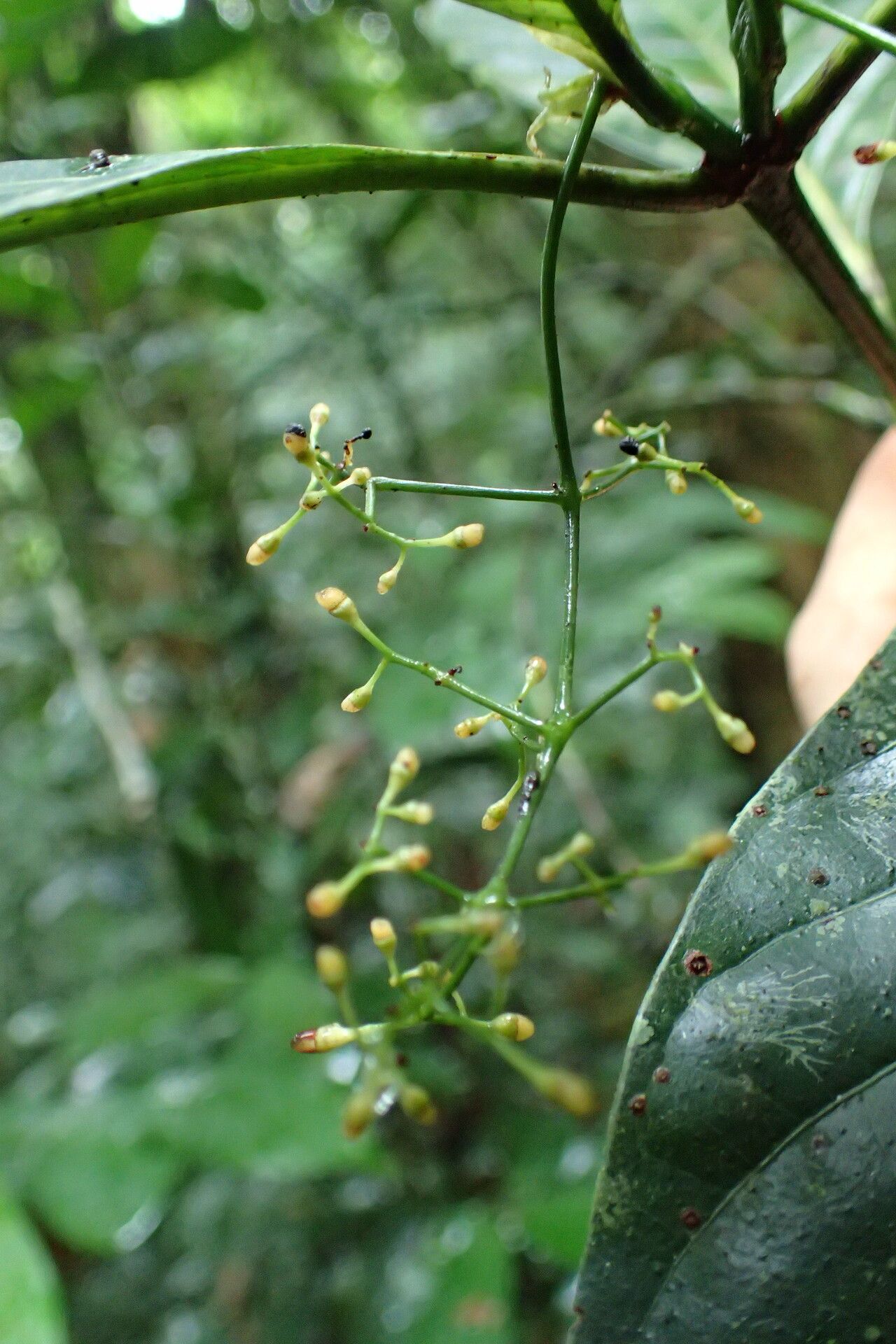
Hello fellow plant enthusiasts! Today, we’re diving into the wonderful world of Psychotria alatipes. If you’re looking for a plant that brings a splash of vibrant color and elegant foliage to your indoor jungle, this is a fantastic choice. That shot of red, the glossy leaves – it’s just stunning. And the best part? You can easily expand your collection by propagating it! While it might not be the absolute easiest plant for a complete novice, with a little patience and following these steps, you’ll find it’s a very rewarding endeavor.
The Best Time to Start
For Psychotria alatipes, the sweet spot for propagation is definitely during its active growing season. Think late spring through early summer. This is when the plant is producing lots of new growth, making it more receptive to taking root. Starting when the days are longer and warmer gives your cuttings the best chance to establish themselves before the cooler, darker months arrive.
Supplies You’ll Need
Having your tools ready makes the whole process smoother. Here’s what I always have on hand:
- Sharp Pruning Shears or Scissors: Crucial for clean cuts that heal faster.
- Rooting Hormone (Optional but Recommended): A little boost can make a big difference, especially for woodier stems. Look for one containing IBA.
- Well-Draining Potting Mix: A blend of perlite, coco coir, and a bit of compost works wonders. You can also buy a specialized seedling or propagation mix.
- Small Pots or Propagation Trays: Clean containers are key to preventing disease.
- Plastic Bag or Humidity Dome: To maintain high humidity around your cuttings.
- Water: For watering and potentially for water propagation.
- A Small, Sharp Knife or Blade: For preparing cuttings if needed.
- Labels and a Marker: To keep track of what you’ve propagated and when.
Propagation Methods
Let’s get our hands dirty! Stem cuttings are my go-to method for Psychotria alatipes, and it’s usually quite successful.
Stem Cuttings:
- Select Your Stem: Look for healthy, non-flowering stems on your mature plant. You want stems that are a good mix of green and slightly woody – not too soft and new, but not entirely brittle.
- Make the Cut: Using your sharp pruning shears, take cuttings that are about 4-6 inches long. Make your cut just below a leaf node. This is where new roots are most likely to form.
- Prepare the Cutting: Gently remove the lower leaves from the cutting, leaving just the top two or three sets. This prevents them from rotting in the soil or water. If the leaf nodes are quite close together, you can even carefully slice the stem lengthwise at the node to expose more surface area for root development – this is one of my little tricks!
- Apply Rooting Hormone (Optional): Dip the cut end of the stem into your rooting hormone powder, tapping off any excess.
- Plant Your Cuttings: Fill your small pots or trays with your prepared, moistened potting mix. Make a small hole with your finger or a pencil and insert the cutting, ensuring the nodes where you removed the leaves are buried. Gently firm the soil around the stem.
- Create a Humid Environment: Water the soil lightly. Then, cover the pot with a plastic bag or a humidity dome. Make sure the leaves aren’t touching the sides of the bag if possible. Place the pot in a warm spot with bright, indirect light.
Water Propagation (An Alternative):
If you prefer a more visual method, water propagation can work well too, though I find I get slightly stronger root systems with soil.
- Prepare the Cutting: Follow steps 1-3 for stem cuttings as described above.
- Place in Water: Put the prepared cutting in a clean glass or jar filled with room temperature water. Make sure the leaf nodes are submerged, but crucially, don’t let the leaves themselves sit in the water.
- Change Water Regularly: Change the water every few days to keep it fresh and prevent bacteria buildup.
- Provide Light: Place the container in a spot with bright, indirect light.
- Transplant When Ready: Once you see sturdy roots developing (about an inch or two long), you can carefully transplant your cutting into well-draining potting mix.
The “Secret Sauce” (Pro Tips)
Here are a couple of my tried-and-true secrets for getting the best results:
- Bottom Heat is Your Friend: Psychotria alatipes loves warmth, and bottom heat can significantly speed up root formation. If you have a propagation mat, place your pots on it. If not, a warm spot near a router or on top of a refrigerator can sometimes provide just enough gentle warmth.
- Don’t Overwater! This is a big one, and it’s where many new propagators go wrong. The soil should be consistently moist, but never soggy. Overwatering is the quickest way to invite rot, which is the nemesis of cuttings. When you first set them up, water thoroughly, but then only water when the top inch of soil starts to feel dry.
Aftercare & Troubleshooting
Once you start seeing signs of new growth – tiny leaves unfurling or the cutting resisting a gentle tug – you know roots are forming!
- Acclimation: Gradually remove the plastic bag or humidity dome over the course of a week or so. This allows the new plant to adjust to lower humidity levels.
- Continued Care: Water once the top inch of soil feels dry. Keep it in bright, indirect light. You can start feeding with a diluted liquid fertilizer once new growth is well-established.
- Signs of Trouble: The most common issue is rot. If your cutting turns mushy and black, or if leaves start to yellow and fall off rapidly without any new growth, it’s likely rot. This is usually due to overwatering or poor air circulation. Unfortunately, if rot sets in, it’s often too late to save the cutting, but don’t get discouraged! Just try again with a fresh cutting and adjust your watering. Yellowing leaves without mushiness might just indicate it’s not getting enough light.
A Little Patience Goes a Long Way
Propagating plants, especially unique ones like Psychotria alatipes, is a journey. There will be successes, and there might be the occasional setback. But each time you learn something new. So, take a deep breath, enjoy the process, and celebrate the little victories. Soon enough, you’ll have a whole new batch of these gorgeous plants to admire! Happy propagating!
Resource:
https://identify.plantnet.org/k-world-flora/species/Psychotria%20alatipes%20Wernham/data