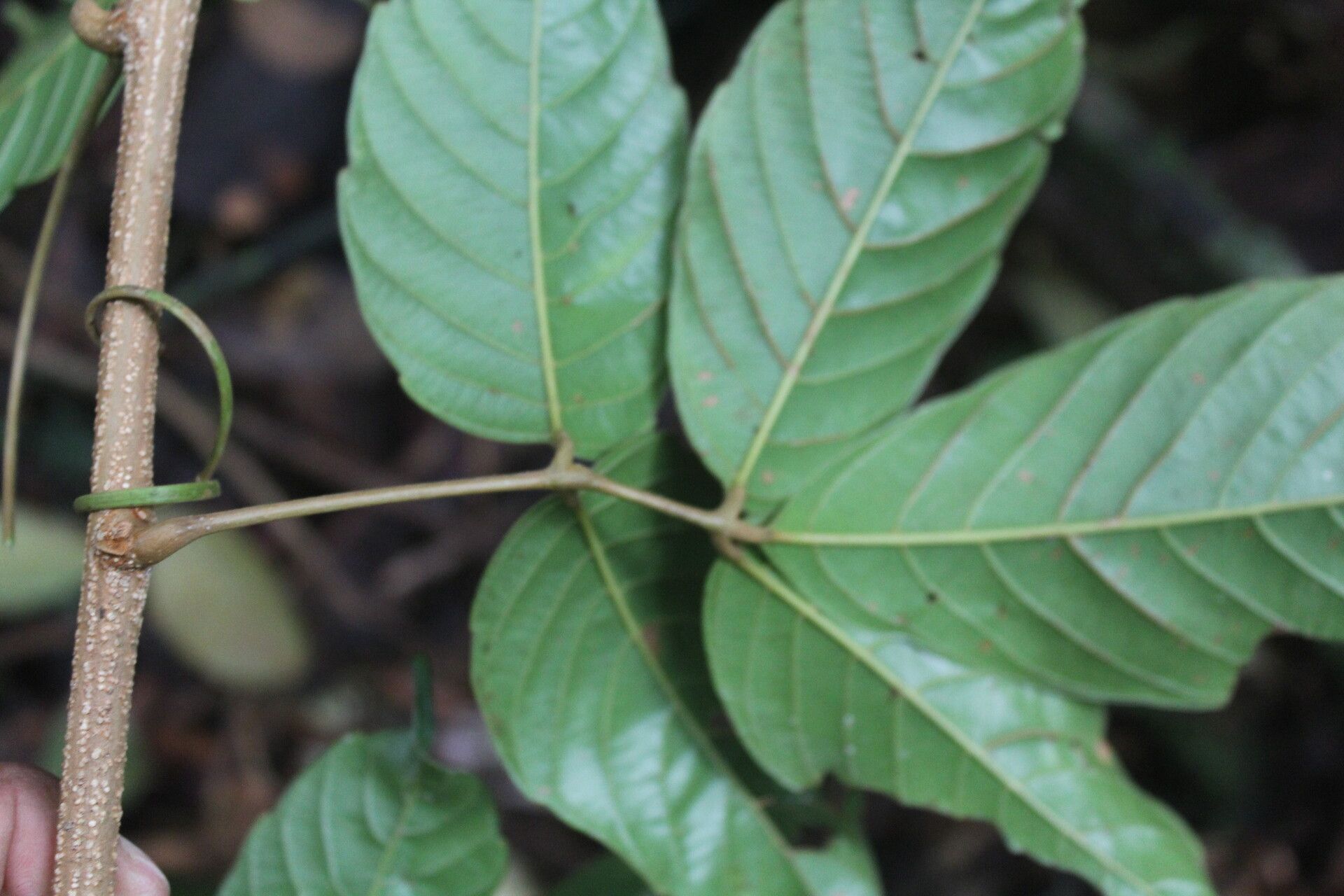
Hello there, fellow plant lovers! If you’ve ever admired the lush, vining beauty of Paullinia capreolata, also known as rambling rose or native passion vine, you’re in for a treat. This gorgeous plant, with its intricate, almost fern-like foliage and delicate flowers, brings a touch of wild elegance to any garden or home. And the best part? You can easily multiply its charm! Propagating this vine yourself is incredibly satisfying. For those just starting out with plant propagation, don’t be discouraged. While it’s not the absolute easiest plant to start with, with a little patience and the right approach, you’ll definitely see success. Let’s dive in!
When is the Best Time to Get Started?
The sweet spot for propagating Paullinia capreolata is generally during its active growing season. Think late spring through early to mid-summer. This is when the plant is full of vigor, producing new growth that’s more likely to root. Waiting until you see new shoots emerging after a period of dormancy will give you the best odds of creating happy new plants.
What You’ll Need for Propagation Success
Gathering your supplies beforehand makes the whole process a breeze. Here’s what I always keep on hand:
- Sharp Pruning Shears or Scissors: Clean and sharp tools are crucial for making clean cuts that heal well.
- Rooting Hormone: While not always strictly necessary, I find it significantly boosts rooting success and speeds up the process. Look for a powdered or gel form.
- Well-Draining Potting Mix: A good blend of peat moss, perlite, and a bit of compost works wonders. Avoid heavy, water-retentive soils.
- Small Pots or Propagation Trays: Clean containers with drainage holes are a must. Yogurt cups with holes poked in the bottom work in a pinch!
- Clear Plastic Bags or Cling Film: To create a mini greenhouse effect, which keeps humidity high.
- Watering Can or Spray Bottle: For gentle watering.
- Labels and a Pen: To keep track of your different cuttings or dates.
My Favorite Propagation Methods
Paullinia capreolata can be propagated fairly easily using stem cuttings. It’s my go-to method for this plant.
Stem Cuttings: A Tried-and-True Approach
- Select Your Cuttings: Look for healthy, vigorous semi-hardwood stems. These are new shoots that have started to firm up but are still somewhat flexible, not brittle old wood. You want them to be about 6-8 inches long.
- Make the Cut: Using your sharp, clean shears, make a clean cut just below a leaf node (the point where leaves attach to the stem). This is where roots are most likely to form. If you see any flowers or developing buds, pinch them off as they can drain energy from the cutting.
- Prepare the Cutting: Gently remove the leaves from the lower half of the stem. You want to leave just one or two sets of leaves at the top to help with photosynthesis.
- Apply Rooting Hormone: Dip the cut end of the stem into your rooting hormone, tapping off any excess.
- Planting Time: Fill your small pots with your well-draining potting mix. Make a hole with your finger or a pencil in the center. Insert the cut end of the stem into the hole, making sure the rooting hormone stays on the cut area. Gently firm the soil around the cutting.
- Water Gently: Water the soil thoroughly but gently, ensuring it’s moist but not waterlogged.
- Create the Greenhouse: Cover the pot with a clear plastic bag or cling film. You can use stakes to keep the plastic from touching the leaves. This is vital for maintaining humidity. Place the pot in a bright, indirect light location.
The Gardener’s Little Secrets (My Pro Tips!)
Here are a few of my tried-and-true tricks that make a difference:
- Bottom Heat is Your Friend: Many gardeners shy away from this, but adding a seedling heat mat underneath your pots can dramatically speed up rooting. The warmth encourages root development from the bottom up. Just ensure the soil doesn’t dry out more quickly with the added heat.
- Don’t Let Leaves Touch Water (If Water Propagating): While I primarily use soil for this vine, if you happen to try water propagation with other plants, remember this golden rule: no leaves should be submerged in the water. Rotting leaves will contaminate the water and kill your cuttings.
- The Gentle Shake Test: After a few weeks, when you think your cuttings might have rooted, gently tug on a stem. If you feel resistance, that’s a good sign! If it slides out easily, it hasn’t rooted yet.
Aftercare and What to Watch For
Once your cuttings have developed a good root system (you’ll see roots coming out of the drainage holes or feel that resistance when gently pulled), it’s time for them to become independent!
- Acclimatization: Slowly introduce your new plants to a less humid environment. Gradually open the plastic bag over a few days, or remove it for increasing periods.
- New Pots: Pot your rooted cuttings into slightly larger pots with fresh potting mix.
- Watering: Water them thoroughly and then allow the top inch of soil to dry out before watering again. Good drainage is key here to prevent root rot.
- Light: Continue to provide bright, indirect light. As they grow stronger, you can gradually introduce them to more direct sunlight, depending on your conditions.
Troubleshooting: The most common pitfall is rot. If your cutting turns mushy, black, or starts to wilt despite being watered, it’s likely succumbed to rot, often due to too much moisture or poor air circulation. If you see this happening, discard the affected cutting. Sometimes, a cutting might simply not root; this is part of the process, and you shouldn’t take it personally! Just try again.
Propagating plants is a journey of patience and observation. Every gardener has had cuttings that didn’t make it, and that’s perfectly okay. Celebrate the successes, learn from the misses, and most importantly, enjoy the simple magic of coaxing new life from a single stem. Happy propagating!
Resource:
https://identify.plantnet.org/k-world-flora/species/Paullinia%20capreolata%20(Aubl.)%20Radlk./data