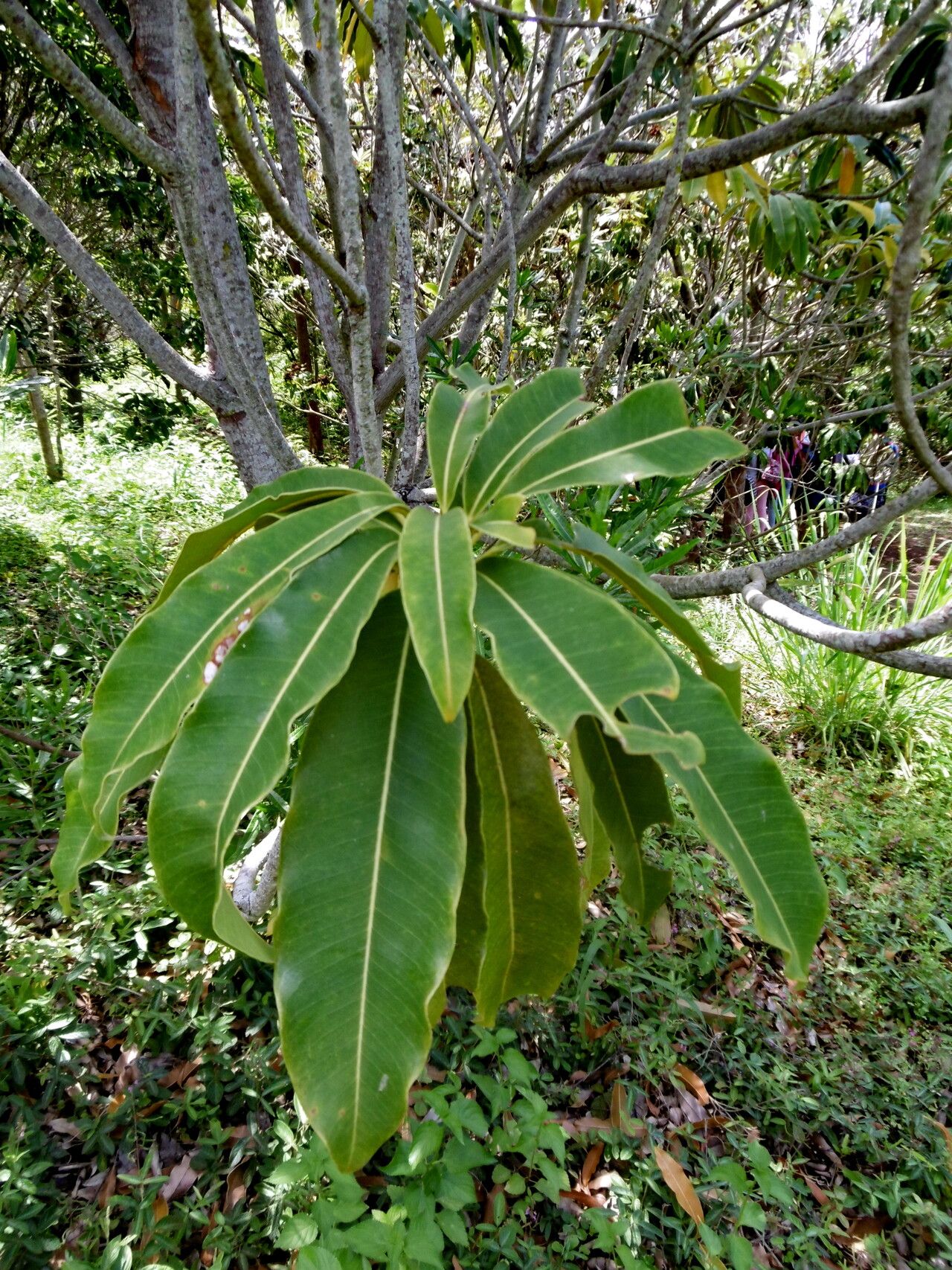
Oh, hello there! Pull up a chair and let’s chat about one of my favorite garden companions: Sideroxylon majus. You know, the one with those gorgeous, deep green leaves and that subtle, almost tropical elegance? It’s a real showstopper, and honestly, once you get your hands on one, you’ll want more. Trust me.
Propagating it is such a joy. It’s like watching a little bit of magic unfold right before your eyes. You get to nurture a tiny piece of your beloved plant into a whole new specimen. It’s incredibly rewarding, and while it might seem a tad intimidating at first, I promise, with a little guidance, you can absolutely do it. Think of me as your gardening buddy, cheering you on!
The Best Time to Start
Timing is everything when you’re trying to get new plants from cuttings. For Sideroxylon majus, my absolute favorite time to take cuttings is during the late spring to early summer. This is when the plant is really in its energetic growth phase. The new growth is soft and pliable, and it has all the energy it needs to put down roots. Trying to propagate when the plant is stressed or dormant just won’t yield the best results. So, aim for when things are buzzing with life!
Supplies You’ll Need
Before we dive in, let’s gather our little army of tools. Having everything ready in advance makes the whole process so much smoother.
- Sharp, clean pruning shears or a sharp knife: This is crucial for making a clean cut. Dirty tools can introduce diseases.
- Rooting hormone powder or gel: This isn’t strictly mandatory, but it really gives those cuttings a boost and significantly increases your success rate.
- A well-draining potting mix: I love a mix of peat moss, perlite, and a bit of coarse sand. You want it light and airy, not dense and waterlogged.
- Small pots or seed trays: Clean ones, of course! About 4-6 inches deep is perfect.
- Plastic bags or a propagator: To create a humid environment for your cuttings.
- Watering can or spray bottle: For gentle watering.
Propagation Methods
Let’s get our hands dirty! Stem cuttings are generally the most successful route for Sideroxylon majus.
Stem Cuttings:
- Select a healthy stem: Look for a section of semi-hardwood growth. This means it’s not brand new, bright green, and floppy, but also not old, woody, and tough. Think of it as firm, but still flexible.
- Make the cut: Using your sharp shears or knife, make a clean cut just below a leaf node (where a leaf attaches to the stem). This node is where the magic happens and roots will emerge. Your cutting should be about 4-6 inches long.
- Prepare the cutting: Gently remove the lower leaves. You want to expose at least two or three nodes along the stem, as this is where you’ll dip into the rooting hormone and where roots will form. Leave 2-4 leaves at the top. If the remaining leaves are very large, you can even halve them to reduce water loss through transpiration.
- Apply rooting hormone: Dip the cut end of the stem into your rooting hormone. Tap off any excess.
- Plant the cutting: Make a hole in your potting mix with a pencil or your finger. Gently insert the cutting into the hole, ensuring the nodes where you removed the leaves are below the soil surface. Firm the soil around it.
- Water gently: Give the soil a good, gentle watering using your watering can or spray bottle. You want the soil to be moist but not soggy.
- Create humidity: Cover the pot with a clear plastic bag, or place it inside a propagator. Make sure the leaves don’t touch the plastic if possible, as this can encourage rot. You can use stakes to prop up the bag.
The “Secret Sauce” (Pro Tips)
Alright, let’s add a little extra finesse to your propagation game. These are things I’ve learned over the years that make a real difference.
- Bottom Heat is Your Best Friend: If you can, place your pots on a heated propagation mat. This gentle warmth from below encourages root development far more effectively than just relying on ambient air temperature. It’s like giving your cuttings a warm hug to get them started.
- Don’t Disturb Too Soon: Resist the urge to tug on your cuttings to see if they have roots. This can damage fragile new growth. Wait until you see clear signs of new leaf development or gentle resistance when you give it a very, very light tug. Patience here is key!
- Sterilize Everything Religiously: I can’t stress this enough. Before you start, wash your pots thoroughly with soap and water, and if you have a dilute bleach solution (1 part bleach to 9 parts water), rinsing them in that can help kill any lingering pathogens. Clean tools, clean pots, clean hands – it all adds up to a healthier propagation environment.
Aftercare & Troubleshooting
Once you see those beautiful new roots starting to form and new leaves appearing, congratulations! It’s time to transition your little propagule to slightly less humid conditions.
- Gradual Acclimation: Slowly start to open the plastic bag or propagator a little each day for a week. This allows the new plant to adjust to normal humidity levels.
- Watering: Continue to keep the soil consistently moist but not waterlogged. Water when the top inch of soil feels dry to the touch.
- Light: Place your new plant in a bright spot with indirect sunlight. Direct sun can scorch those tender new leaves.
- Troubleshooting: The most common issue you might face is rot. If you see your cutting turning mushy or black, it’s usually a sign of too much moisture and not enough air circulation. If this happens, you might need to discard the affected cutting and review your watering and humidity levels for future attempts. Another sign of trouble is if the cutting just looks sad and wilted with no new growth after a few weeks; this could mean insufficient rooting hormone, poor light, or unfavorable temperatures.
A Little Encouragement
Remember, gardening is a journey, and propagation is a wonderful part of that adventure. Not every cutting will make it, and that’s perfectly okay. Each attempt is a learning experience, and the satisfaction of nurturing a new Sideroxylon majus from a simple stem is truly immense. Be patient with yourself and your plants, and enjoy the process. Happy propagating!
Resource: