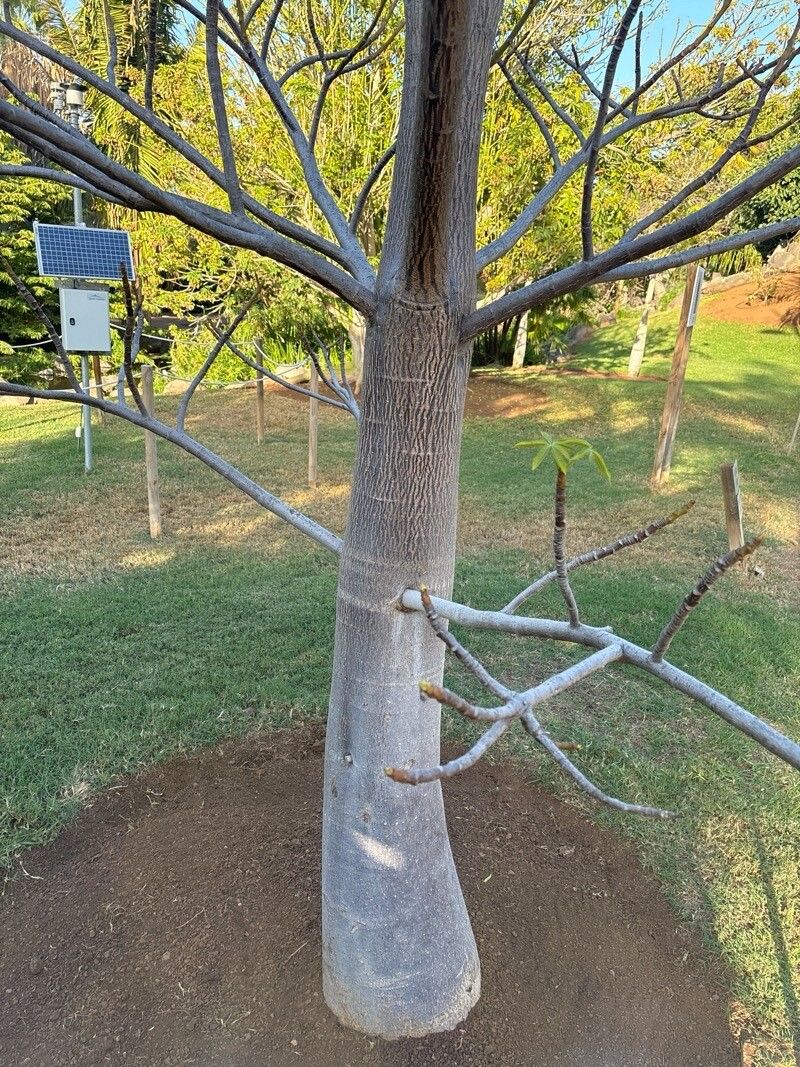
Hello, fellow plant enthusiasts! Today, we’re diving into something really special: propagating Adansonia perrieri, the Perrier’s Baobab. You know, those magnificent trees that seem to have sprung from a fairytale? Their swollen trunks and unique silhouette are absolutely captivating. Growing a baobab from scratch is a journey of patience, yes, but oh-so-rewarding. Seeing that first tiny sprout emerge from a seed you nurtured? Pure magic!
Now, I won’t sugarcoat it. Adansonia perrieri can be a bit of a challenge for absolute beginners. They have specific needs, and a little understanding goes a long way. But don’t let that deter you! With this guide, I’m confident you can achieve success. Think of me as your garden buddy, sharing what I’ve learned over the years.
The Best Time to Start
For Adansonia perrieri, the best time to begin propagation is when the parent plant is actively growing. This typically means during the warmer months, mimicking their native African climate. Think late spring through summer. This active growth phase means the plant is full of energy, making it more receptive to producing roots or a healthy seedling.
Supplies You’ll Need
Before we get our hands dirty, let’s gather our tools:
- Fresh, viable seeds of Adansonia perrieri (more on sourcing these a bit later)
- Coarse, well-draining seed-starting mix. I like a blend of perlite, pumice, and a little coir. Avoid heavy, moisture-retentive soils.
- Small pots or seed trays with drainage holes.
- Rooting hormone (optional, but helpful for cuttings) – a powdered or liquid form.
- Sharp, sterile pruning shears or a clean knife (if attempting cuttings – though seed is the primary method)
- A watering can with a fine rose spout for gentle watering.
- A plastic bag or dome to create a humid environment for seeds.
- A heat mat (highly recommended for germination).
- Gloves (if you prefer).
Propagation Methods
While skilled gardeners might attempt stem cuttings, the most reliable and common method for Adansonia perrieri is from seed. This is where the real adventure begins!
Seed Propagation:
-
Seed Preparation is Key: Baobab seeds have a tough outer shell that can inhibit germination. They need a little help to wake up. The most effective method is scarification followed by soaking.
- Scarification: You can gently nick the seed coat with a file or sandpaper or even carefully use a sharp knife to break the very outer layer. Be careful not to damage the embryo inside. You’re just trying to create a small opening.
- Soaking: After scarification, place the seeds in warm water for 24-48 hours. They should plump up; seeds that don’t swell might have been non-viable or need further scarification.
-
Sowing the Seeds: Fill your pots or trays with your well-draining seed mix. Moisten the mix thoroughly but ensure it’s not waterlogged.
- Plant the seeds about 1-2 cm deep.
- Gently firm the soil over them.
-
Creating the Ideal Environment: This is crucial for germination.
- Cover the pots with a plastic bag or a clear dome to retain humidity.
- Place the pots on a heat mat set to around 25-30°C (77-86°F). Consistent warmth is vital for baobab seeds.
-
Patience and Observation: Keep the soil consistently moist but not soggy. You might need to mist it gently every day or two. Germination can be erratic and take anywhere from a few weeks to several months. Don’t give up!
The “Secret Sauce” (Pro Tips)
Okay, here are a couple of things I’ve learned that can really make a difference:
- My absolute favorite tip for seed germination is don’t be afraid of a little “pre-soaking” in extremely dilute hydrogen peroxide solution. Just a few drops of 3% solution in a cup of water for about 30 minutes before the main warm water soak can help sterilize the seed coat and prevent fungal issues, which are baobab’s arch-nemesis.
- When it comes to heat mats, placement matters. Make sure the seeds are getting consistent, gentle heat from underneath. This mimics the warm earth they’d naturally sprout in and is far more effective than just placing them in a warm room.
Aftercare & Troubleshooting
Once you see those first glorious sprouts, don’t relax too much just yet!
- Gradual Acclimation: As soon as the seedlings emerge, slowly start to acclimate them to ambient humidity. Gradually lift the cover or poke holes in the plastic bag over a week or two.
- Light: They’ll need bright, indirect light. As they grow stronger, you can gradually introduce them to more direct sunlight, but always watch for signs of scorching.
- Watering: Continue to water when the top layer of soil feels dry. Avoid overwatering, which can lead to root rot – the most common sign of failure. You’ll see wilting, yellowing leaves, and sometimes a mushy stem base. If you suspect rot, let the soil dry out completely and, in severe cases, you might need to repot in drier soil.
- Fertilizing: Once your seedlings have a couple of sets of true leaves, you can begin feeding them with a very dilute liquid fertilizer. Think half-strength of what’s recommended.
A Little Encouragement
Growing these magnificent trees is a journey, not a race. There will be times when you question everything (I’ve been there!), but remember that nature is incredibly resilient. Be patient with your Adansonia perrieri, observe them closely, and most importantly, enjoy the incredible process of nurturing life. Happy growing!
Resource:
https://identify.plantnet.org/k-world-flora/species/Adansonia%20perrieri%20Capuron/data