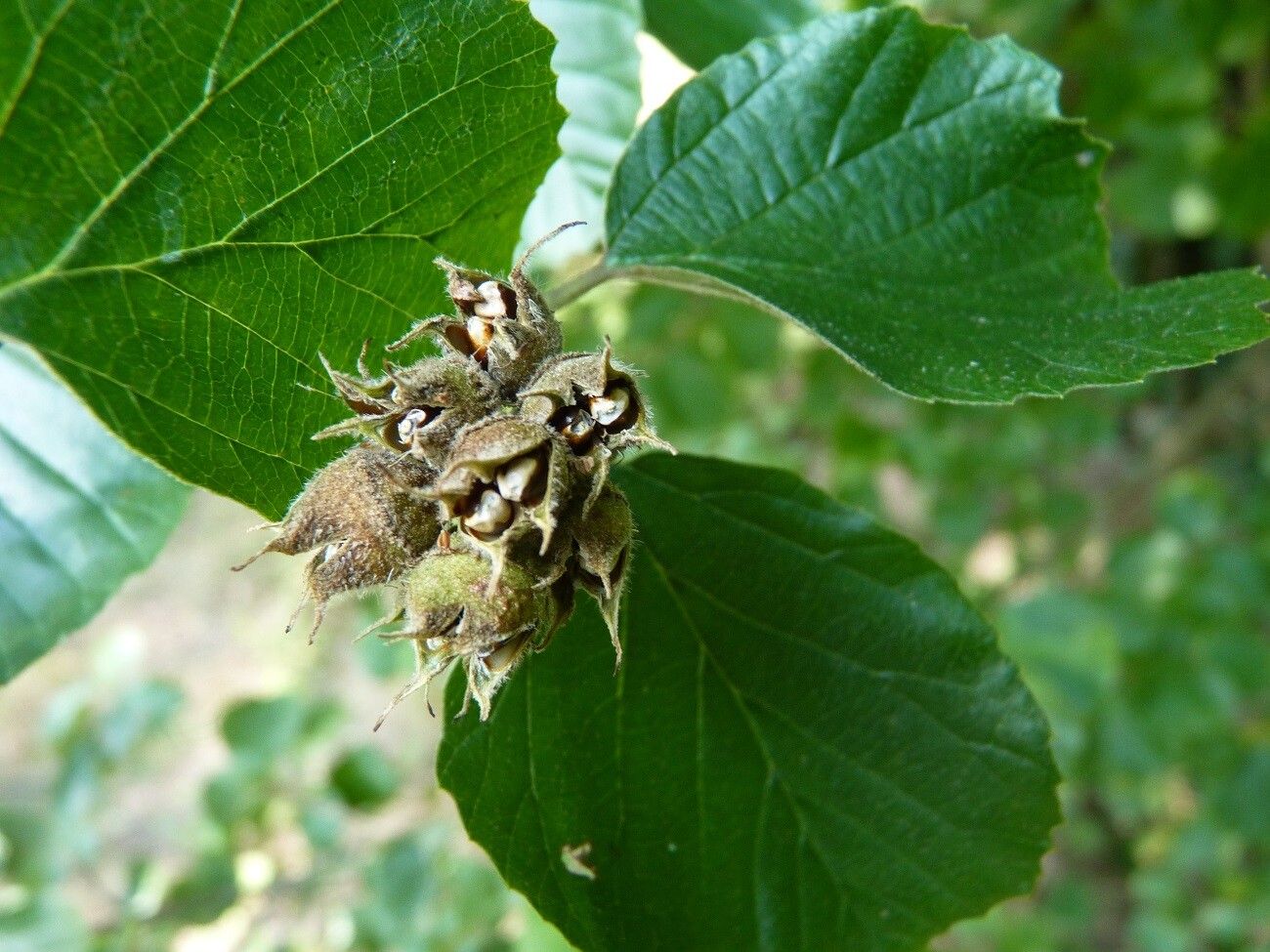
Ah, Parrotiopsis jacquemontiana! Isn’t it a beauty? With its delicate flowers and graceful habit, it’s a plant that truly sings in the garden. I’ve always been drawn to its unique charm, and trust me, multiplying this gem yourself is incredibly satisfying. If you’re wondering about its difficulty, I’d say it’s moderately easy. It needs a little love and attention, but nothing a curious gardener can’t handle.
The Best Time to Start
For the highest chance of success, I like to start propagating Parrotiopsis jacquemontiana in late spring or early summer. This is when the plant is actively growing and has plenty of energy to put into forming new roots. Waiting until the new growth has firmed up a bit, but is still flexible (often called “semi-hardwood”), is key.
Supplies You’ll Need
Gathering your supplies beforehand makes the whole process much smoother. Here’s what I always have on hand:
- Sharp, clean pruning shears or a knife: For making clean cuts.
- Rooting hormone: A powder or gel to encourage root development.
- Well-draining potting mix: A good blend is about 50% perlite and 50% peat moss or coco coir. You can also buy specialized succulent or cutting mixes.
- Small pots or propagation trays: With drainage holes, of course!
- Plastic bags or a clear dome lid: To create a humid environment.
- Watering can or spray bottle: For gentle watering.
- Labels and a marker: To keep track of your cuttings.
Propagation Methods
While you can try water propagation with some plants, I’ve found stem cuttings to be the most reliable for Parrotiopsis jacquemontiana.
- Take Your Cuttings: On a mild morning, select healthy, non-flowering stems. With your clean shears, cut sections about 4-6 inches long. Make your cut just below a leaf node (where a leaf attaches to the stem). This is where roots are most likely to form.
- Prepare the Cuttings: Gently remove the lower leaves from the cutting, leaving just a few at the top. This prevents them from rotting when buried.
- Apply Rooting Hormone: Dip the cut end of the stem into your rooting hormone, tapping off any excess.
- Pot Them Up: Fill your pots or trays with your prepared potting mix. Make a hole in the center of the mix with your finger or a pencil.
- Insert the Cuttings: Place the hormone-dipped end of each cutting into the hole, ensuring the leaf nodes you cleared are buried. Gently firm the soil around the stem.
- Water Gently: Water the soil thoroughly but don’t drench it. You want it moist, not soggy.
- Create Humidity: Cover the pots with a plastic bag, propping it up with stakes so it doesn’t touch the leaves. Alternatively, use a clear propagation dome. This traps moisture and keeps the cuttings from drying out.
- Location, Location, Location: Place the pots in a bright spot that receives indirect sunlight. A windowsill that doesn’t get direct afternoon sun is perfect.
The “Secret Sauce” (Pro Tips)
Here are a couple of things I’ve learned that really help give your cuttings a boost:
- Bottom Heat is Your Friend: If you have a seedling heat mat, placing your pots on it can significantly speed up root development. It mimics the warmth of spring soil, giving those roots a gentle nudge to emerge.
- Don’t Be Impatient with the Leaves: When water propagating (if you choose to try it), it’s crucial that no leaves are submerged in the water. Any leaf below the waterline will quickly rot and can contaminate the water, harming the cutting. I prefer stem cuttings in soil for this reason!
Aftercare & Troubleshooting
Once your cuttings have been potted, check them regularly. The soil should remain consistently moist but not waterlogged. You might need to mist them occasionally, especially if the humidity drops.
You’ll know your cuttings have taken root when you see new growth appearing from the top! This can take anywhere from a few weeks to a couple of months. You can also give them a very gentle tug to feel for resistance – a sign of roots.
The main thing to watch out for is rot. If you see stems turning black or mushy, it’s usually a sign of too much moisture. If this happens, remove the affected cutting immediately. Ensure good air circulation and back off on the watering for a bit.
A Little Patience Goes a Long Way
Propagating plants is a journey, and with Parrotiopsis jacquemontiana, it’s a rewarding one. Don’t get discouraged if not every cutting makes it. Each attempt is a learning experience. Enjoy the process of nurturing these little bits of life, and soon you’ll have more of these lovely plants to share or enjoy in your own garden. Happy propagating!
Resource: