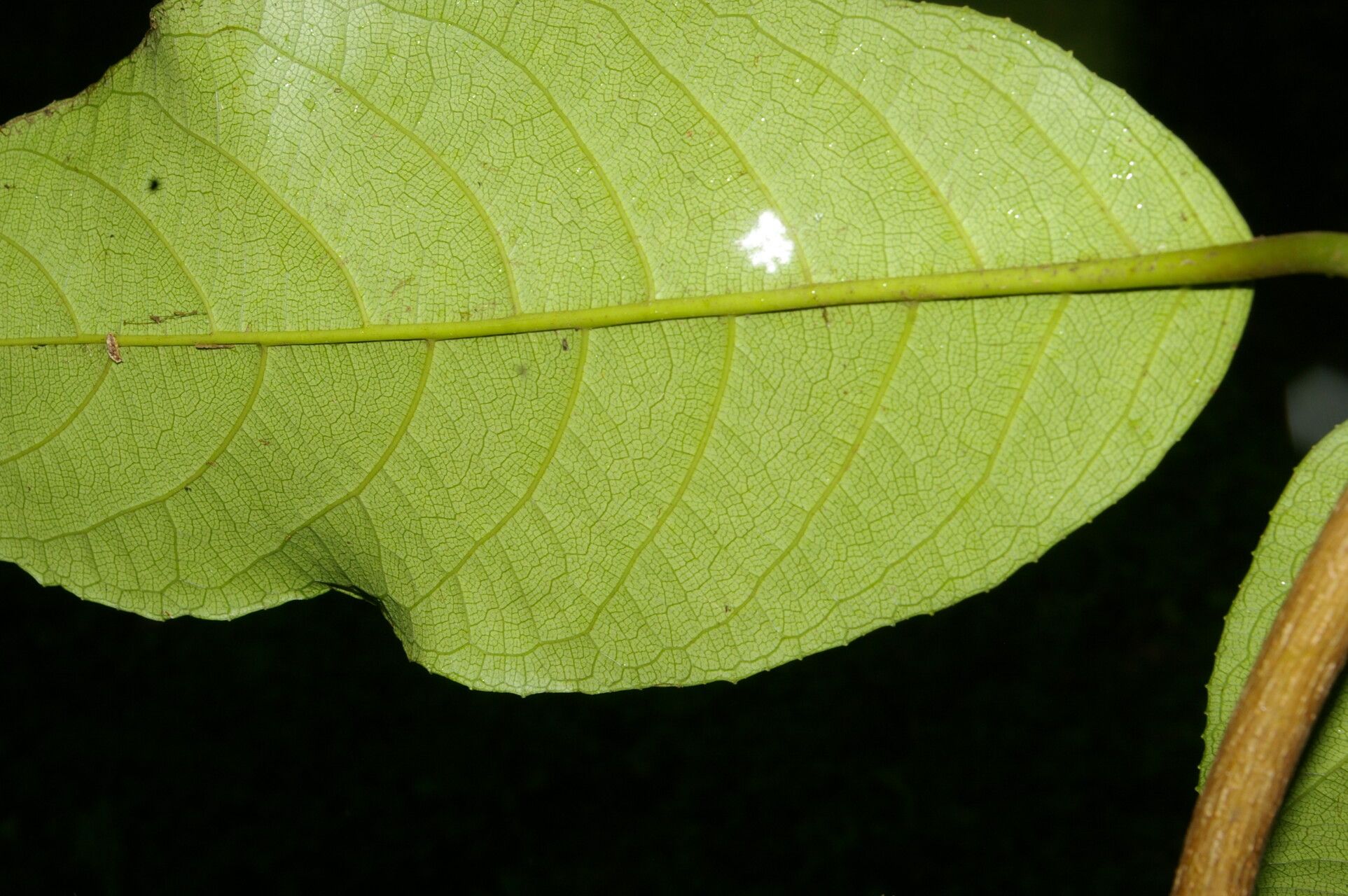
Hello, fellow garden lovers! If you’ve ever swooned over those delicate, ethereal blooms of Hydrangea peruviana, you’re not alone. I’ve spent countless hours admiring their airy beauty in my own garden, and let me tell you, the thought of having more of these lovely plants is always a welcome one. Propagating them is a truly rewarding endeavor, and I’m delighted to share my secrets with you. Don’t worry, even if you’re new to the gardening game, this might just be the project to get your green thumb glowing.
The Best Time to Start
For hydrangeas, the sweet spot for taking cuttings is typically in late spring to early summer. This is when the plant is actively growing, and you’ll find plenty of new, semi-hardwood stems that are perfect for rooting. Avoid taking cuttings from very young, floppy growth or old, woody stems.
Supplies You’ll Need
Here’s what you’ll want to have on hand before you get started:
- Sharp Pruning Shears or a Craft Knife: For clean cuts that heal well.
- Rooting Hormone: This is a game-changer! It encourages faster and stronger root development.
- Small Pots or Seedling Trays: With drainage holes, of course.
- A Well-Draining Potting Mix: I like a blend of peat moss, perlite, and a bit of compost to keep things light and airy. You can also buy specialized propagation mixes.
- Plastic Bags or a Mini Greenhouse: To create a humid environment.
- Watering Can or Spray Bottle: For gentle moisture.
- Small Labels: To keep track of what you’ve planted.
Propagation Methods
Let’s dive into the most reliable way to get more Hydrangea peruviana babies: stem cuttings.
- Select Your Cuttings: Look for healthy, non-flowering stems. You want stems that are firm but still a little flexible – think pencil-thickness.
- Take the Cuttings: Using your clean pruning shears or craft knife, take a cutting that is about 4-6 inches long. Make your cut just below a leaf node (where a leaf grows from the stem). This is where the magic of root formation is most likely to happen.
- Prepare the Cuttings: Remove the lower leaves, leaving just the top two or three leaves. If the remaining leaves are very large, you can cut them in half to reduce water loss. This really helps them conserve energy.
- Use Rooting Hormone: Dip the cut end of the stem into your rooting hormone, tapping off any excess.
- Potting Up: Fill your small pots or trays with your moistened potting mix. Make a small hole in the center of the soil with your finger or a dibber.
- Planting: Gently insert the hormone-coated end of the cutting into the hole and firm the soil around it.
- Create Humidity: Water the soil gently. Then, cover the pots with a clear plastic bag or place them in a mini greenhouse. Make sure the leaves aren’t touching the plastic if possible. This traps moisture, creating a mini-greenhouse effect that’s vital for rooting.
The “Secret Sauce” (Pro Tips)
Here are a couple of things I’ve learned over the years that really seem to boost success:
- Don’t Let the Leaves Touch the Water: If you’re trying water propagation (which can work for hydrangeas, but I find cuttings more reliable), make absolutely sure the leaves are never submerged. Leaves in water tend to rot, which can take your whole cutting down with it.
- Bottom Heat is Your Friend: If you can, place your potted cuttings on a propagation mat or a warm windowsill. A little bit of gentle bottom warmth signals to the plant that it’s time to put down roots. It’s like a cozy little incubator for your baby plants!
Aftercare & Troubleshooting
Once your cuttings are planted, keep them in a bright, indirect light location. Check the soil moisture regularly, keeping it consistently moist but not waterlogged. The key here is consistently.
You’ll know your cuttings have rooted when you see new leaf growth or feel a slight resistance when you gently tug on the stem. This usually takes anywhere from 4 to 8 weeks.
The biggest enemy you’ll face is rot. If you see stems turning black and mushy, it’s usually a sign of too much moisture and not enough air circulation. Make sure your potting mix is draining well and that you haven’t overwatered. If you catch a cutting starting to rot, it’s best to discard it to prevent it from spreading to others.
A Little Patience Goes a Long Way
Propagating plants is a wonderful way to connect with nature and multiply your garden’s beauty. Be patient with your Hydrangea peruviana cuttings. Not every single one will make it, and that’s perfectly okay! The joy is in the process, learning, and celebrating each tiny triumph. Happy propagating!
Resource:
https://identify.plantnet.org/k-world-flora/species/Hydrangea%20peruviana%20Moric.%20ex%20Ser./data