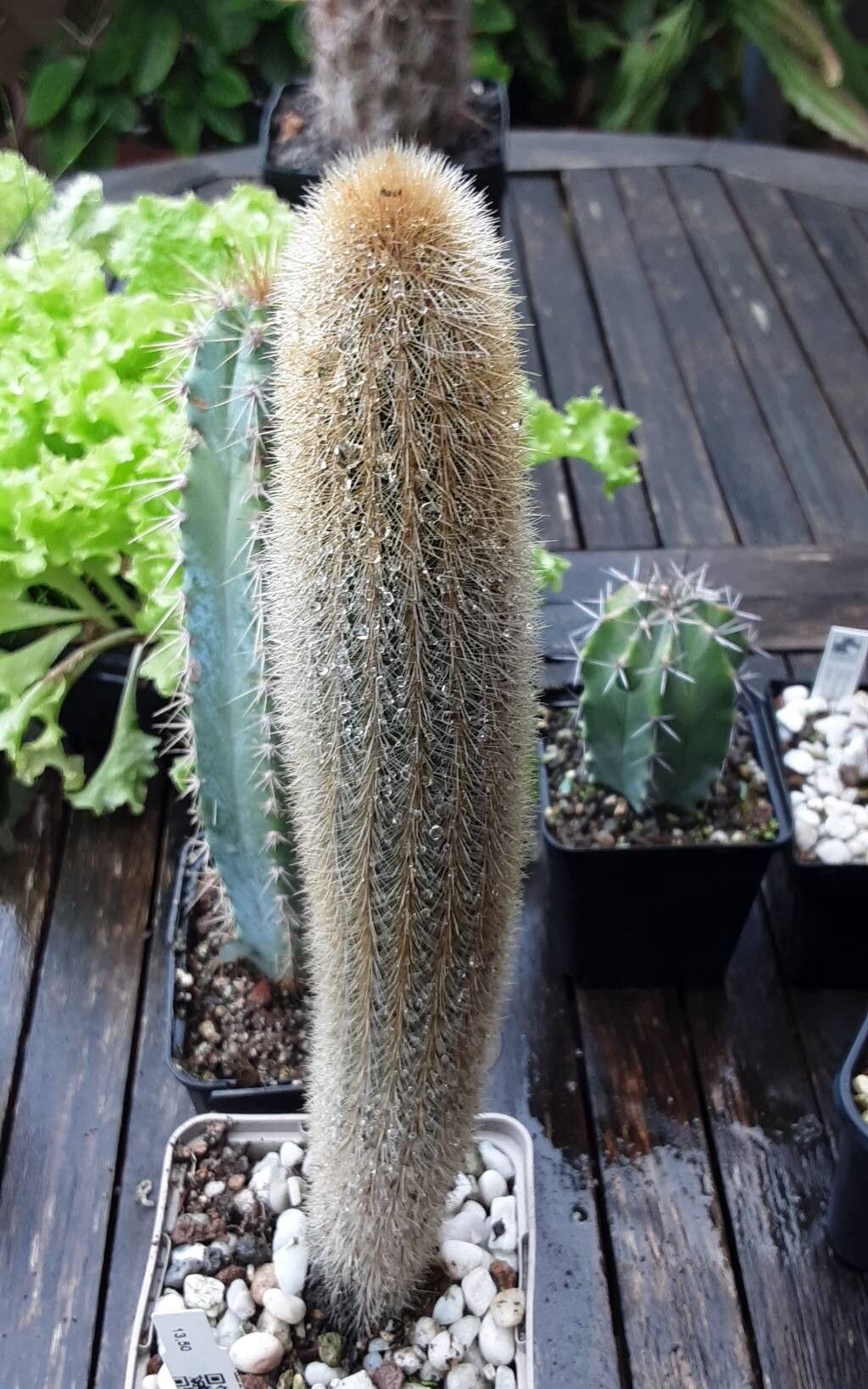
Hello there, fellow plant enthusiasts! It’s so lovely to have you here. Today, we’re diving into the fascinating world of Cleistocactus variispinus. If you’ve ever admired these columnar beauties with their striking spines and delicate flowers, you’ll know just how rewarding it is to multiply them. Propagating them is a fantastic way to share their charm or simply expand your own collection.
For those of you just starting out with succulents, you might find Cleistocactus a tad more forgiving than some of the finickiest cacti, though a little attention to detail never hurts! It’s a wonderfully satisfying journey to watch a tiny cutting transform into a thriving plant.
The Best Time to Start
My absolute favorite time to get my hands dirty with Cleistocactus propagation is during their active growing season. This generally falls within the late spring and summer months. During this period, the plant has plenty of energy to put into developing new roots. You’ll often see pups or offsets forming around the base, or you might need to take stem cuttings from healthy, mature specimens.
Supplies You’ll Need
Before we get started, let’s gather our tools. Think of this as your propagation toolkit:
- Sterilized Pruning Shears or a Sharp Knife: For clean cuts that reduce the risk of disease.
- Cactus and Succulent Potting Mix: A well-draining blend is crucial. You can buy this or make your own by mixing equal parts potting soil, perlite, and coarse sand.
- Rooting Hormone (Optional but Recommended): This gives your cuttings a little boost.
- Small Pots or Seedling Trays: Choose containers with drainage holes!
- Gloves: For handling those spiny wonders.
- Watering Can or Spray Bottle: For gentle watering.
- Bottom Heating Mat (Optional but very helpful): To encourage root development.
Propagation Methods
Let’s explore the ways we can bring more Cleistocactus variispinus into existence!
Propagating from Pups/Offsets
This is often the easiest method, especially if your plant is already producing little babies around its base.
- Gently Unearth: Carefully unpot your mature plant. You can also gently tease away the soil around the base with your fingers or a soft brush to expose the pups.
- Separate with Care: Using your sterilized knife or shears, carefully cut the pup away from the mother plant. Try to get a clean break, and if possible, include a tiny bit of the mother plant’s root system with the pup.
- Callus Over: This is a critical step for cacti! Let the cut end of the pup dry and form a callus for 2-5 days in a warm, dry place. This prevents rot when you plant it.
- Planting Time: Once callused, plant the pup about an inch deep in your prepared cactus mix. For smaller pups, a shallow pot is perfect.
- Patience: Water very lightly only after about a week, and then sparingly. Place in bright, indirect light.
Propagating from Stem Cuttings
If your Cleistocactus is a bit leggy or you want to start a new plant from a taller section, this is the way to go.
- Take the Cutting: Using your sterilized shears, cut a healthy section of stem. Aim for a piece that’s at least a few inches long.
- Callus Formation: Just like with pups, allow the cut end to dry and form a callus for at least 5-7 days, or even longer for thicker stems. This is absolutely paramount to prevent rot.
- Prepare for Planting: Once callused, you can optionally dip the callused end in rooting hormone.
- Plant and Water: Insert the callused end into your well-draining cactus mix, burying it about an inch or so. Do not water immediately! Wait about 10-14 days before giving it its first light watering.
- Provide Light and Warmth: Place in bright, indirect light and consider using a bottom heating mat.
The “Secret Sauce” (Pro Tips)
Over the years, I’ve learned a few little tricks that seem to make all the difference.
- Sterilize Everything: I can’t stress this enough! If your tools aren’t clean, you risk introducing fungal or bacterial infections. A quick wipe down with rubbing alcohol between cuts is a good habit.
- Bottom Heat is Your Friend: For both pups and cuttings, providing gentle warmth from below (using a heated mat set to around 70-75°F or 21-24°C) can significantly speed up root development. It mimics the warmth of their natural growing season.
- Be Stingy with Water (Initially): Cacti are masters of water storage. Overwatering a cutting or pup is the quickest way to invite rot. Err on the side of too dry rather than too wet, especially in the first few weeks.
Aftercare & Troubleshooting
Once you start seeing those magical little roots emerge (you might even get a gentle tug when you try to lift the cutting), it’s time for slightly more attentive care.
- Gradual Sunlight: Begin by gradually introducing your new plant to more direct sunlight. Start with a few hours of morning sun and increase as the plant acclies.
- Continue Sparingly with Water: Water only when the soil has dried out completely. It’s better to underwater than overwater during this early stage.
- Signs of Rot: The most common culprit is too much moisture. Look out for mushy stems, yellowing or browning that feels soft, and a general lack of vigor. If you see signs of rot, act quickly! You may need to cut away the rotted section, let the remaining healthy part callus again, and replant in fresh, dry soil.
- No Growth: Don’t panic if you don’t see immediate growth. Some cuttings can take weeks, or even a couple of months, to root. Keep them in the right conditions and be patient.
A Encouraging Closing
Propagating succulents like Cleistocactus variispinus is a rewarding skill that connects you even more deeply with the plant world. It requires a little patience and observation, but the joy of nurturing new life is truly unparalleled. So, gather your supplies, choose your method, and have fun! I’m rooting for you and your new spiny friends!
Resource:
https://identify.plantnet.org/k-world-flora/species/Cleistocactus%20variispinus%20F.Ritter/data