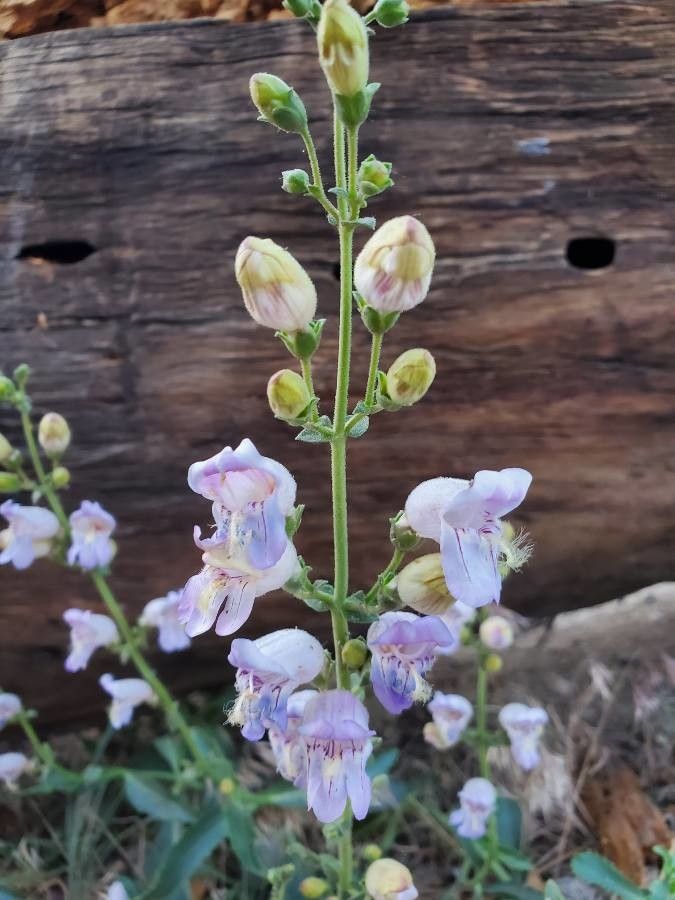
Oh hello there! Come on in, grab a mug. I’m so glad you’re curious about Penstemon grinnellii. This plant, you know, it’s a real gem for any garden. Its tubular, often vibrant flowers are absolute magnets for hummingbirds and butterflies. Plus, it’s native to our western landscapes, so it brings a touch of wild beauty right to your doorstep. Honestly, multiplying these beauties yourself is incredibly satisfying. It’s not overly tricky, either, which is lovely news for us home gardeners.
The Best Time to Start
For Penstemon grinnellii, I find the spring is just about perfect. Once the real warmth has settled in and the plant is actively growing, that’s your window. You’re looking for that vibrant, non-woody new growth. Trying to propagate when the plant is dormant or stressed usually spells a bit of disappointment.
Supplies You’ll Need
Here’s what I tend to have on hand when I’m ready to get my propagation on:
- Sharp Pruning Shears or a Clean Knife: For making nice, clean cuts.
- Potting Mix: A well-draining mix is crucial! I usually blend equal parts peat moss, perlite, and a little coarse sand.
- Small Pots or Trays: Clean ones, please! Plastic or terracotta both work.
- Rooting Hormone (Optional but Recommended): A good quality powder or gel can give your cuttings a real boost.
- Watering Can with a Fine Rose: For a gentle shower.
- Plastic Bags or Domes: To create a humid environment for your cuttings.
- Labels: Don’t forget to label what you’ve planted and when!
Propagation Methods
My go-to method for Penstemon grinnellii is stem cuttings. It’s reliable and gives you a good chance of success.
- Take Your Cuttings: In spring, while the stems are still flexible and green, select healthy stems from your parent plant. Look for pieces that are about 4-6 inches long. Make a clean cut just below a leaf node (the little bump where a leaf grows from the stem). Remove the lower leaves, leaving just the top couple of sets.
- Apply Rooting Hormone (If Using): Dip the cut end of the stem into your rooting hormone, tapping off any excess.
- Pot Them Up: Fill your small pots with your prepared, well-draining potting mix. Make a small hole with your finger or a pencil. Gently insert the cut end of the stem into the hole, ensuring the leaf nodes are buried, as that’s where roots typically form. Firm the soil gently around the stem.
- Water Gently: Give your newly potted cuttings a light watering to settle the soil.
- Create Humidity: Water in the pots, then cover them with a plastic bag, a propagation dome, or even a clear plastic bottle with the bottom cut off. This keeps moisture high, which is essential for cuttings to root. Make sure the leaves aren’t touching the sides of the bag if possible.
- Provide Bright, Indirect Light: Place your pots in a bright spot, but avoid direct sunlight, which can scorch the delicate cuttings.
The “Secret Sauce”
Here are a couple of things I’ve learned over the years that make a real difference:
- Bottom Heat is Your Friend: If you have a seedling heat mat, pop your pots on it. While not strictly necessary for Penstemon grinnellii, a little warmth from below can significantly speed up root development. It’s like giving them a cozy incubator.
- Don’t Overwater the Cuttings: It’s a delicate balance. You want the soil to be consistently moist, but never soggy. Soggy soil is a fast track to rot, and nobody wants that! If you’re unsure, err on the side of slightly drier rather than wetter.
Aftercare & Troubleshooting
Once you see new leaf growth appearing on your cuttings, that’s a great sign! It means roots are forming. Gradually acclimate your new plants to open air by removing the humidity cover for increasing periods over a few days. Continue to keep them moist and in bright, indirect light.
The most common issue you might encounter is rot. If your cuttings turn mushy and black, it’s usually a sign of too much moisture and poor air circulation. Unfortunately, once they rot, they’re usually a goner. Another sign of trouble is cuttings that wilt dramatically and never perk up. This can happen if they’re too dry, or if the rooting hormone wasn’t effective. Don’t be discouraged! It’s all part of the learning process.
Happy Propagating!
Now, the most important part: patience. Propagation is a journey, not a race. Some cuttings will root quickly, others will take their sweet time. Enjoy the process of nurturing these tiny new lives. Witnessing that first flush of growth is pure magic. Go on, give it a try. I think you’ll find yourself hooked!
Resource:
https://identify.plantnet.org/k-world-flora/species/Penstemon%20grinnellii%20Eastw./data