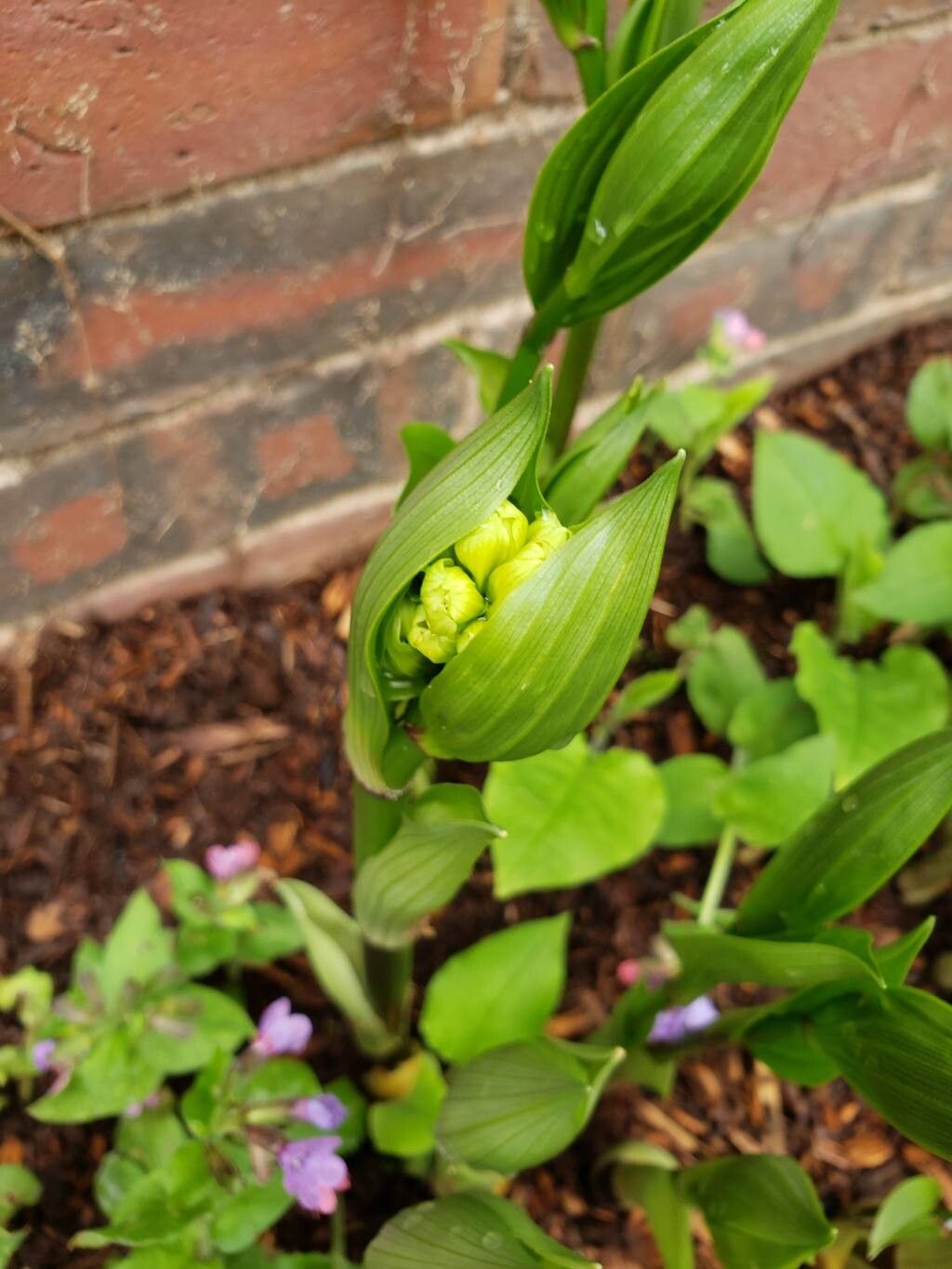
Hello fellow plant lovers!
Today, we’re diving into the wonderful world of propagating Polygonatum humile, or dwarf Solomon’s Seal. I remember the first time I saw this little gem, its delicate, arching stems adorned with those beautiful white, bell-shaped flowers, followed by charming dark berries. It’s just… lovely. And the best part? You can easily multiply this grace for your own garden! If you’re new to propagating, you’ll be happy to know that Polygonatum humile is quite forgiving. It’s a plant that truly rewards a little bit of your time.
The Best Time to Start
For the most success, I find that dividing the rhizomes is best done in early spring, just as the new shoots are beginning to emerge from the soil. You can also do this in late fall after the foliage has died back. This gives the plant a chance to settle in before the heat of summer or the deep freeze of winter. If you’re experimenting with cuttings (more on that later!), aim for late spring to early summer, when the plant is actively growing.
Supplies You’ll Need
Here’s what I usually have on hand when I’m about to get my hands dirty:
- Sharp pruning shears or a clean knife
- A good quality seed-starting mix or a blend of peat moss, perlite, and a little compost
- Pots or trays for your new contenders
- Optional: Rooting hormone (powder or gel) for cuttings
- A spray bottle for misting
- A dibber or even just a sturdy pencil for making holes
Propagation Methods
There are a couple of reliable ways to get more Polygonatum humile into your life.
Division (My Favorite!)
This is by far the easiest and most successful method for this plant.
- Gently unearth your Polygonatum humile plant. I usually do this with a trowel, loosening the soil all around the clump.
- Carefully tease apart the rhizomes. You’ll see these thick, fleshy underground stems. Look for natural divisions where you can separate sections. Each piece needs to have at least one bud or eye on it.
- If the rhizomes are a bit tough, don’t be afraid to use your clean knife or pruning shears to cut them apart. Just ensure each piece has an eye.
- Let the cut surfaces air dry for a few hours, or even overnight. This helps prevent rot once they’re in the soil.
- Plant each division in its own pot filled with your chosen potting mix. Make sure the bud is pointing upwards, just slightly below the soil surface.
- Water gently and place in a shady spot.
Stem Cuttings (For the Adventurous)
This method is a bit trickier but very rewarding if successful.
- In late spring or early summer, select a healthy, non-flowering stem.
- Using your sharp pruning shears, cut a section that’s about 4-6 inches long. Make the cut just below a leaf node.
- Remove the lower leaves, leaving just a few at the top.
- If you’re using rooting hormone, dip the cut end into it.
- Plant the cutting into a pot filled with a well-draining, slightly moist potting mix. You can insert it deep enough so that the lower leaf nodes are just below the surface – this is where roots will form.
- Cover the pot with a clear plastic bag or lid to create a mini-greenhouse effect. This keeps humidity high.
- Place in a bright spot, but out of direct sunlight.
The “Secret Sauce” (Pro Tips)
Here are a couple of things I’ve learned over the years that really make a difference:
- Don’t over-pot. When dividing, I tend to use pots that are just a little larger than the rhizome section. This prevents the soil from staying too wet, which is the enemy of happy roots.
- Bottom heat works wonders for cuttings, especially if your house is on the cooler side. A propagation mat placed beneath the pots can significantly speed up root development. You’ll feel a slight warmth when you place your hand on it.
Aftercare & Troubleshooting
Once your new Polygonatum humile is planted, be patient!
- Keep the soil consistently moist but not waterlogged. Misting is great for cuttings to maintain humidity without drenching the soil.
- For divisions, water thoroughly after planting, then settle into a routine of checking the moisture level regularly.
- Watch for wilting. This can be a sign of too little water, or sometimes, if the roots haven’t established well, it can indicate rot.
- Rot is the biggest challenge. If you see mushy stems or roots, or a foul smell, it’s a sign of too much moisture and poor drainage. Sadly, it’s usually fatal. Your best bet is to ensure excellent drainage from the start and avoid overwatering.
A Little Patience Goes a Long Way
Propagating plants is such a fulfilling part of gardening. It’s about nurturing new life and expanding the beauty you love. Watching those tiny roots develop or seeing that divided rhizome send up new growth is incredibly rewarding. So, grab your tools, get your hands a little dirty, and enjoy the process. Happy propagating!
Resource:
https://identify.plantnet.org/k-world-flora/species/Polygonatum%20humile%20Fisch.%20ex%20Maxim./data