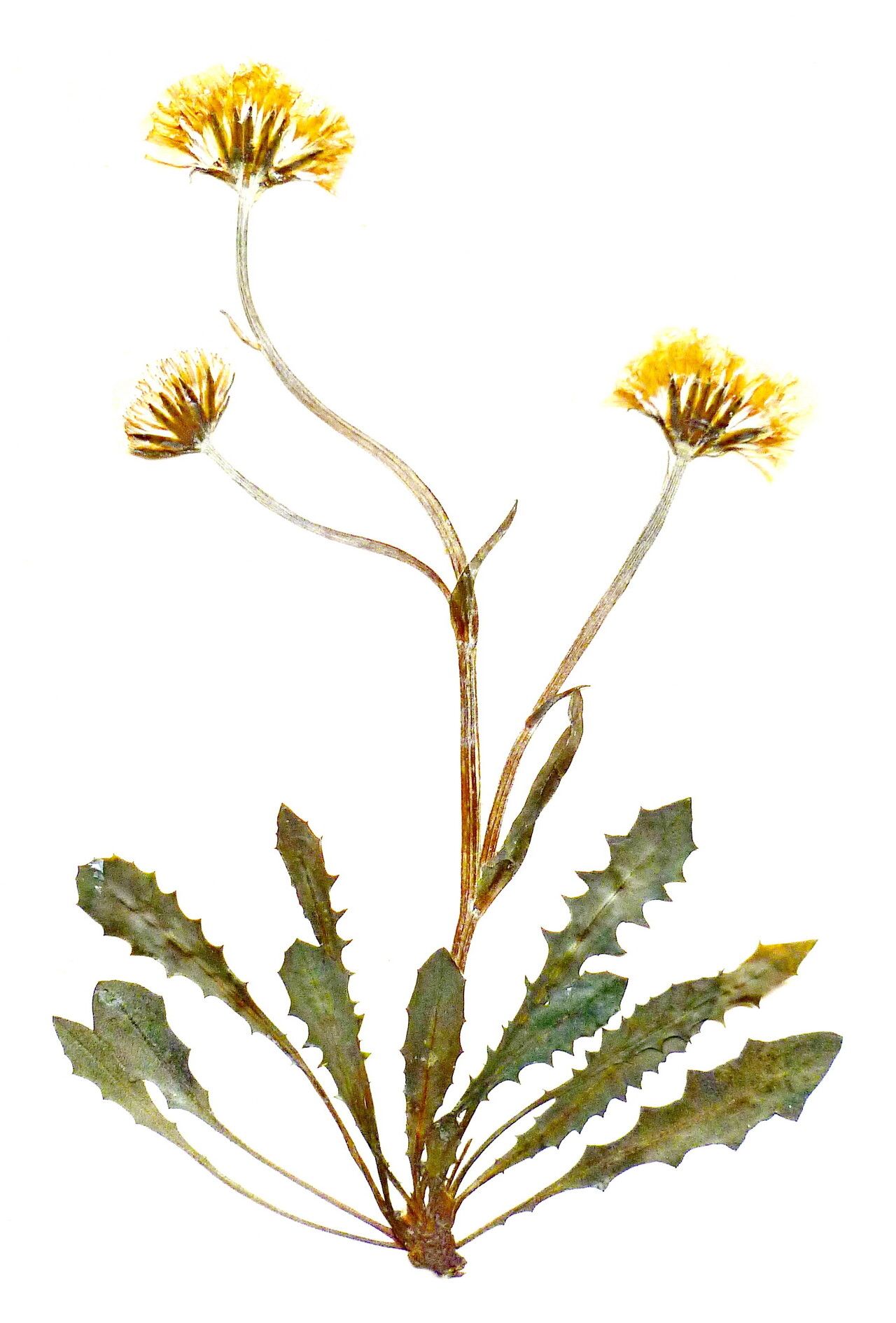
Oh, hello there! Come on in, grab a mug. I’m so glad you’re interested in Crepis alpestris. This little gem, with its sunny yellow blooms, truly brings a smile to any garden, doesn’t it? It’s one of those plants that just radiates cheer. And the best part? Sharing that joy by propagating it yourself is incredibly rewarding. For those of you just dipping your toes into the world of plant propagation, I’ll be honest, Crepis alpestris is a good one to start with. It’s not overly fussy, which always makes the process more enjoyable.
The Best Time to Start
When it comes to getting the most bang for your buck with Crepis alpestris, spring or early summer is really your sweet spot. After the main flush of flowering, or even just before they really get going in spring, is when the plant is energized and ready to grow. This is when you’ll find the best material for taking cuttings or dividing.
Supplies You’ll Need
Before we get our hands dirty, let’s gather our tools. Think of this as your propagation adventure kit:
- Sharp pruning shears or a clean, sharp knife: For making clean cuts.
- Seedling tray or small pots: Choose something with drainage holes!
- A good quality, well-draining potting mix: I like a mix of peat, perlite, and compost. Or, a dedicated seed-starting mix works wonders.
- Rooting hormone (optional but helpful): A little dip can give cuttings a boost.
- A watering can with a fine rose: For gentle watering.
- Labels and a pen: You’ll thank me later when you have a bunch of happy little plants!
- A plastic bag or propagator lid: To create a humid environment.
Propagation Methods
There are a couple of ways we can coax new Crepis alpestris plants into existence from an existing one. Here are my go-to methods:
1. Taking Stem Cuttings
This is my favorite for Crepis alpestris because it’s usually quite successful.
- Step 1: Select Healthy Stems: Look for non-flowering stems that are about 4-6 inches long. These are called “softwood cuttings” at this stage. They’ll be pliable but not floppy.
- Step 2: Make the Cut: Using your clean shears or knife, make a cut just below a leaf node (that little bump where a leaf emerges from the stem). This is where the magic happens for root formation.
- Step 3: Prepare the Cuttings: Gently remove the lower leaves, leaving just two or three at the top. This prevents them from rotting in the soil.
- Step 4: Dip in Rooting Hormone (Optional): If you’re using rooting hormone, dip the cut end into the powder or gel. Tap off any excess.
- Step 5: Plant the Cuttings: Fill your pots or tray with your prepared potting mix. Make a small hole with a pencil or your finger and insert the cutting, ensuring the leaf nodes are below the soil line. Gently firm the soil around it.
- Step 6: Water and Cover: Water gently. Then, cover the pot or tray with a clear plastic bag or a propagator lid. This keeps the humidity high, which is crucial for cuttings to root.
2. Division
This is a simpler method, best done when the plant is dormant or just starting to wake up.
- Step 1: Gently Excavate: Carefully dig up the entire Crepis alpestris plant. Try to disturb the roots as little as possible.
- Step 2: Locate Natural Breaks: Look for where the plant naturally divides into sections. You’ll see distinct crowns and root systems.
- Step 3: Divide the Plant: Using your hands or a clean trowel, gently pull or cut the plant apart into several smaller portions. Ensure each division has some roots and at least one healthy shoot.
- Step 4: Replant: Replant the divisions into your garden or into pots with fresh potting mix, burying the roots and ensuring the crown is at soil level. Water them in well.
The “Secret Sauce” (Pro Tips)
Here are a few little tricks I’ve learned over the years that really help boost your success rate with these lovely plants:
- Bottom Heat is Your Friend: For cuttings, placing your pots on a heat mat designed for propagation can significantly speed up root development and increase your success rate. It mimics that lovely warm soil of spring.
- Don’t Drown Them! While humidity is key, soggy soil is the enemy of new cuttings. Make sure your potting mix is moist, not saturated. The goal is consistent moisture, not a swamp.
- Location, Location, Location: Once your cuttings are planted and covered, place them in a bright spot but out of direct, scorching sunlight. Too much sun can cook those tender new leaves before roots even form.
Aftercare & Troubleshooting
Once you see those tiny roots forming (you might even spot them peeking through the drainage holes!), it’s time to start acclimating your new plants.
- Gradual Introduction: Slowly lift the plastic bag or lid for increasing periods each day to allow the cuttings to adjust to less humid air.
- Water Wisely: Continue to water gently, allowing the top inch of soil to dry out slightly between waterings.
- Potting Up: Once the roots are well-established and you have good top growth, it’s time to pot them up into slightly larger containers or plant them out into their permanent garden home.
Now, what if things go wrong? The most common issue you’ll encounter is rot. If your cuttings turn black and mushy, it’s usually a sign of too much moisture and not enough air circulation. If this happens, discard them and try again, paying close attention to watering and humidity levels. Sometimes, cuttings just don’t take – it happens to the best of us! Don’t get discouraged; it’s all part of the learning curve.
A Encouraging Closing
So there you have it! Propagating Crepis alpestris is a wonderfully achievable project. Be patient with your little green charges, observe them closely, and don’t be afraid to experiment. There’s so much joy in watching a tiny cutting transform into a flourishing plant. Enjoy the process, and happy gardening!
Resource:
https://identify.plantnet.org/k-world-flora/species/Crepis%20alpestris%20(Jacq.)%20Tausch/data