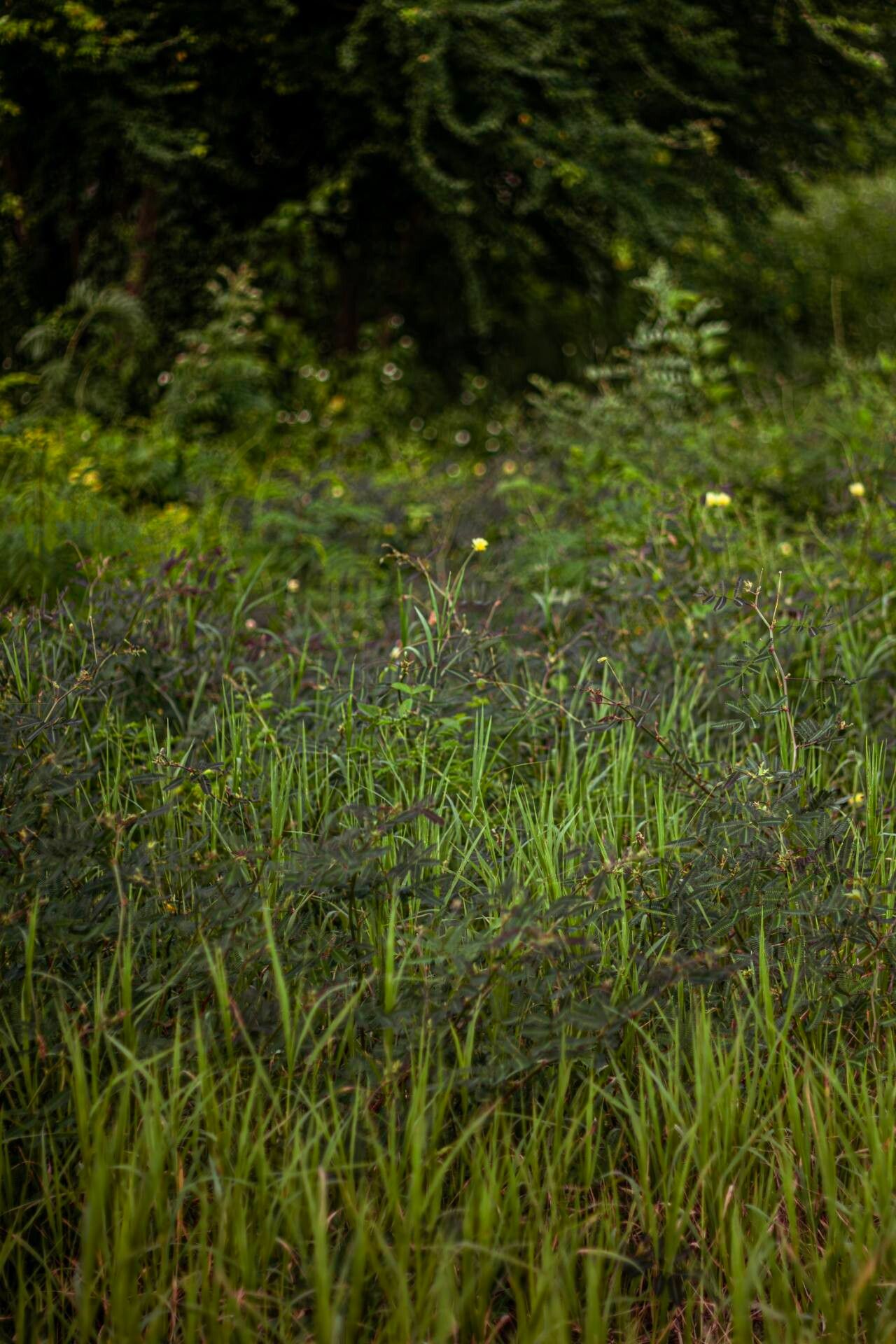
Hello, fellow plant enthusiasts! It’s so lovely to connect with you today. I’ve been getting my hands dirty in the garden for two decades now, and I still get a thrill from coaxing new life from existing plants. Today, we’re going to talk about a rather special aquatic gem: Neptunia plena.
Your Aquatic Adventure Awaits: Why Propagate Neptunia Plena?
Neptunia plena, often called the “water sensitive plant” or “creeping Neptunia,” is just delightful. Its feathery foliage and delicate yellow flowers bring a touch of whimsy to any water feature or damp bog garden. Propagating it is a wonderful way to share its charm or simply to expand your own aquatic paradise. For beginners, I’d say Neptunia plena falls into the wonderfully achievable category. It’s not one of those fussy plants that demands perfection, which makes it a joy for new propagators.
When to Get Planting: The Best Time to Start
My favorite time to propagate Neptunia plena is during its active growth phase. This typically falls in late spring through to mid-summer. You’ll see lots of new shoots and lush growth, which means the plant has plenty of energy to put into developing roots. Waiting until after the risk of frost has passed is crucial, especially if you live in a cooler climate.
Gathering Your Tools: What You’ll Need
Before we dive in, let’s make sure you’ve got everything squared away. Having your supplies ready makes the whole process feel much smoother.
- Sharp Pruning Shears or a Clean Knife: Essential for making clean cuts to avoid damaging the plant.
- Rooting Hormone (Optional but Recommended): A little boost can speed things up. Look for one specifically for herbaceous cuttings.
- Small Pots or Containers: Clean pots are best. If you’re water propagating, you’ll need jars or small glasses.
- Well-Draining Potting Mix: I like a blend of peat moss, perlite, and a bit of sand for my aquatic plants. For Neptunia plena cuttings, a lighter mix is ideal.
- Watering Can or Spray Bottle: For gentle watering.
- Plastic Bag or Humidity Dome (Optional): To create a mini-greenhouse effect.
Bringing New Life. The Propagation Methods
Neptunia plena is quite forgiving and can be propagated using a couple of straightforward methods.
Method 1: Stem Cuttings – My Go-To
This is my favorite way to propagate Neptunia plena. It’s efficient and usually yields great results.
- Select a healthy stem: Look for a non-flowering stem that’s at least 4-6 inches long. Gently bend it – if it snaps cleanly, it’s likely a good candidate.
- Make the cut: Using your sharp shears or knife, make a clean cut just below a leaf node. A leaf node is where a leaf attaches to the stem. This is where the magic of root formation usually happens.
- Prepare the cutting: Remove the lower leaves from the bottom half of the cutting. You can leave a couple of leaves at the top. If the remaining leaves are very large, feel free to trim them in half to reduce water loss.
- Apply rooting hormone (optional): Dip the cut end into a rooting hormone powder, tapping off any excess.
- Plant your cutting: Create a small hole in your potting mix with your finger or a pencil. Gently insert the cutting, ensuring the leaf nodes are buried. Firm the soil gently around the stem.
- Water and cover: Water the soil lightly. If you’re using a plastic bag or humidity dome, place it over the pot, making sure the bag doesn’t touch the leaves.
Method 2: Water Propagation – The Patient Watch
This is a very visual and rewarding method if you enjoy watching roots develop.
- Prepare your cutting: Follow steps 1-3 from the stem cutting method.
- Place in water: Fill a clean jar or glass with room-temperature water. Submerge the cut end of the stem, making sure no leaves are touching the water. If leaves are submerged, they tend to rot.
- Find a bright spot: Place the jar in a location that receives bright, indirect light.
- Change the water: Change the water every few days to keep it fresh and prevent the development of algae.
- Wait for roots: You should start to see tiny white root nubs appearing from the leaf nodes in a couple of weeks. Once these roots are about an inch long, you can carefully transplant them into soil.
The “Secret Sauce”: A Few Gardener’s Insights
Here are a couple of things I’ve learned over the years that can really give your cuttings a head start.
- Bottom Heat is Your Friend: Neptunia plena loves warmth, especially when it’s trying to root. Placing your pots on a warm windowsill or a seedling heat mat (set to a gentle warmth, not hot!) can make a huge difference in how quickly roots form.
- Don’t Drown Your Cuttings: For stem cuttings in soil, keep the potting mix consistently moist but not waterlogged. You’re aiming for the dampness of a wrung-out sponge. Overwatering is the quickest way to invite rot.
Aftercare and What to Watch For
Once you see those little roots taking hold, you’re well on your way!
- Transplanting: If you propagated in water, wait until the roots are at least an inch long before carefully transplanting them into your chosen damp soil mix. If you started in soil, you’ll know roots have formed when you see new leaf growth. You can gently tug on the stem to feel for resistance.
- Gradual Acclimation: If you used a humidity dome or plastic bag, start slowly introducing your new plant to normal room humidity by lifting the cover for increasing periods each day. This prevents shock.
- Troubleshooting – The Dreaded Rot: The most common issue you might encounter is rot. This usually happens when cuttings are kept too wet or the water isn’t changed regularly in water propagation. If you see a mushy, dark stem or leaves turning yellow and limp, it’s often a sign of rot. Sadly, in these cases, it’s best to discard the affected cutting and try again. Cleanliness is key – always use clean tools and containers.
Keep Growing!
Propagating Neptunia plena is such a rewarding experience. It connects you more deeply with your plants and the cycle of nature. Be patient with your new cuttings. Not every one will make it, and that’s perfectly okay. Just keep experimenting, keep learning, and most importantly, enjoy watching your garden flourish! Happy propagating, everyone!
Resource:
https://identify.plantnet.org/k-world-flora/species/Neptunia%20plena%20(L.)%20Benth./data