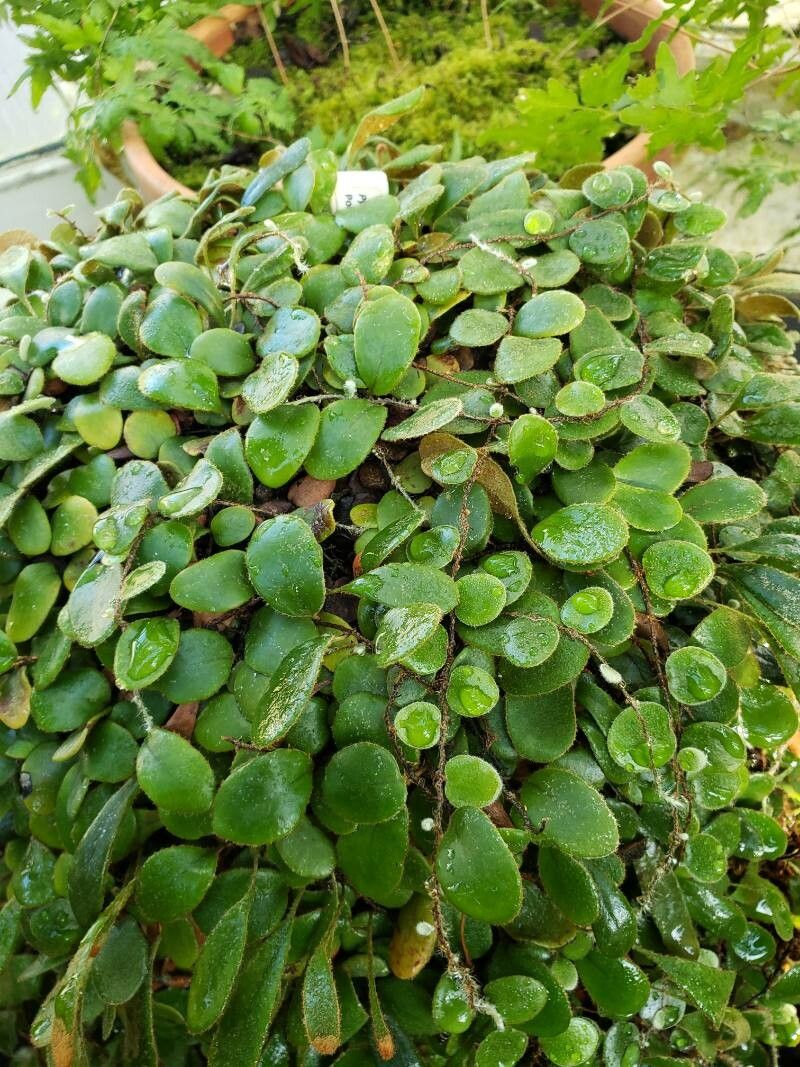
Hey there, fellow plant lovers! Today, we’re diving into the wonderful world of Pyrrosia nummulariifolia, also known as the Coin Leaf Fern. If you’ve ever admired its charming, coin-like leaves cascading from a pot, you’re not alone. I’ve always found this fern to be utterly delightful and surprisingly adaptable. The best part? It’s not nearly as tricky to propagate as some might think, making it a perfectly achievable project for most home gardeners, even if you’re just starting out. Getting more of these beauties from your existing plants feels incredibly rewarding, like giving life and spreading that special green magic.
When is the Best Time to Start?
For the most vigorous growth and therefore the highest success rates, I like to start propagating Pyrrosia nummulariifolia in the late spring or early summer. This is when the plant is naturally in its active growth phase. You’ll see fresh fronds unfurling, and the plant has plenty of energy to put into developing new roots. Trying to propagate when the plant is dormant in the colder months will be a much slower and less successful endeavor.
What You’ll Need to Gather
Before we get our hands dirty, let’s make sure we have our tools ready:
- Sharp, clean pruning shears or a knife: For making clean cuts.
- Potting mix: A well-draining mix is crucial. I often use a blend of peat moss or coco coir, perlite, and a bit of orchid bark for good aeration.
- Small pots or containers: Terracotta pots are great as they allow the soil to breathe.
- Rooting hormone (optional): While not always strictly necessary for this fern, it can give young cuttings a helpful boost.
- Watering can or spray bottle: For gentle hydration.
- Patience!
Let’s Get Propagating!
Pyrrosia nummulariifolia is most easily propagated by dividing rhizomes. This fern grows via creeping rhizomes, which are essentially underground stems, and these are perfect for splitting.
Here’s how I do it:
- Gently remove the plant from its pot. Tip the pot on its side and ease the plant out. If it’s a bit stuck, a gentle tap around the sides can help.
- Inspect the rhizomes. You’ll see these thick, hairy stems crawling over the surface of the soil or just beneath it. Look for sections of the rhizome that have leafy growth and some established roots already attached.
- Carefully separate the rhizomes. Using your clean shears or knife, cut through the rhizome to divide the plant. Aim to create pieces that have at least a few leaves and a good cluster of roots. You can gently tease sections apart with your fingers if they are easily separable. Don’t be afraid if a few smaller roots break; the plant is resilient.
- Pot up your new divisions. Take your new rhizome sections and plant them in their own small pots filled with your prepared potting mix. Bury the roots just below the surface, ensuring the base of the leaves is above the soil line. The rhizome itself can rest on or just under the surface.
- Water gently. Give each newly potted division a good, but gentle, watering. You want the soil to be moist, not waterlogged.
The “Secret Sauce” to Success
These are a few things I’ve learned over the years that really make a difference:
- Don’t over-pot. Start your new divisions in small pots. They will naturally send out more roots when they are a bit snug. Over-potting can lead to soggy soil and root rot.
- Mimic humidity. While not as fussy as some tropicals, a little extra humidity around young divisions can encourage faster rooting. I often group newly potted plants together or place them in a slightly more humid spot in my home, like a kitchen or bathroom (if they get indirect light, of course).
- Observe, don’t poke! It’s tempting to dig around and check for new roots constantly. Resist the urge! Let the plant establish itself. You’ll see new leaf growth as a sure sign that roots are forming.
Aftercare and What to Watch For
Once your new Pyrrosia divisions are in their pots, keep them in a spot with bright, indirect light. Avoid direct sun, which can scorch those lovely leaves. Keep the soil consistently moist but never soggy. Water when the top inch of soil begins to feel dry.
The most common issue you might encounter is root rot, which usually happens from overwatering. You’ll notice yellowing or browning leaves, and the rhizome might feel mushy. If you see this, gently remove the plant from its pot and check the roots. Trim away any rotten parts and repot in fresh, dry mix. If you catch it early, you can often save it.
Go Forth and Multiply!
Propagating Pyrrosia nummulariifolia is a simple and satisfying way to expand your plant collection. Be patient with your new divisions; they might take a little time to show significant new growth, but when they do, it’s a wonderful feeling. Enjoy the process, and soon you’ll have coin leaf ferns to share or simply to enjoy in more places around your home! Happy gardening!
Resource:
https://identify.plantnet.org/k-world-flora/species/Pyrrosia%20nummulariifolia%20(Sw.)%20Ching/data