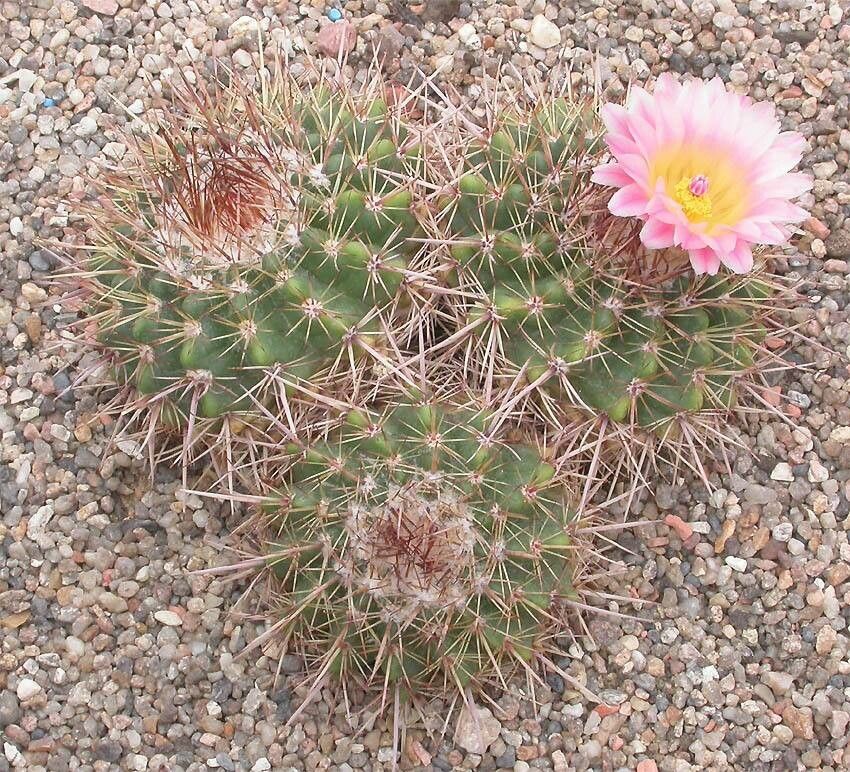
Ah, Parodia herteri! You know, for me, this cactus is like a little spiky jewel. It’s those tightly packed ribs and the sometimes-spectacular blooms that really capture the imagination. And the joy of coaxing new life from an established plant? It’s just incredibly satisfying. For those wondering, I’d say Parodia herteri is moderately easy to propagate. A good beginner cactus, but with a few quirks to be aware of.
The Best Time to Start
Spring is generally your best bet. Your Parodia herteri will be actively growing then, which means it’s more receptive to stress and more eager to put out roots. Wait until the plant is mature enough that taking off a segment won’t leave it looking too sad.
Supplies You’ll Need
- Well-draining cactus and succulent soil mix: I usually mix my own by combining perlite, coarse sand, and good quality potting soil.
- Sharp, clean pruning shears or a sturdy knife: Cleanliness is key to preventing disease.
- Rooting hormone (optional, but recommended): A powder or liquid can give your cuttings a nice boost.
- Small pots or trays: Something that allows for good airflow and drainage.
- Labels: So you don’t forget what you’ve propagated!
- Spray bottle: For gentle misting.
- Potting medium: Such as perlite, vermiculite, or even just more of your cactus mix.
Propagation Methods
For Parodia herteri, offsets are your easiest route. These are the little baby cacti that grow at the base of the mother plant.
- Carefully remove the offset. Use your clean shears or knife to gently cut the offset away from the main plant, making sure to get a clean cut as close to the parent as possible. If there are any tiny roots already attached to the offset, that’s a bonus!
- Let the offset callous over. This is super important! Place the severed offset in a dry, well-ventilated spot away from direct sunlight for several days to a week. You want the cut surface to dry out and form a protective layer, almost like a little scab. This prevents rot when you plant it.
- Plant the offset. Once calloused, gently press the cut end into your prepared cactus mix. You don’t need to bury it too deeply. Just enough so it stands upright.
The “Secret Sauce” (Pro Tips)
- Don’t water too soon. Resist the urge to water your newly planted offsets immediately. Wait at least a week, sometimes two, after planting. This gives any tiny, unseen wounds time to heal and further reduces the risk of rot.
- Bottom heat can be your friend. If you’re propagating in a cooler environment, placing your pots on a gentle heated mat designed for seedlings can significantly speed up root development. It mimics that nice warm soil that cacti love.
- Think about airflow. Good air circulation is vital for cacti. When your offsets are callousing, and even after planting, ensure they are in a spot with plenty of fresh air movement, but avoid cold drafts.
Aftercare & Troubleshooting
Once your offset shows signs of rooting – you might see a bit of new growth, or it will feel more firmly anchored when gently tugged – you can begin watering very sparingly. Think a good soak, then let the soil dry out completely before watering again.
The most common issue you’ll face is rot. If your offset looks mushy, dark, or seems to be collapsing, it’s likely rotting. Unfortunately, if rot sets in significantly, it’s often too late to save. Prevention is truly key here by ensuring sharp tools, proper callousing, and judicious watering. If you catch a tiny bit of mush early, you can sometimes cut away the affected part and let the healthy section callous again, but it’s a gamble.
A Encouraging Closing
Be patient with your little cacti! Propagation is a journey, and sometimes it takes a bit of trial and error. But watching those tiny roots take hold and seeing new growth emerge is such a rewarding experience. Happy propagating!
Resource:
https://identify.plantnet.org/k-world-flora/species/Parodia%20herteri%20(Werderm.)%20N.P.Taylor/data