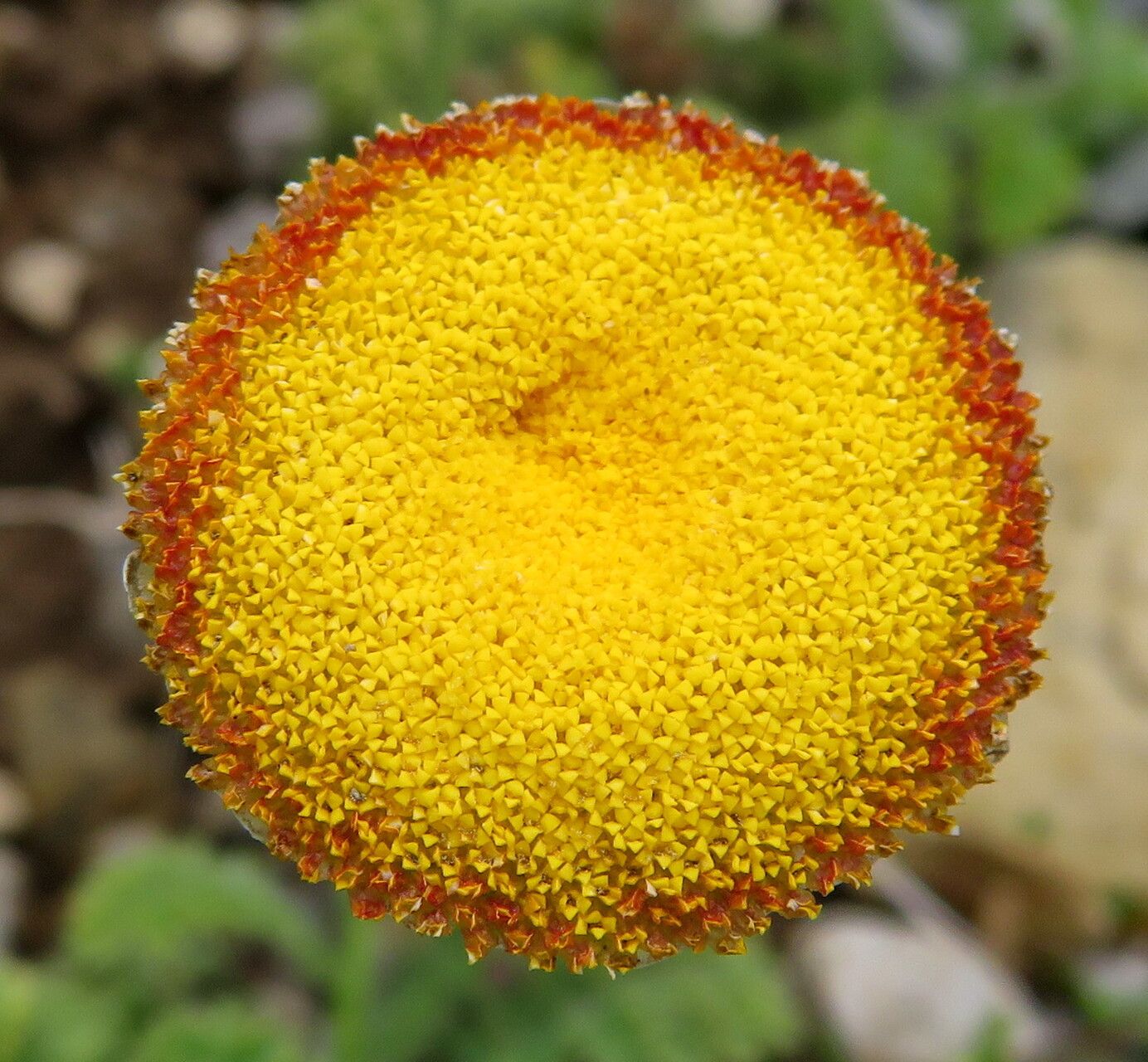
Hello, fellow plant enthusiasts! Today, I want to share a little secret that’s brought me so much joy in my garden over the years: Cotula socialis. You might know it by its common name, the Button Daisy, and oh, what a delight it is! Its delicate, ferny foliage forms a delightful mat, sprinkled with tiny, cheerful white daisy-like flowers. It’s just wonderful for filling in gaps, spilling over edges, or even as a groundcover in sunnier spots.
If you’re looking for a plant that’s pretty forgiving and gives you a fantastic sense of accomplishment, you’re in luck. Propagating Cotula socialis is, in my experience, absolutely beginner-friendly. It’s one of those plants that’s eager to share itself, and that’s a truly rewarding feeling for any gardener, seasoned or just starting out.
The Best Time to Start
For the highest success rate with Cotula socialis, I find the late spring or early summer to be the absolute sweet spot. This is when the plant is actively growing and has plenty of energy to put into rooting. You’re looking for healthy, vigorous stems that aren’t flowering heavily. Think of it like taking cuttings from a plant that’s just bursting with life – it’s more likely to thrive!
Supplies You’ll Need
Gathering your tools beforehand makes the whole process so much smoother. Here’s what I usually have on hand:
- Sharp pruning shears or scissors: Clean cuts are crucial for healthy rooting.
- Small pots or seed trays: Whatever you have available will work.
- Well-draining potting mix: A standard potting soil mixed with perlite or coarse sand works wonderfully. Some gardeners swear by a seed-starting mix too.
- Rooting hormone (optional but recommended): This can give your cuttings a nice little boost.
- Dibber or pencil: To create planting holes.
- Watering can or spray bottle: For gentle watering.
Propagation Methods
There are a couple of ways to go about this, but my favorite for Cotula socialis is by stem cuttings. It’s straightforward and usually yields great results.
Stem Cuttings:
- Select your stems: Look for healthy, non-flowering stems from your established plant. They should be about 3-4 inches long.
- Make the cut: Use your sharp shears to take a clean cut just below a leaf node (where a leaf attaches to the stem). This is where the magic of rooting often happens.
- Prepare the cutting: Gently remove the leaves from the bottom half of the cutting. You want to expose the nodes, as these are where new roots will emerge.
- Apply rooting hormone (optional): Dip the cut end of the stem into your rooting hormone, tapping off any excess.
- Plant your cuttings: Fill your pots or trays with your well-draining mix. Use a dibber or pencil to make small holes in the soil.
- Insert the cuttings: Place the prepared cuttings into the holes, ensuring the nodes are buried. Gently firm the soil around them.
- Water gently: Water the newly planted cuttings thoroughly but gently. You don’t want to disturb them too much.
Another easy method, especially if you’re just playing around, is water propagation.
Water Propagation:
- Prepare your cuttings: Follow steps 1-3 from the stem cuttings method.
- Place in water: Put the cuttings into a small jar or glass of water. Make sure none of the leaves are submerged. Leaves in water will rot and can take your cutting down with them.
- Find a bright spot: Place the container in a bright location, out of direct sunlight.
- Change the water: Change the water every couple of days to keep it fresh and prevent bacterial growth.
- Watch for roots: You should start seeing tiny white roots emerging from the nodes within a few weeks. Once the roots are about an inch long, you can plant them in pots with soil, following the initial planting steps from the stem cuttings method.
The “Secret Sauce” (Pro Tips)
Over the years, I’ve picked up a few little tricks that seem to make all the difference:
- Don’t let the leaves touch the water: I’ll say it again! This is so important for water propagation. Leaves rot, and rot is the enemy of a healthy cutting.
- Consider bottom heat (especially for cuttings): If you’re propagating indoors and find your room a bit cool, placing your pots on a gentle heating mat can really speed up root development. It mimics the warmth they’d get in the soil during spring. You don’t need it scorching hot, just a gentle warmth is fantastic.
- Humidity is your friend: New cuttings don’t have developed root systems to take up water efficiently. Covering your pots with a clear plastic bag or a propagation dome creates a humid environment that significantly reduces wilting and helps them establish. Just be sure to vent it occasionally to prevent mold.
Aftercare & Troubleshooting
Once you see signs of rooting – new leaf growth is a good indicator, or you can gently tug on the cutting and feel resistance – it’s time for a bit of extra TLC.
Caring for New Roots:
- Gradual acclimatization: If you’ve used a plastic bag or dome, start by removing it for a few hours each day to let the young plants get used to the drier air.
- Consistent moisture: Keep the soil lightly moist, not waterlogged. Overwatering is a common mistake that can lead to root rot.
- Bright, indirect light: Continue to provide them with bright light, but avoid harsh, direct sun which can scorch their tender new leaves.
Troubleshooting:
The most common culprit for failure is rot. If your cuttings turn black and mushy, it’s usually a sign of too much moisture and not enough air circulation. This is why a well-draining mix and proper venting of humidity covers are so vital. If a cutting looks limp and sad but isn’t mushy, it might just be a bit stressed. Keep it consistently moist and in a good spot, and it might bounce back.
And there you have it! Don’t be discouraged if not every single cutting takes. Gardening is a journey, and sometimes nature has its own plans. Be patient with your little sprouts, celebrate every success, and most importantly, enjoy the process of watching new life bloom from your own hands. Happy propagating!
Resource:
https://identify.plantnet.org/k-world-flora/species/Cotula%20socialis%20Hilliard/data