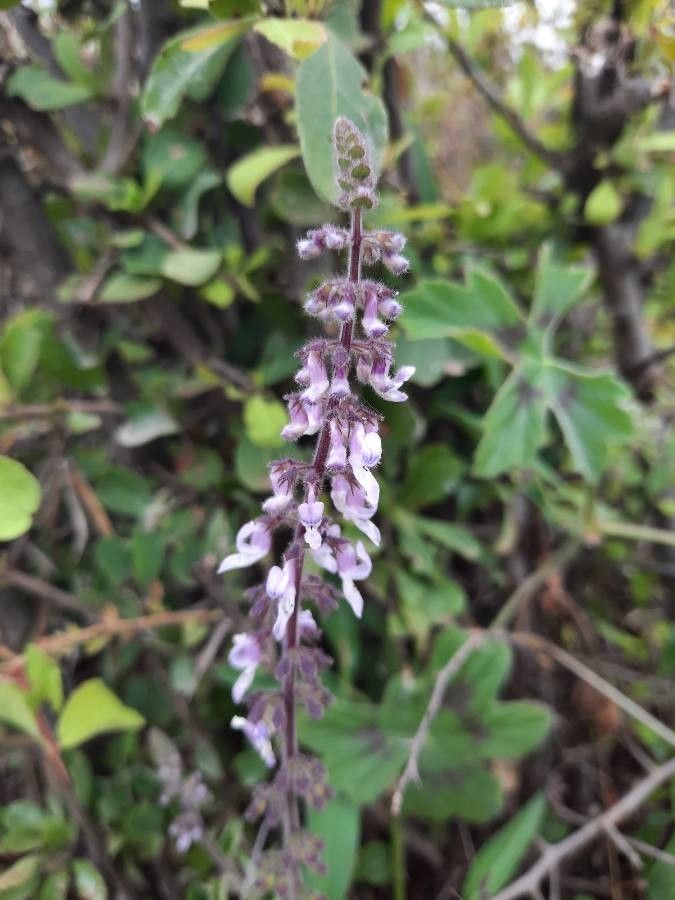
Oh, hello there! So glad you stopped by. Today, we’re diving into the wonderful world of Orthosiphon rubicundus, often called Cat’s Whiskers. If you’re looking for a plant that brings a splash of elegant, architectural beauty to your garden, this is it. Those delicate, tubular flowers are a favorite for pollinators, and truthfully, there’s just something so satisfying about coaxing a new plant into existence from a piece of an established one.
Now, about getting started. Is Orthosiphon rubicundus a beginner’s dream? I’d say it’s a delightful adventure for beginners who are willing to pay a little attention. It’s not ridiculously finicky, but it does appreciate a bit of care.
The Best Time to Start
For the highest success rate with Orthosiphon rubicundus, I always recommend starting in late spring or early summer. This is when the plant is actively growing and has plenty of energy to put into developing roots. You want to work with healthy, vigorous stems, not anything that looks stressed or has just finished flowering.
Supplies You’ll Need
To get these little beauties going, you’ll want to gather a few things:
- Sharp Pruning Shears or a Clean Knife: For taking clean cuttings.
- Rooting Hormone (Optional but Recommended): A powder or gel to encourage root development.
- Well-Draining Potting Mix: I like a blend of peat moss, perlite, and a bit of compost. You can also use a commercial seed-starting mix.
- Small Pots or Seed Trays: With drainage holes, of course!
- Clear Plastic Bags or a Propagator: To create a humid environment.
- Watering Can or Spray Bottle: For gentle watering.
Propagation Methods
Let’s get our hands dirty! The most reliable way I’ve found to propagate Orthosiphon rubicundus is through stem cuttings.
- Take Cuttings: Choose a healthy branch from your established plant. Using your clean shears, cut a section that’s about 4-6 inches long. Make the cut just below a leaf node (where a leaf attaches to the stem).
- Prepare the Cuttings: Gently remove the lower leaves from the cutting, leaving just a few at the top. This prevents them from rotting when you plant them.
- Apply Rooting Hormone (If Using): Dip the cut end of the stem into the rooting hormone, tapping off any excess. This step isn’t strictly necessary for Orthosiphon rubicundus, but it really can speed things up, especially if you’re a bit nervous.
- Potting Up: Fill your small pots or trays with your well-draining mix. Gently insert the prepared cuttings into the soil, making sure they are firm enough to stand upright. Space them out a few inches apart if you’re using a tray.
- Water Gently: Water the soil thoroughly but gently. You don’t want to dislodge your cuttings.
- Create Humidity: Cover the pots or tray with a clear plastic bag or place them in a propagator. This creates a mini-greenhouse effect, which is crucial for cuttings to root. Make sure the leaves aren’t touching the plastic if possible; you can use stakes to prop it up.
The “Secret Sauce” (Pro Tips)
Here are a couple of things I’ve learned over the years that can really boost your chances:
- Bottom Heat is Your Friend: This is a game-changer! Placing your pots on a gentle heating mat designed for propagation can significantly speed up root formation. It mimics the warmth of spring soil and gives those little root cells a nudge.
- Don’t Drench, Mist: While you want the soil to be consistently moist, avoid overwatering. Soggy soil is the quickest way to invite rot. I love to use a spray bottle to mist the soil and the cuttings every day or two, especially if the humidity isn’t quite high enough. It keeps things just right.
Aftercare & Troubleshooting
Once you see new growth emerging from the top of your cutting, that’s a fantastic sign that roots are forming! Gradually acclimate your new plants to open air by removing the plastic cover for increasing lengths of time over a week or so. Once they look robust, you can transplant them into slightly larger pots.
The most common issue you’ll encounter is rot. If your cutting starts to turn black and mushy, it’s usually a sign of too much moisture and not enough air circulation. Sadly, if this happens, it’s best to discard that cutting and start again, paying closer attention to watering and humidity.
A Encouraging Closing
So there you have it! Propagating Orthosiphon rubicundus is a rewarding process. Be patient, observe your cuttings, and don’t get discouraged if your first attempt isn’t perfect. Every gardener has a few “lost causes” in their past! Enjoy the journey of nurturing these beautiful plants, and soon you’ll have even more of those lovely Cat’s Whiskers to share. Happy growing!
Resource:
https://identify.plantnet.org/k-world-flora/species/Orthosiphon%20rubicundus%20(D.Don)%20Benth./data