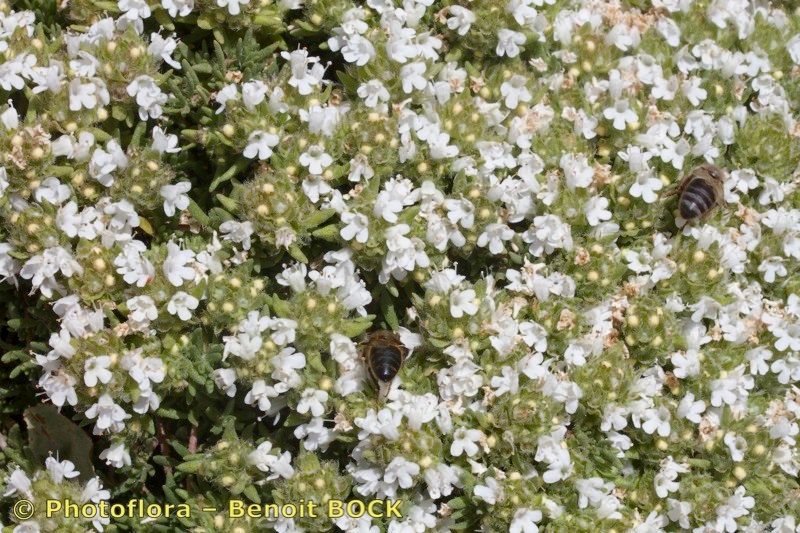
Hello fellow garden enthusiasts! Today, I want to talk about a real gem for the herb garden: Thymus atlanticus. If you love the scent of thyme but are looking for something a little different, this one’s for you. It’s a lovely, bushy Mediterranean herb, often with beautiful pinky-purple flowers that the bees absolutely adore. And the best part? It’s surprisingly easy to grow from cuttings!
You know, there’s something incredibly satisfying about making more of your favorite plants. It saves you money, of course, but it’s also just a wonderful feeling to nurture those tiny beginnings into healthy, thriving specimens. For Thymus atlanticus, I can tell you right now, this is a fantastic plant for beginners looking to dip their toes into propagation. You’ll be rewarded with new plants in no time.
The Best Time to Start
For the highest chance of success with Thymus atlanticus, I always recommend taking cuttings in late spring or early summer, right after it’s finished its main flush of flowering. This is when the plant is actively growing, and the new stems have a good balance of being flexible but not too soft. You want stems that are firm but can still bend without snapping.
Supplies You’ll Need
Gathering your tools beforehand makes the whole process smooth and enjoyable. Here’s what I typically have on hand:
- Sharp pruning shears or a clean, sharp knife: For taking clean cuts.
- Rooting hormone (optional but recommended): Encourages faster root development.
- Propagating tray or small pots: About 3-4 inch pots are perfect.
- Light, well-draining potting mix: A 50/50 blend of perlite and peat moss or coco coir works wonderfully. You can also use a standard seed-starting mix with some added perlite.
- Watering can or spray bottle: For gentle watering.
- A plastic bag or clear dome: To create a humid environment.
Propagation Methods
I find that stem cuttings are by far the most reliable and rewarding way to go with Thymus atlanticus. It’s straightforward and gives you a great result.
Stem Cuttings:
- Select your stems: Head out to your Thymus atlanticus plant and look for healthy, non-flowering stems. You’re aiming for stems that are about 3-5 inches long.
- Make the cut: Using your sharp shears, cut just below a leaf node (where the leaves attach to the stem). This is where roots are most likely to form.
- Prepare the cuttings: Gently strip off the leaves from the bottom inch or two of each cutting. You want to remove any leaves that would be below the soil line. If the remaining leaves are very large, you can snip them in half to reduce water loss.
- Dip in rooting hormone (optional): If you’re using rooting hormone, dip the cut end of each stem into it, tapping off any excess.
- Plant your cuttings: Fill your pots or tray with your prepared potting mix. Make small holes in the soil with a pencil or your finger. Insert the bottom inch of each cutting into a hole, firming the soil around it gently. You can fit several cuttings into one pot, leaving an inch or two between them.
- Water gently: Water thoroughly but gently. You want the soil to be moist, not waterlogged.
- Create humidity: Cover the pots loosely with a plastic bag or a clear dome. This will create a mini-greenhouse effect, keeping the humidity high, which is crucial for cuttings.
The “Secret Sauce” – Pro Tips
Here are a couple of little tricks that have always helped me when propagating thyme:
- Don’t let those leaves touch the water: If you decide to try water propagation (though I find cuttings in soil are easier for Thymus atlanticus), make sure absolutely no leaves are submerged. Any leaves in the water will rot, and that rot can spread to the stem, dooming your cutting before it even has a chance to root.
- Consider bottom heat: If you have a propagation mat or a warm windowsill, a little gentle bottom heat can really speed things up. It encourages root development from below. Just make sure it’s not too hot – you don’t want to cook those little roots before they even form!
- Start with more than you think you need: Not every cutting will take, and that’s perfectly okay. Propagating a few extra ensures you’ll end up with plenty of new plants by the end of it.
Aftercare & Troubleshooting
Once your cuttings are potted, find them a bright spot out of direct, scorching sun. Keep the soil consistently moist but not soggy. After a few weeks, you should start to see signs of new growth. You can gently tug on a cutting to feel for resistance – that’s a sure sign roots are forming!
The most common issue you might encounter is rot. If you see the stem turning mushy or black, especially at the soil line, it’s usually a sign of too much moisture and not enough air circulation. Make sure your soil is draining well and pull out any cuttings that show signs of rot to prevent it from spreading.
A Little Patience Goes a Long Way
So there you have it! Propagating Thymus atlanticus is a wonderfully rewarding experience. Be patient with your little cuttings, give them the right conditions, and before you know it, you’ll have a whole new batch of this delightful herb to enjoy. Happy propagating!
Resource:
https://identify.plantnet.org/k-world-flora/species/Thymus%20atlanticus%20(Ball)%20Pau/data