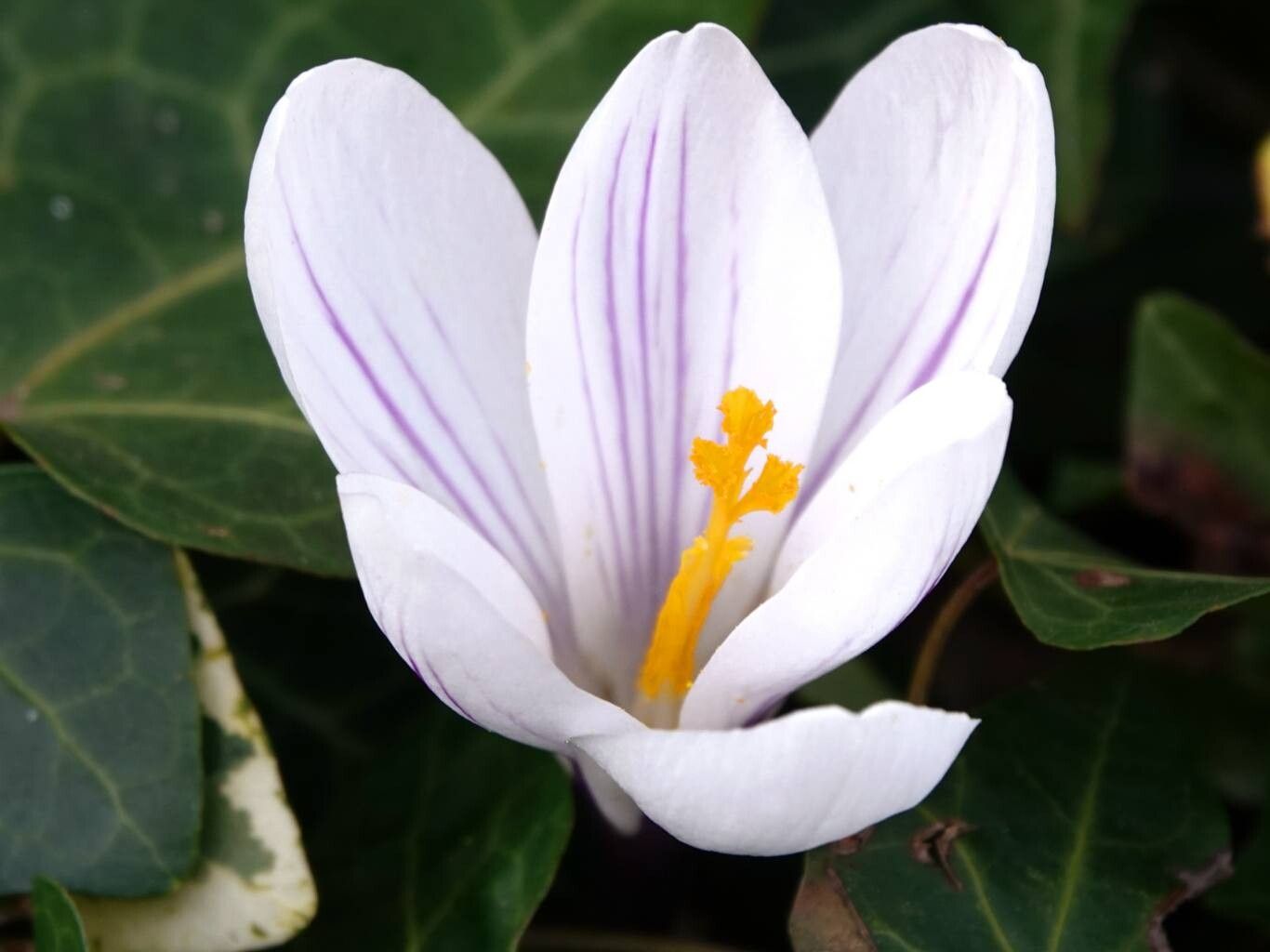
Hello fellow garden enthusiasts! Today, I want to chat about one of my absolute springtime favorites: Crocus flavus, also known as the Dutch yellow crocus. There’s something so wonderfully cheerful about these little golden cups peeking through the still-chilly soil. They’re like a promise of brighter days, and the best part? They’re surprisingly easy to multiply! If you’re looking to brighten your garden next spring, propagating Crocus flavus is a fantastic and rewarding project, even for beginners.
The Best Time to Start
For Crocus flavus, the magic really happens after the foliage has died back completely. This typically happens in late spring or early summer, after they’ve finished their blooming and gathering energy for next year. This is when their corms (which look like tiny bulbs, but are technically modified stems) are at their plumpest and most receptive to division. Trying to propagate them while they’re actively growing or flowering can stress them out, so patience is key here.
Supplies You’ll Need
Gathering your tools beforehand makes the whole process smoother. Here’s what you’ll want in your kit:
- A clean trowel or small spade: For gently lifting the corms.
- A sharp knife or small pruning shears: To separate the corms. Make sure they are clean!
- A tray or shallow container: To hold the separated corms.
- A well-draining potting mix: I like a blend of sterile potting soil and perlite or horticultural sand. For these little guys, something light is best.
- Gloves (optional): If you have sensitive skin.
- Labels and a pen: To mark what you’ve planted and where!
Propagation Methods: Letting Nature Guide You
Crocus flavus is primarily propagated through division of its corms. This method is incredibly straightforward and mimics how they naturally spread underground.
- Dig Gently: Once the leaves and stems of your Crocus flavus have turned yellow and withered away, carefully dig around the plant with your trowel. You’re looking to loosen the soil and expose the cluster of corms. Don’t just yank them out; get your trowel a few inches away to avoid damaging the precious corms.
- Lift and Separate: Once you’ve unearthed the clump, gently shake off any excess soil. You’ll likely see the main corm from last year, plus several smaller “cormels” or offsets clinging to it. These are your new baby crocuses!
- Divide with Care: Using your clean knife or pruning shears, carefully cut or twist apart the cormels from the parent corm. If a cormel has a bit of root attached, even better. Don’t worry if you’re not perfect; they’re pretty resilient.
- Prepare for Planting: You can either replant them immediately or let them dry for a day or two in a cool, dry, well-ventilated spot. This helps prevent rot.
- Replant: Fill your chosen containers or a dedicated patch in the garden with your well-draining potting mix. Plant the corms about 2-3 inches deep, with the pointed end facing upwards. Space them a few inches apart to give them room to grow.
The “Secret Sauce” (Pro Tips)
Here are a couple of little tricks I’ve learned over the years that can really boost your success:
- Let them cure: After dividing, I like to let my corms “cure” in a dry, airy place for a week or two before replanting. This sounds counter-intuitive, but it actually helps their protective tunic dry out slightly, making them less susceptible to fungal issues when they go back into the soil. Just spread them out on a tray in a shady spot.
- Think about their natural habitat: Crocuses love good drainage. If you’re planting them in pots, make sure those pots have drainage holes, and don’t let them sit in water. Even in the ground, I often amend the soil with extra grit or compost to ensure it doesn’t stay soggy, especially over winter.
- Don’t forget the label! It sounds simple, but a year later, you might forget which patch has your new Crocus flavus from this year’s propagation. A simple label marking the variety and the year can save confusion.
Aftercare & Troubleshooting
Once your corms are replanted, give them a gentle watering. The key is to keep the soil lightly moist but never waterlogged. Overwatering is the most common culprit for corm rot. You’ll know rot has set in if the corms become mushy and develop a foul smell. If you see this, unfortunately, it’s best to discard those corms to prevent it from spreading.
During their dormancy period (summer and fall), they don’t need much attention, just a watchful eye for weeds. When spring rolls around, be patient! Your newly propagated corms might not flower as profusely as established ones in their first year, but they will grow, and you’ll likely see those beautiful golden blooms appear.
There you have it! Propagating Crocus flavus is a wonderful way to increase your blooming power for the spring and share these sunny delights with friends. Be patient with the process, trust your instincts, and enjoy watching your garden grow. Happy planting!
Resource:
https://identify.plantnet.org/k-world-flora/species/Crocus%20flavus%20Weston/data