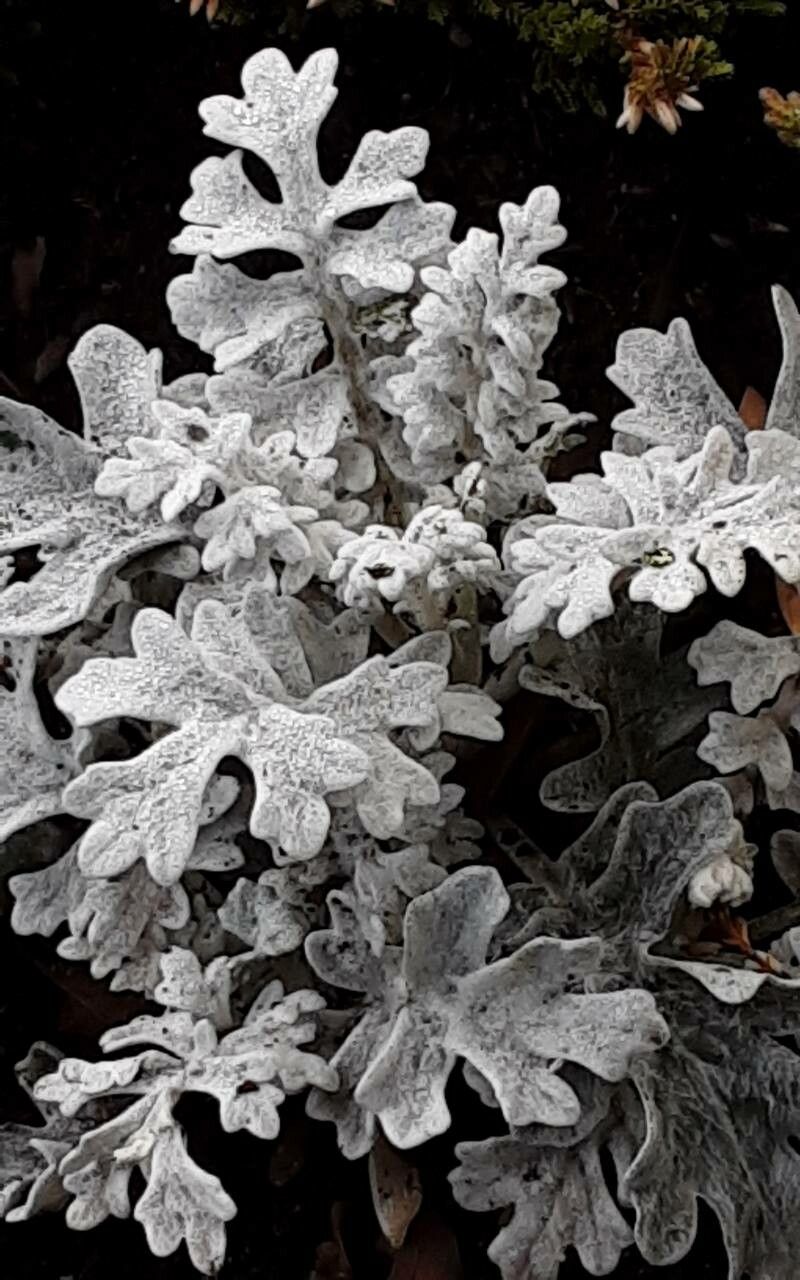
Hello, fellow plant lovers! I’m so excited to chat with you today about a truly charming plant that’s become a favorite in my garden: Jacobaea leucophylla, or as it’s more commonly known, Silver Ragwort. Its silvery-white foliage is just breathtaking, adding a wonderful splash of cool color that can brighten up even the shadiest corners. And the best part? It’s surprisingly simple to grow more of these beauties! If you’re looking for a plant that’s beginner-friendly to propagate, you’ve found a winner. It’s incredibly rewarding to watch a tiny cutting develop into a robust new plant, expanding your collection without breaking the bank.
The Best Time to Start
For Jacobaea leucophylla, the sweet spot for propagation is late spring to early summer. This is when the plant is actively growing and has plenty of energy to put into developing new roots. You want to take cuttings from healthy, non-flowering stems. These are tender and more pliable, making them much more likely to root successfully.
Supplies You’ll Need
Gathering your tools beforehand makes the whole process smooth sailing. Here’s what I always have on hand:
- Sharp Pruning Shears or a Clean Knife: Essential for making clean cuts.
- Rooting Hormone (Optional, but recommended): A little dust or gel can really give your cuttings a boost.
- Well-Draining Potting Mix: A good blend of peat moss, perlite, and a little bit of compost works wonders. You can also buy specialized seed-starting or cutting mixes.
- Small Pots or Seedling Trays: Whatever you have available to house your new babies. Make sure they have drainage holes!
- Plastic Bags or a Clear Propagator Lid: This creates a humid environment, which is crucial for cuttings to root.
- Watering Can with a Fine Rose: For gentle watering.
Propagation Methods
Jacobaea leucophylla is a dream to propagate from stem cuttings. It’s the method I use most frequently, and it’s incredibly effective.
- Take the Cuttings: With your clean shears or knife, select a healthy, semi-woody stem from your mature plant. Aim for cuttings that are about 4-6 inches long. Make your cut just below a leaf node (where a leaf emerges from the stem). Remove the lower leaves, leaving just a few at the top.
- Prepare the Cutting: If you’re using rooting hormone, dip the cut end of the stem into it. Gently tap off any excess.
- Plant the Cuttings: Fill your small pots or trays with your well-draining potting mix. Make a pilot hole in the center of the soil with your finger or a pencil. Insert the prepared cutting into the hole, ensuring the leaf nodes that were below the soil line are covered. Gently firm the soil around the base of the cutting.
- Water and Cover: Water the soil thoroughly but gently until you see water draining from the bottom of the pot. Then, cover the pot with a plastic bag or a propagator lid. This creates a mini-greenhouse effect.
The “Secret Sauce” (Pro Tips)
Here are a couple of things I’ve learned over the years that can really make a difference:
- Don’t Crowd Your Cuttings: Give each cutting a little space. Overcrowding can lead to poor air circulation and increase the risk of fungal diseases. I usually place 3-4 cuttings per 4-inch pot.
- Think Warm Thoughts (Bottom Heat): While not always strictly necessary for Jacobaea leucophylla, providing a little gentle warmth from beneath can significantly speed up rooting. A seedling heat mat is perfect for this. It encourages root development without overheating the top of the plant.
Aftercare & Troubleshooting
Once your cuttings are planted and covered, find a bright spot with indirect light. Avoid harsh, direct sun, which can scorch the delicate leaves. Keep the soil consistently moist but not waterlogged. This is where that plastic bag really helps maintain humidity.
You’ll know your cuttings have rooted when you see new leaf growth or feel a bit of resistance when you gently tug on the stem. This usually takes anywhere from 3 to 6 weeks. Once they’ve rooted, you can gradually remove the plastic cover over a few days to acclimate them to normal humidity. Continue to water as needed and repot into larger containers as they grow.
The most common issue you might encounter is rot. Yellowing leaves and a mushy stem are a sure sign that your cutting is getting too much moisture and not enough air circulation. If you see this, try to remove the affected cutting immediately, improve drainage, and ensure you’re not overwatering.
There you have it! Propagating Jacobaea leucophylla is a delightful and straightforward process. Be patient with your little cuttings. Sometimes they take their sweet time, but the reward of seeing them flourish is well worth the wait. Happy growing!
Resource:
https://identify.plantnet.org/k-world-flora/species/Jacobaea%20leucophylla%20(DC.)%20Pelser/data