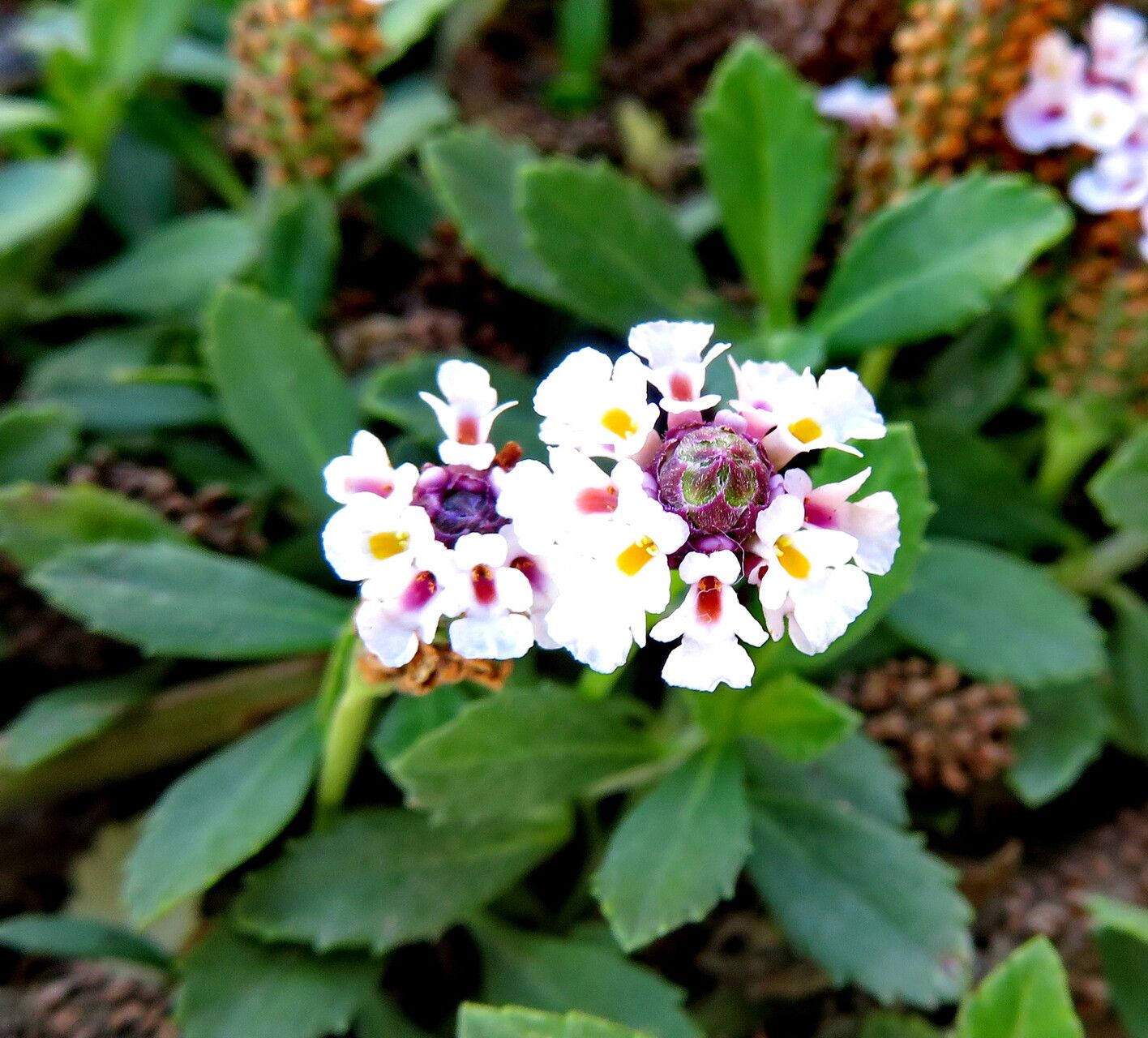
Oh, hello there! Come on in, pull up a chair. I’ve got a steaming mug of something herbal for you. Today, we’re going to chat about one of my absolute garden gems: Phyla nodiflora, also known as Frog Fruit or Lippia.
Why You’ll Love Propagating Frog Fruit
Honestly, Phyla nodiflora is just a delight. Its low-growing habit, charming little white and pink flowers that just buzz with pollinators, and its ability to handle a bit of neglect make it a fantastic groundcover. And the best part? It’s incredibly easy to multiply! If you’re new to the gardening world, or just looking for a low-stress propagation project, this is your plant. You’ll go from one happy little patch to several in no time. It’s incredibly rewarding, let me tell you.
The Best Time to Start
For the absolute highest success rate with Phyla nodiflora, I always aim for late spring to early summer. This is when the plant is in its most vigorous growth phase. The days are getting longer and warmer, providing the energy your cuttings need to root. You can certainly try later in the season, but the younger growth often has a bit more pep in its step when it’s warmer.
Supplies You’ll Need
Gathering your tools ahead of time makes the whole process so much smoother. Here’s what I usually have handy:
- Sharp pruning shears or scissors: Clean cuts are key to preventing disease.
- A well-draining potting mix: I like a blend of equal parts peat moss or coco coir, perlite, and compost.
- Small pots or seed trays: Whatever you have on hand will work, as long as they have drainage holes.
- Rooting hormone (optional but helpful): This can give your cuttings a little extra boost. I usually opt for a powder.
- Watering can or spray bottle: For gentle hydration.
- Labels: Trust me, you’ll thank yourself later!
Propagation Methods That Work Wonders
Phyla nodiflora is wonderfully versatile, and you can propagate it using a few different methods. My favorites are stem cuttings and division.
Stem Cuttings: My Go-To
This is really the easiest way to get a bunch of new plants.
- Take your cuttings. Look for healthy, non-flowering stems that are about 4-6 inches long. You want growth that’s a bit bendy, not stiff and woody. Using your clean pruning shears, make a cut just below a leaf node (where a leaf attaches to the stem).
- Prepare the cuttings. Gently remove the leaves from the bottom two-thirds of the stem. This prevents them from rotting when buried. If the remaining leaves are very large, I’ll often snip them in half to reduce moisture loss.
- Dip in rooting hormone (optional). If you’re using it, dip the cut end of the stem into the rooting hormone powder, tapping off any excess.
- Plant your cuttings. Fill your small pots with your prepared potting mix. Make a small hole in the center of the soil with a pencil or your finger. Gently insert the cut end of the stem into the hole, firming the soil around it.
- Water gently. Water the soil thoroughly but gently, making sure not to dislodge your cuttings.
Division: For Established Patches
If you have a larger, established patch of Phyla nodiflora that is healthy, you can also divide it.
- Gently dig up the plant. Carefully loosen the soil around the edges of the clump with a trowel or spade. Lift the entire plant out of the ground.
- Separate the roots. Tease apart the root ball with your hands. You want to divide it into smaller sections, each with a good amount of roots and at least a few stems. Sometimes, if the clump is very dense, you might need to use a clean knife or even your trowel to cut through thicker roots.
- Replant immediately. Plant the divided sections back into the ground or into separate pots filled with your potting mix.
- Water well. Give them a good soak to help them settle in.
The “Secret Sauce” (Pro Tips)
Over the years, I’ve picked up a few little tricks that seem to make all the difference.
- Let them air out. After I take my stem cuttings, I often leave them on a dry surface for an hour or two before planting. This helps the cut end callus over a bit, which can reduce the risk of rot.
- Humidity is your friend. Your cuttings need a humid environment to encourage root development. I like to cover my pots with a clear plastic bag, propped up with stakes so the leaves don’t touch the plastic. This creates a mini-greenhouse effect. Just be sure to open it daily for a few minutes to allow for air circulation and prevent mold.
- Gentle bottom warmth. If you have a propagation mat or can place your pots on a sunny windowsill that gets a bit of gentle warmth from below, it can really speed up root formation. Don’t go crazy hot, just a nice, cozy temperature.
Aftercare & Troubleshooting
Once your cuttings have started to grow and you see new leaves emerging, that’s a good sign they’re rooting!
- Continue to keep them consistently moist, but not soggy. Overwatering is the quickest way to invite rot. When the top inch of soil feels dry, it’s time to water.
- Gradually acclimatize. Once they have a good root system (you can gently tug on a stem to feel resistance), you can start to remove the plastic cover if you used one, a little at a time, to let them get used to drier air.
- Transplant when ready. When your new plants are robust and have a decent root system, you can transplant them into their final locations, either in the garden or larger pots.
If you notice your cuttings wilting and turning yellow, it’s usually a sign they’re not getting enough moisture or they’re sitting in too much direct sun too soon. If you see a slimy, mushy stem or leaves, that’s rot, and unfortunately, that cutting is likely a goner. Pull it out to prevent it from spreading. Don’t be discouraged if a few don’t make it. Gardening is all about learning from what works and what doesn’t!
Happy Growing!
So there you have it – a simple guide to bringing more of this lovely Phyla nodiflora into your garden. Be patient with yourself and the process. Enjoy the quiet satisfaction of nurture and growth. Happy propagating!
Resource:
https://identify.plantnet.org/k-world-flora/species/Phyla%20nodiflora%20(L.)%20Greene/data